
EsperanAa Bielsa – författare
790 kr
Läs direkt efter köp
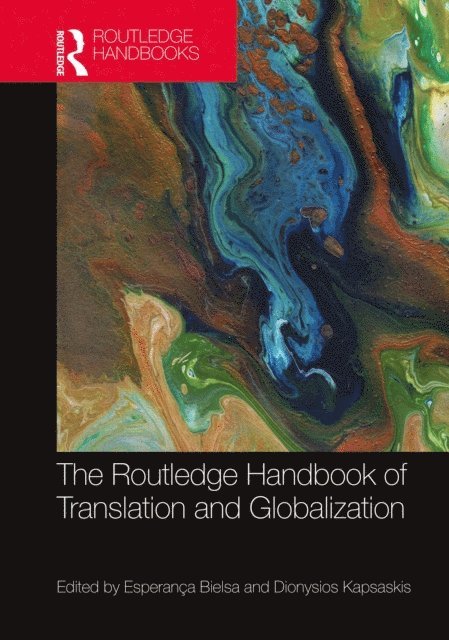
This is the first handbook to provide a comprehensive coverage of the main approaches that theorize translation and globalization, offering a wide-ranging selection of chapters dealing with substantive areas of research. The handbook investigates the many ways in which translation both enables globalization and is inevitably transformed by it.
Taking a genuinely interdisciplinary approach, the authors are leading researchers drawn from the social sciences, as well as from translation studies. The chapters cover major areas of current interdisciplinary interest, including climate change, migration, borders, democracy and human rights, as well as key topics in the discipline of translation studies. This handbook also highlights the increasing significance of translation in the most pressing social, economic and political issues of our time, while accounting for the new technologies and practices that are currently deployed to cope with growing translation demands.
With five sections covering key concepts, people, culture, economics and politics, and a substantial introduction and conclusion, this handbook is an indispensable resource for students and researchers of translation and globalization within translation and interpreting studies, comparative literature, sociology, global studies, cultural studies and related areas.
790 kr
Läs direkt efter köp
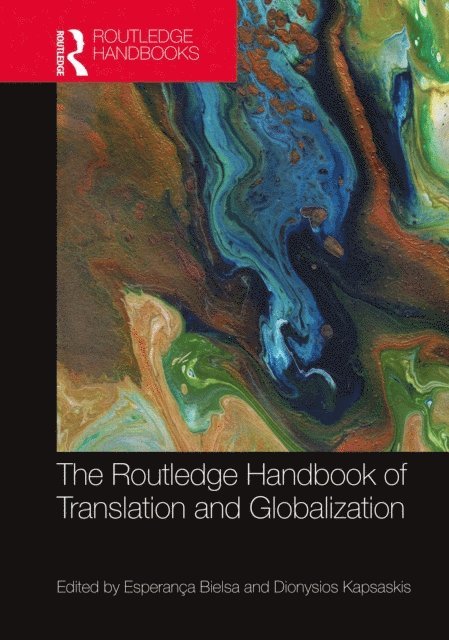
This is the first handbook to provide a comprehensive coverage of the main approaches that theorize translation and globalization, offering a wide-ranging selection of chapters dealing with substantive areas of research. The handbook investigates the many ways in which translation both enables globalization and is inevitably transformed by it.
Taking a genuinely interdisciplinary approach, the authors are leading researchers drawn from the social sciences, as well as from translation studies. The chapters cover major areas of current interdisciplinary interest, including climate change, migration, borders, democracy and human rights, as well as key topics in the discipline of translation studies. This handbook also highlights the increasing significance of translation in the most pressing social, economic and political issues of our time, while accounting for the new technologies and practices that are currently deployed to cope with growing translation demands.
With five sections covering key concepts, people, culture, economics and politics, and a substantial introduction and conclusion, this handbook is an indispensable resource for students and researchers of translation and globalization within translation and interpreting studies, comparative literature, sociology, global studies, cultural studies and related areas.
807 kr
Läs direkt efter köp
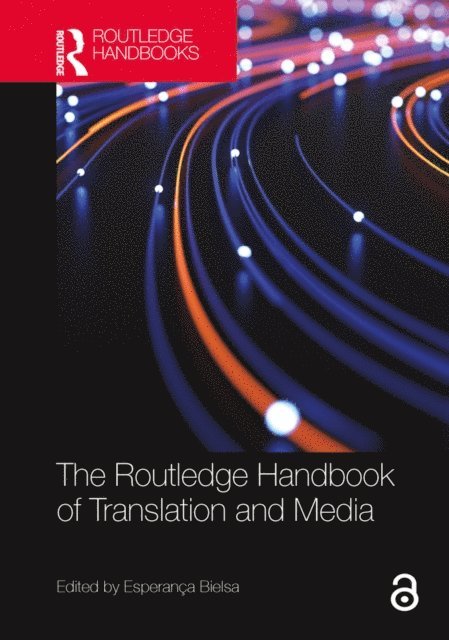
The Routledge Handbook of Translation and Media provides the first comprehensive account of the role of translation in the media, which has become a thriving area of research in recent decades. It offers theoretical and methodological perspectives on translation and media in the digital age, as well as analyses of a wide diversity of media contexts and translation forms.
Divided into four parts with an editor introduction, the 33 chapters are written by leading international experts and provide a critical survey of each area with suggestions for further reading. The Handbook aims to showcase innovative approaches and developments, bridging the gap between currently separate disciplinary subfields and pointing to potential synergies and broad research topics and issues.
With a broad-ranging, critical and interdisciplinary perspective, this Handbook is an indispensable resource for all students and researchers of translation studies, audiovisual translation, journalism studies, film studies and media studies.
The Open Access version of Chapter 1, available at http://www.taylorfrancis.com, has been made available under a Creative Commons (CC-BY-NC-ND) license.
807 kr
Läs direkt efter köp
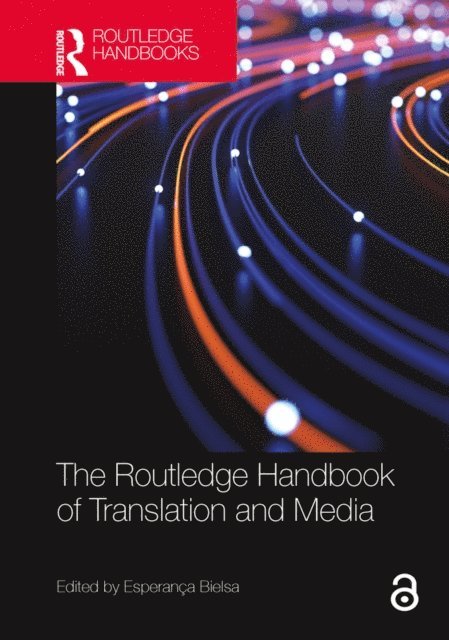
The Routledge Handbook of Translation and Media provides the first comprehensive account of the role of translation in the media, which has become a thriving area of research in recent decades. It offers theoretical and methodological perspectives on translation and media in the digital age, as well as analyses of a wide diversity of media contexts and translation forms.
Divided into four parts with an editor introduction, the 33 chapters are written by leading international experts and provide a critical survey of each area with suggestions for further reading. The Handbook aims to showcase innovative approaches and developments, bridging the gap between currently separate disciplinary subfields and pointing to potential synergies and broad research topics and issues.
With a broad-ranging, critical and interdisciplinary perspective, this Handbook is an indispensable resource for all students and researchers of translation studies, audiovisual translation, journalism studies, film studies and media studies.
The Open Access version of Chapter 1, available at http://www.taylorfrancis.com, has been made available under a Creative Commons (CC-BY-NC-ND) license.
774 kr
Läs direkt efter köp
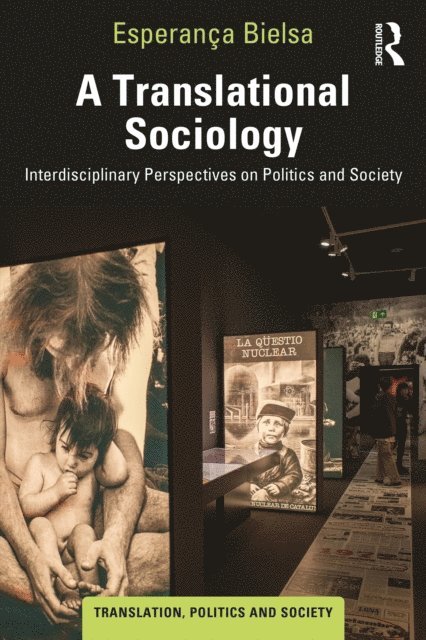
A Translational Sociology provides an interdisciplinary investigation of the key role of translation in society. There is a growing recognition of translation’s intervention in the intellectual history of sociology, in the international reception of social theory, and in approaches to the global literary and academic fields. This book brings attention to aspects of translation that have remained more elusive to sociological interpretation and analysis, investigating translation’s ubiquitous presence in the everyday lives of ordinary people in increasingly multilingual societies and its key intervention in mediating politics within and beyond the nation.
In order to challenge a reductive view of translation as a relatively straightforward process of word substitution that is still prevalent in the social sciences, this book proposes and develops a broader definition of translation as a social relation across linguistic difference, a process of transformation that leaves neither its agent nor its object unchanged. The book offers elaborations of the social, cultural and political implications of such an approach, as a broad focus on these various perspectives and their interrelations is needed for a fuller understanding of translation’s significance in the contemporary world.
This is key reading for advanced students and researchers of translation studies, social theory, cultural sociology and political sociology.
774 kr
Läs direkt efter köp
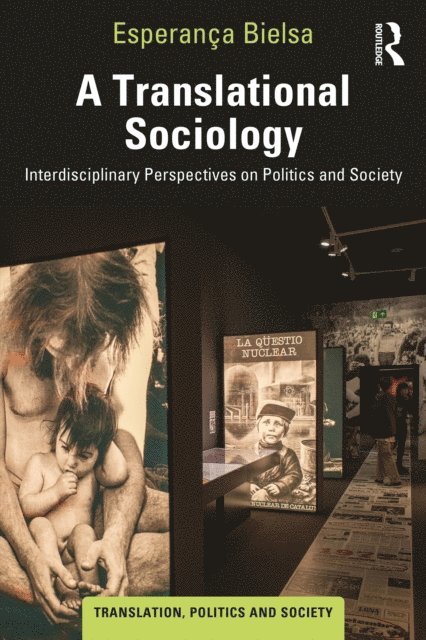
A Translational Sociology provides an interdisciplinary investigation of the key role of translation in society. There is a growing recognition of translation’s intervention in the intellectual history of sociology, in the international reception of social theory, and in approaches to the global literary and academic fields. This book brings attention to aspects of translation that have remained more elusive to sociological interpretation and analysis, investigating translation’s ubiquitous presence in the everyday lives of ordinary people in increasingly multilingual societies and its key intervention in mediating politics within and beyond the nation.
In order to challenge a reductive view of translation as a relatively straightforward process of word substitution that is still prevalent in the social sciences, this book proposes and develops a broader definition of translation as a social relation across linguistic difference, a process of transformation that leaves neither its agent nor its object unchanged. The book offers elaborations of the social, cultural and political implications of such an approach, as a broad focus on these various perspectives and their interrelations is needed for a fuller understanding of translation’s significance in the contemporary world.
This is key reading for advanced students and researchers of translation studies, social theory, cultural sociology and political sociology.