Estelle Strazdins – författare
Visar alla böcker från författaren Estelle Strazdins. Handla med fri frakt och snabb leverans.
4 produkter
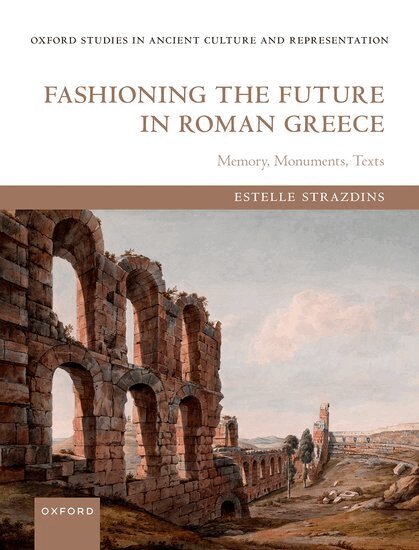
Fashioning the Future in Roman Greece
Memory, Monuments, Texts
Inbunden, 2023
2099 kr
Lägg i varukorg
Fashioning the Future in Roman Greece: Memory, Monuments, Texts uses literature, inscriptions, art, and architecture to explore the relationship of elite Greeks of the Roman imperial period to time. This wide-ranging work challenges conventional thinking about the temporal positioning of imperial …
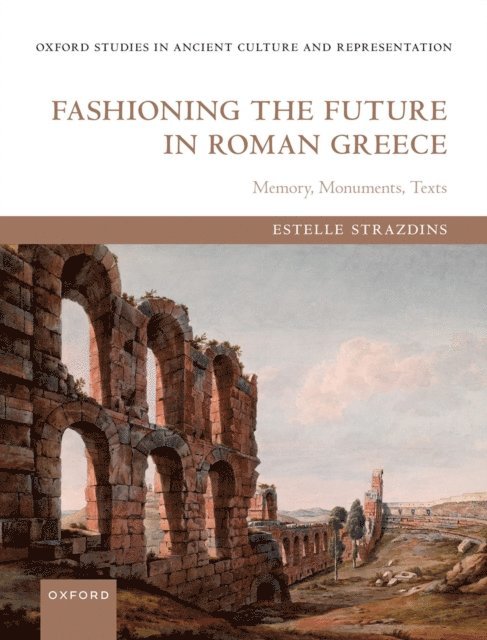
Fashioning the Future in Roman Greece
Memory, Monuments, Texts
E-bok, 2023
1876 kr
Lägg i varukorg
Fashioning the Future in Roman Greece: Memory, Monuments, Texts uses literature, inscriptions, art, and architecture to explore the relationship of elite Greeks of the Roman imperial period to time. This wide-ranging work challenges conventional thinking about the temporal positioning of imperial …
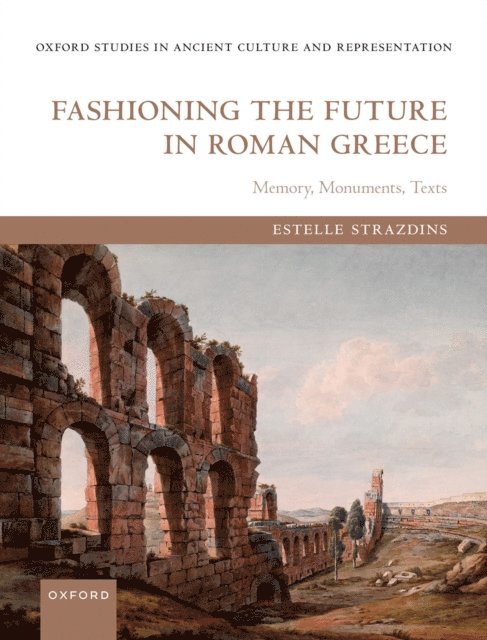
Fashioning the Future in Roman Greece
Memory, Monuments, Texts
E-bok, 2023
1876 kr
Lägg i varukorg
Fashioning the Future in Roman Greece: Memory, Monuments, Texts uses literature, inscriptions, art, and architecture to explore the relationship of elite Greeks of the Roman imperial period to time. This wide-ranging work challenges conventional thinking about the temporal positioning of imperial …
Greek Worship of the Gods
Av Friedrich Nietzsche, Peter Durno Murray m. fl.
Inbunden, 2025
1519 kr
Lägg i varukorg
Nietzsche’s lectures notes entitled On the Greek Worship of the Gods contain a detailed treatment of Greek religious life including classical studies, architectural descriptions and theological discussions. In addition, the notes form the basis of Nietzsche’s later published writings on the Greeks …