Euphrosyne Doxiadis – författare
Visar alla böcker från författaren Euphrosyne Doxiadis. Handla med fri frakt och snabb leverans.
3 produkter
3 produkter
383 kr
Skickas inom 5-8 vardagar
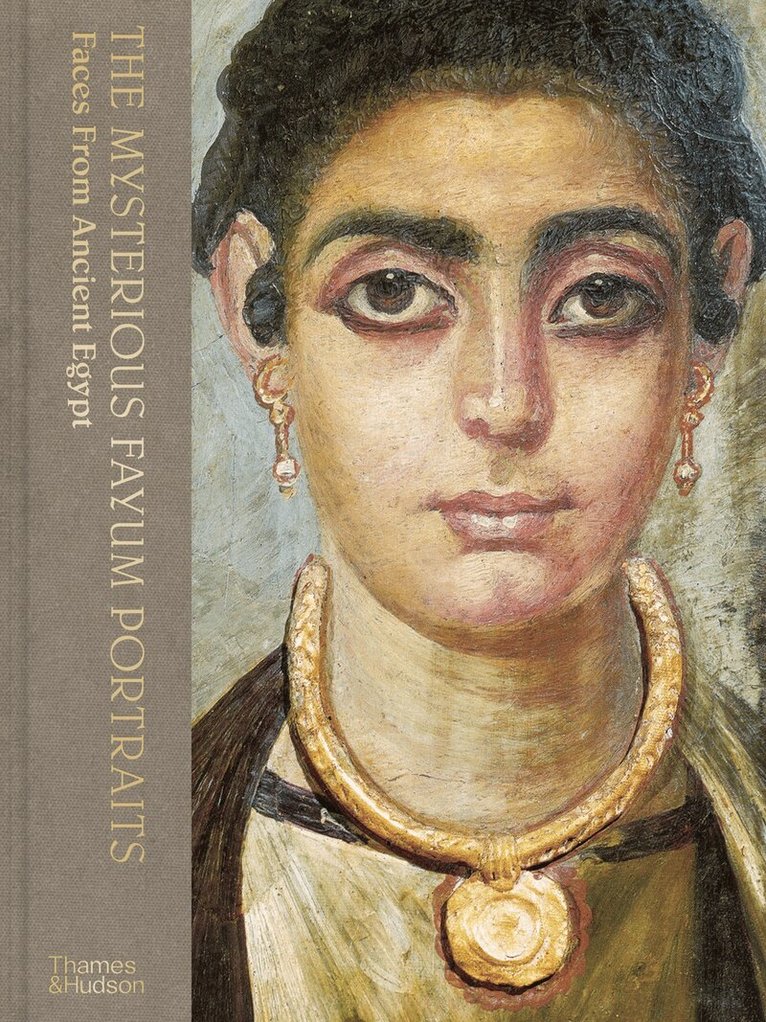
A compact edition of this highly acclaimed survey of the Fayum paintings, the enigmatic and compelling funeral portraits created by the inhabitants of Roman Egypt in the 1st century CE. These remarkable paintings take their name from a district of Roman Egypt, whose people in the first three centuries AD included Greeks, Egyptians, Romans, Syrians, Libyans, Nubians and Jews. In the Egyptian tradition, they embalmed the bodies of their dead; but then placed a painted portrait over the mummy, preserving the memory of each individual to an uncanny degree. Over 1000 have so far been discovered – men, women and children of all ages. Illustrating almost 200 of the portraits, Euphrosyne Doxiadis’s book combines arresting beauty with up-to-date scholarship. Having selected the best and most interesting, she has grouped them according to the places where they were found. Many new photographs were commissioned and some are shown since cleaning. Doxiadis’s text sets the people and the paintings in their social, artistic and geographical context, describing the techniques used and showing how the Fayum portraits relate to Byzantine icon painting, in a tradition that extends from ancient Greece to the Renaissance and on to the present day.
501 kr
Skickas inom 5-8 vardagar
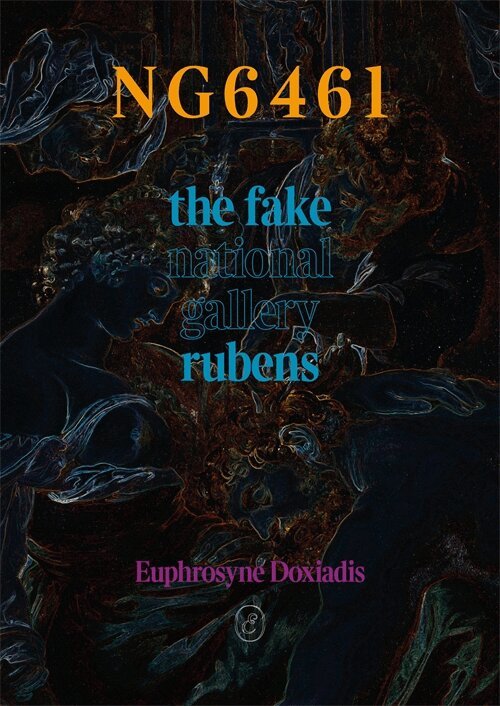
In July 1980 London’s National Gallery paid a record sum for a canvas that purported to be Peter Paul Rubens’s Samson and Delilah (1609). But as the artist and art historian Euphrosyne Doxiadis has long maintained, the painting is not the work of Rubens at all, but rather a copy of his original. Notwithstanding the formidable body of historical and stylistic evidence that supports Doxiadis’s assessment, the National Gallery has not only continued to defend its attribution of the canvas to Rubens, but it has also refused to allow a thorough, independent analysis of the painting’s material structure.In NG6461: The Fake Rubens, Doxiadis gives a riveting account of her own investigations, and of her efforts—often in the face of hostility and ridicule—to convince the British art establishment of the truth about Samson and Delilah. But the implications of this case extend well beyond the authorship of a single painting. At a time when major galleries in continental Europe and the United States are opening themselves up to innovative research methods and to a broader spirit of open-minded enquiry, some of the most influential figures in Britain’s cultural life are insulating themselves from these trends—very often prioritising face-saving and the maintenance of opaque social networks over the legitimate interests of the art-loving, and tax-paying, public. NG6461: Copy in the Manner of Peter Paul Rubens is an unforgettable account of what has gone wrong in the art world.
221 kr
Skickas inom 5-8 vardagar
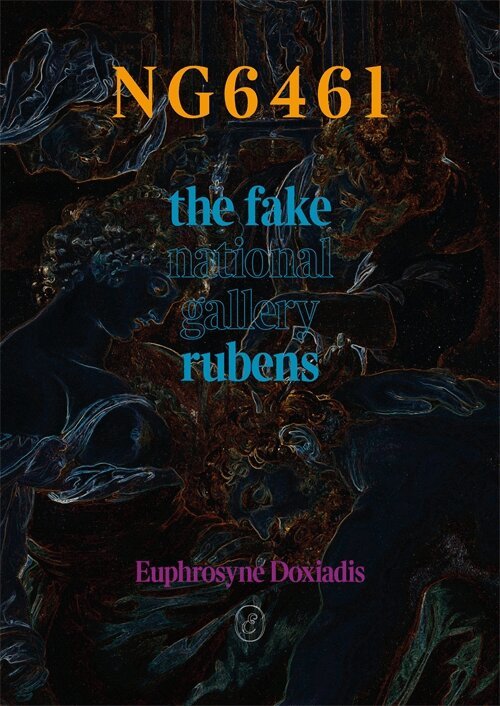
In July 1980 London’s National Gallery paid a record sum for a canvas that purported to be Peter Paul Rubens’s Samson and Delilah (1609). But as the artist and art historian Euphrosyne Doxiadis has long maintained, the painting is not the work of Rubens at all, but rather a copy of his original. Notwithstanding the formidable body of historical and stylistic evidence that supports Doxiadis’s assessment, the National Gallery has not only continued to defend its attribution of the canvas to Rubens, but it has also refused to allow a thorough, independent analysis of the painting’s material structure.In NG6461: The Fake Rubens, Doxiadis gives a riveting account of her own investigations, and of her efforts—often in the face of hostility and ridicule—to convince the British art establishment of the truth about Samson and Delilah. But the implications of this case extend well beyond the authorship of a single painting. At a time when major galleries in continental Europe and the United States are opening themselves up to innovative research methods and to a broader spirit of open-minded enquiry, some of the most influential figures in Britain’s cultural life are insulating themselves from these trends—very often prioritising face-saving and the maintenance of opaque social networks over the legitimate interests of the art-loving, and tax-paying, public. NG6461: Copy in the Manner of Peter Paul Rubens is an unforgettable account of what has gone wrong in the art world.