Eva Crane – författare
Visar alla böcker från författaren Eva Crane. Handla med fri frakt och snabb leverans.
7 produkter
7 produkter
Inbunden, Engelska, 1999
3 406 kr
Skickas inom 10-15 vardagar
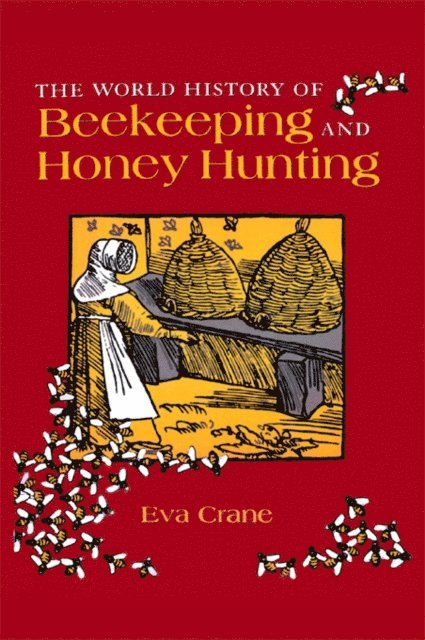
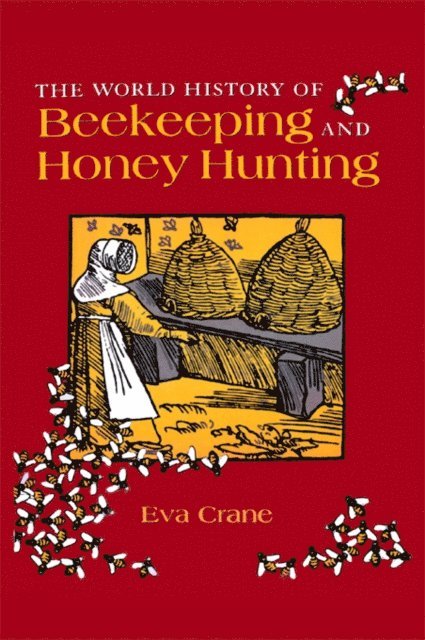
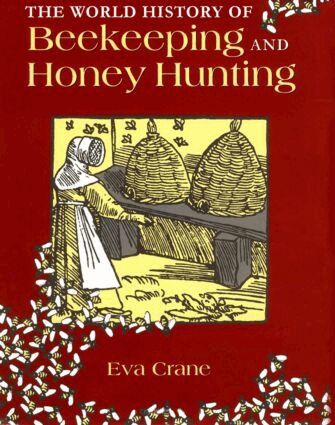
First published in 2000. This comprehensive book represents the first attempt to write a world history of people's use of social bees: how bees' nests were initially hunted for their honey and wax and, later, how the bees were kept in purpose-made hives. Evidence survives from early times in the form of artefacts, pictures and written records, and also human traditions of dealing with bees. Since 1949 the author has had opportunities to travel in over sixty countries, and to see traditional and modern hive beekeeping and also honey collection from nests. She learned much that helped her to piece together some of the long history in the different continents.

Häftad, Engelska, 2018
172 kr
Skickas inom 5-8 vardagar
Häftad, Engelska, 2019
429 kr
Skickas inom 5-8 vardagar
Inbunden, Engelska, 2020
1 397 kr
Skickas inom 3-6 vardagar
Häftad, Engelska, 2020
1 098 kr
Skickas inom 3-6 vardagar
E-bok
Engelska, 19993 809 kr
Läs direkt efter köp
First published in 2000. This comprehensive book represents the first attempt to write a world history of people''s use of social bees: how bees'' nests were initially hunted for their honey and wax and, later, how the bees were kept in purpose-made hives. Evidence survives from early times in the form of artefacts, pictures and written records, and also human traditions of dealing with bees. Since 1949 the author has had opportunities to travel in over sixty countries, and to see traditional and modern hive beekeeping and also honey collection from nests. She learned much that helped her to piece together some of the long history in the different continents.

E-bok
PDF, Engelska, 19993 809 kr
Läs direkt efter köp
First published in 2000. This comprehensive book represents the first attempt to write a world history of people''s use of social bees: how bees'' nests were initially hunted for their honey and wax and, later, how the bees were kept in purpose-made hives. Evidence survives from early times in the form of artefacts, pictures and written records, and also human traditions of dealing with bees. Since 1949 the author has had opportunities to travel in over sixty countries, and to see traditional and modern hive beekeeping and also honey collection from nests. She learned much that helped her to piece together some of the long history in the different continents.