Evgenij N. Chernykh – författare
Visar alla böcker från författaren Evgenij N. Chernykh. Handla med fri frakt och snabb leverans.
6 produkter
6 produkter
Inbunden, Engelska, 2017
2 814 kr
Skickas inom 5-8 vardagar
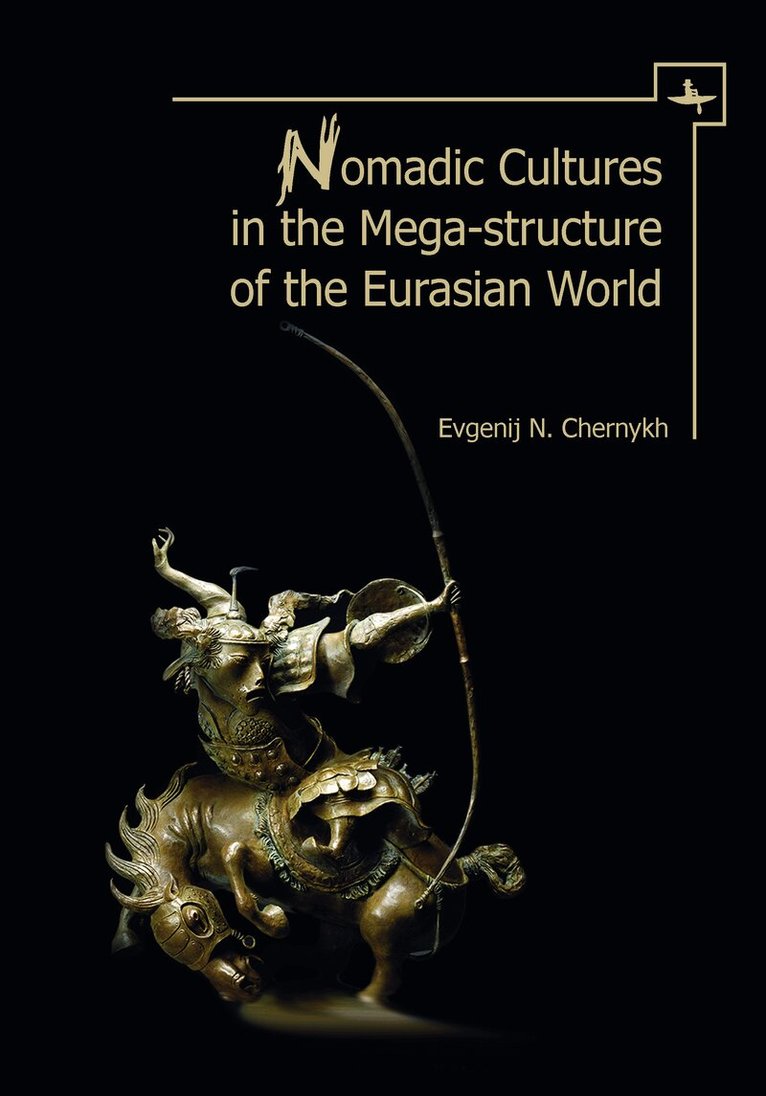
Two major dividing lines have formed the megastructure of Eurasia, determining the historical epochs of the continent’s peoples. The first, vertical (longitudinal) line has separated East and West since the Paleolithic Age. The East was dominated by Mongol peoples speaking Sino -Tibetan, Manchu-Tungus, and Altaic languages. The Caucasoid peoples of the West spoke mostly Indo-European, Semite, and Finno-Ugric languages. The second line divided the continent horizontally (by latitude) into North and South. This division was closely connected with the Eurasian Steppe Belt. To the north of it lay the world of hunter-gatherers and fishermen. To the south, settled agriculture was dominant. The Steppe Belt itself was the domain of pastoralists, the nomadic and semi-nomadic herders. These lines converged at the entrance to the Great Silk Road. With the swift development of horse domestication and horseback riding, the nomads moved—from the Early Metal Age (500–400 BCE) to Genghis Khan's and the Genghisid’s Great Empire (1200–1400 CE)—to the forefront of Eurasian history as their world became increasingly involved in dramatic and sometimes tragic relationships with their southern neighbors. This book focuses on the tangle of problems in these nomadic peoples’ history.
E-bok
PDF, Engelska, 20174 328 kr
Läs direkt efter köp
Two major dividing lines have formed the megastructure of Eurasia, determining the historical epochs of the continent’s peoples. The first, vertical (longitudinal) line has separated East and West since the Paleolithic Age. The East was dominated by Mongol peoples speaking Sino -Tibetan, Manchu-Tungus, and Altaic languages. The Caucasoid peoples of the West spoke mostly Indo-European, Semite, and Finno-Ugric languages. The second line divided the continent horizontally (by latitude) into North and South. This division was closely connected with the Eurasian Steppe Belt. To the north of it lay the world of hunter-gatherers and fishermen. To the south, settled agriculture was dominant. The Steppe Belt itself was the domain of pastoralists, the nomadic and semi-nomadic herders. These lines converged at the entrance to the Great Silk Road. With the swift development of horse domestication and horseback riding, the nomads moved—from the Early Metal Age (500–400 BCE) to Genghis Khan''s and the Genghisid’s Great Empire (1200–1400 CE)—to the forefront of Eurasian history as their world became increasingly involved in dramatic and sometimes tragic relationships with their southern neighbors. This book focuses on the tangle of problems in these nomadic peoples’ history.
Häftad, Engelska, 2021
854 kr
Skickas
Two major dividing lines have formed the megastructure of Eurasia, determining the historical epochs of the continent’s peoples. The first, vertical (longitudinal) line has separated East and West since the Paleolithic Age. The East was dominated by Mongol peoples speaking Sino -Tibetan, Manchu-Tungus, and Altaic languages. The Caucasoid peoples of the West spoke mostly Indo-European, Semite, and Finno-Ugric languages. The second line divided the continent horizontally (by latitude) into North and South. This division was closely connected with the Eurasian Steppe Belt. To the north of it lay the world of hunter-gatherers and fishermen. To the south, settled agriculture was dominant. The Steppe Belt itself was the domain of pastoralists, the nomadic and semi-nomadic herders. These lines converged at the entrance to the Great Silk Road. With the swift development of horse domestication and horseback riding, the nomads moved—from the Early Metal Age (500–400 BCE) to Genghis Khan's and the Genghisid’s Great Empire (1200–1400 CE)—to the forefront of Eurasian history as their world became increasingly involved in dramatic and sometimes tragic relationships with their southern neighbors. This book focuses on the tangle of problems in these nomadic peoples’ history.
Inbunden, Engelska, 2025
1 297 kr
Skickas inom 5-8 vardagar
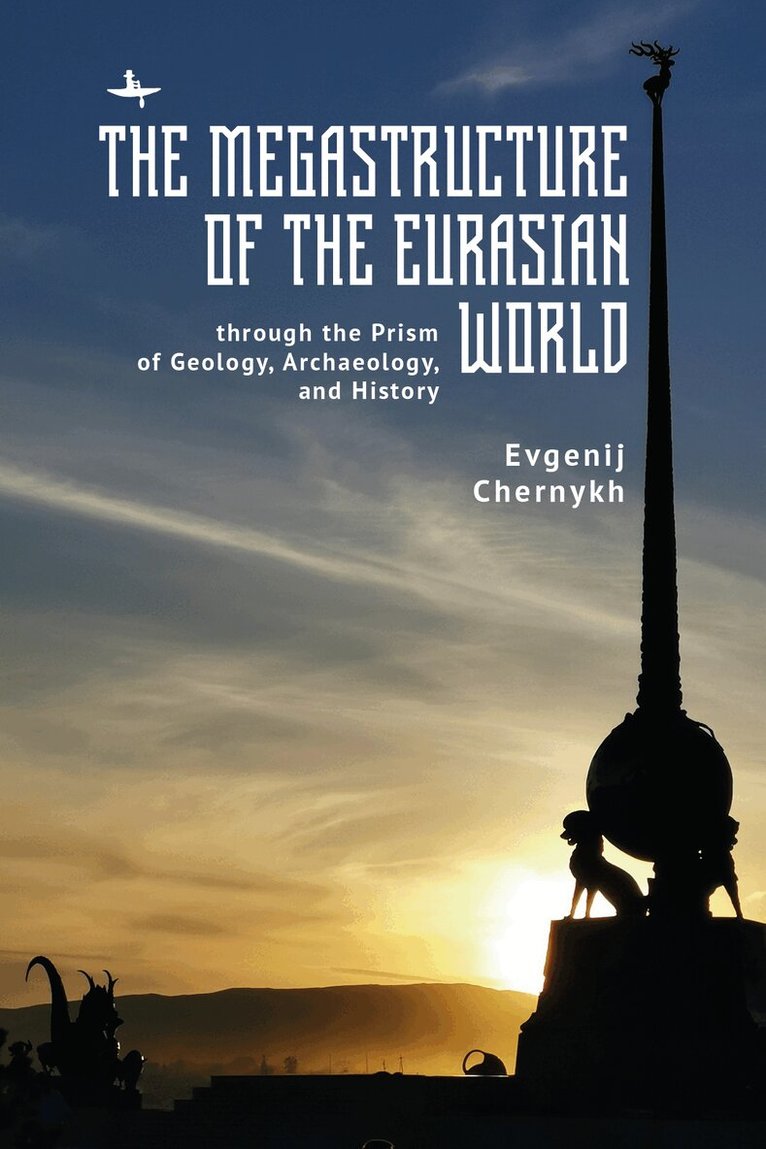
The mysteries of creation—that is, of the Earth’s formation and the emergence of humans—have perplexed humanity for a long time. This book explores the profound transformations of Earth's geological and ecological structures and their lasting impact on human societies. These geocosmic shifts from the Pleistocene to the Holocene have shaped the different regions of Eurasia, influencing the cultural worldviews of their inhabitants as seen through archaeology and history. Originally published in Russian in 2020, this book offers a thought-provoking analysis of the Earth’s evolution and its role in the development of civilizations.
E-bok
PDF, Engelska, 20252 673 kr
Läs direkt efter köp
The mysteries of creationthat is, of the Earths formation and the emergence of humanshave perplexed humanity for a long time. This book explores the profound transformations of Earth's geological and ecological structures and their lasting impact on human societies. These geocosmic shifts from the Pleistocene to the Holocene have shaped the different regions of Eurasia, influencing the cultural worldviews of their inhabitants as seen through archaeology and history. Originally published in Russian in 2020, this book offers a thought-provoking analysis of the Earths evolution and its role in the development of civilizations.
E-bok
Engelska, 20262 673 kr
Läs direkt efter köp
The mysteries of creationthat is, of the Earths formation and the emergence of humanshave perplexed humanity for a long time. This book explores the profound transformations of Earth's geological and ecological structures and their lasting impact on human societies. These geocosmic shifts from the Pleistocene to the Holocene have shaped the different regions of Eurasia, influencing the cultural worldviews of their inhabitants as seen through archaeology and history. Originally published in Russian in 2020, this book offers a thought-provoking analysis of the Earths evolution and its role in the development of civilizations.