F. Ruette – författare
Visar alla böcker från författaren F. Ruette. Handla med fri frakt och snabb leverans.
7 produkter
7 produkter
Inbunden, Engelska, 1992
1 623 kr
Skickas inom 10-15 vardagar
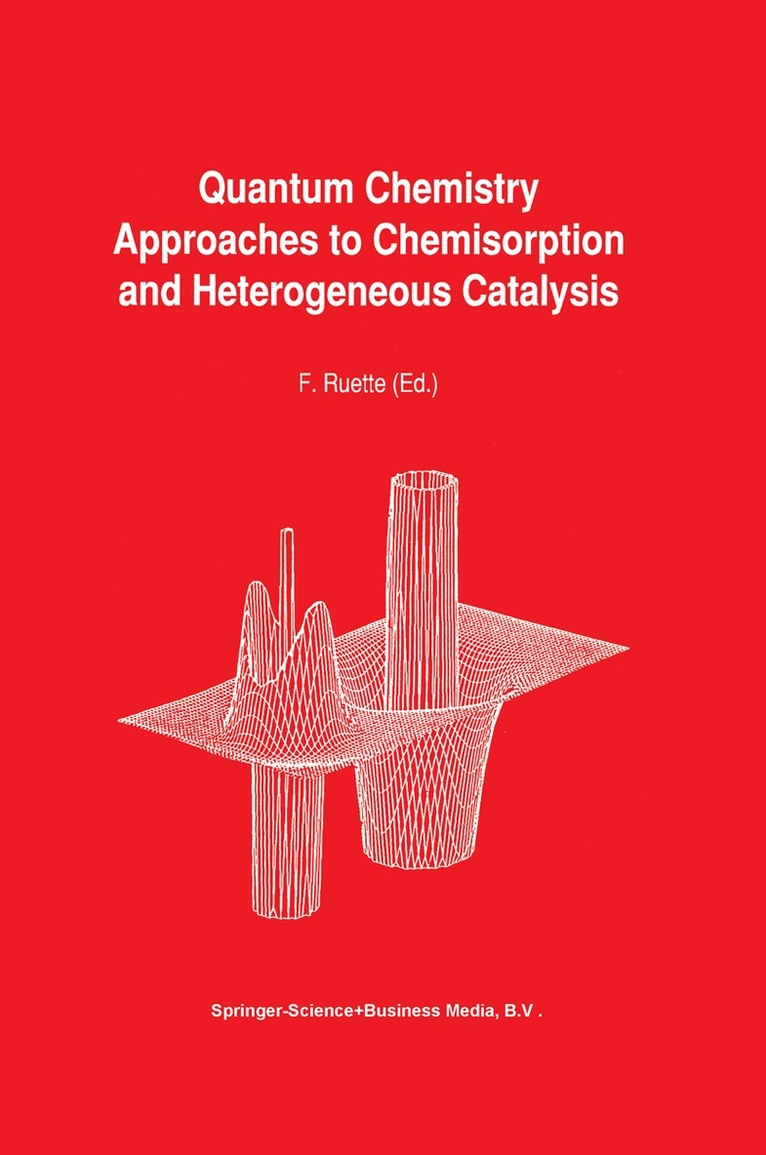
Theoretical developments in the surface physics and chemistry of transition metal compounds can be of paramount importance in catalysis, electronic devices, corrosion etc. In this book, a unified survey of the most important methods in theoretical chemistry applied to reactions and processes that occur on transition metal surfaces is presented together with a discussion of their advantages and limitations. Theoretical modelling of chemisorption, diffusion, desorption, effect of promoters, formation of adsorbed intermediates, surface reconstruction, segregation of impurities etc. are reviewed. This book aims to serve as a source of reference material for researchers as well as a text for graduate students following courses on theoretical and computational chemistry related to catalysis and surface chemistry and physics.

Häftad, Franska, 2018
172 kr
Skickas inom 5-8 vardagar
Häftad, Franska, 2016
144 kr
Skickas inom 5-8 vardagar
Häftad, Franska, 2018
144 kr
Skickas inom 5-8 vardagar
Häftad, Franska, 2018
172 kr
Skickas inom 5-8 vardagar
Häftad, Engelska, 2010
1 616 kr
Skickas inom 10-15 vardagar
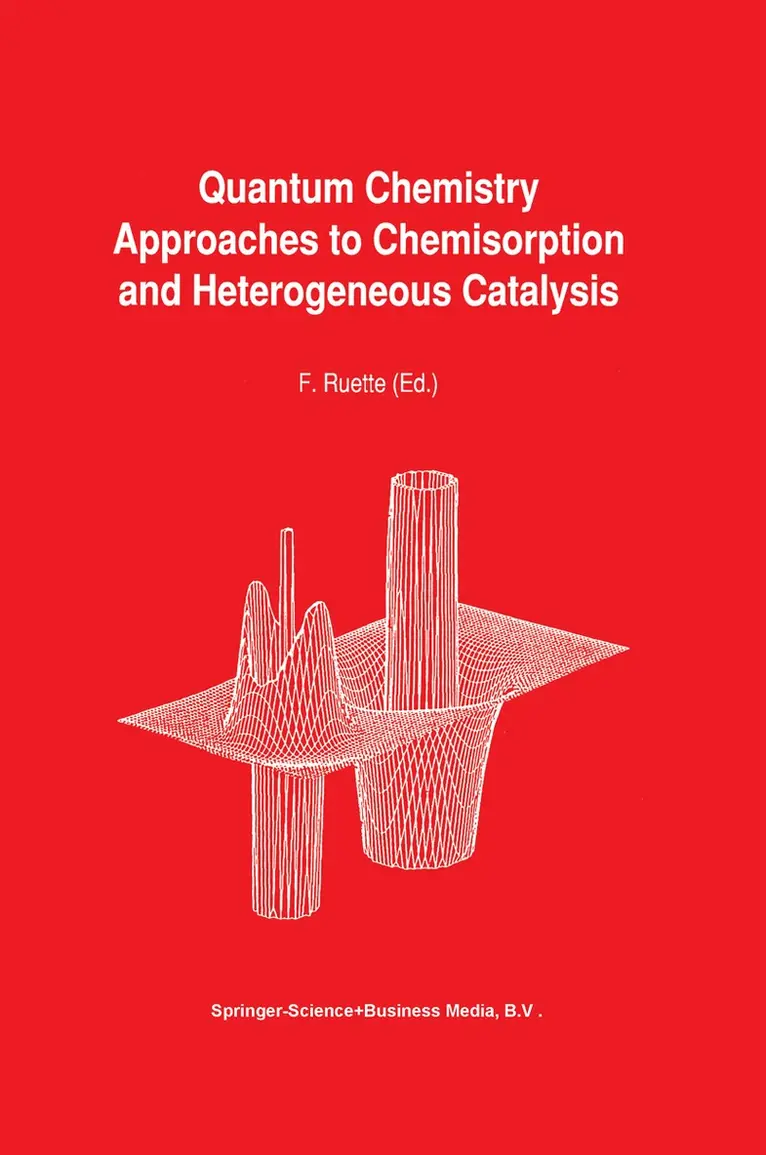
The development of "high-tech" materials in contemporary industries is deeply related to a detailed understanding of specific surface properties of catalysts which make particular reactions possible. But this understanding presupposes that there exists a body of theory capable of explaining situations not easily accessible to experimental methods and of relating experimental findings among themselves and with theoretical constructs. For these reasons, theoretical developments in surface physics and surface chemistry of transition metal compounds have been of paramount importance in promoting progress in catalysis, electronic devices, corrosion, etc. Although a great variety of spectroscopic methods for analyzing solids and surfaces at molecular scale have been introduced in recent years, nevertheless, many questions about the adsorption sites and intermediates, the effect of promoters, the poisoning of active sites, the nature of segregation of impurities, the process of surface reconstruction, the mechanisms of reactions, etc. have remained unanswered simply because of the great complexity of surface phenomena. It is in this sense that quantum mechanical method- combined with experimental data - may shed some light on the microscopic properties of new surface materials.
E-bok
PDF, Engelska, 20132 049 kr
Läs direkt efter köp
The development of "high-tech" materials in contemporary industries is deeply related to a detailed understanding of specific surface properties of catalysts which make particular reactions possible. But this understanding presupposes that there exists a body of theory capable of explaining situations not easily accessible to experimental methods and of relating experimental findings among themselves and with theoretical constructs. For these reasons, theoretical developments in surface physics and surface chemistry of transition metal compounds have been of paramount importance in promoting progress in catalysis, electronic devices, corrosion, etc. Although a great variety of spectroscopic methods for analyzing solids and surfaces at molecular scale have been introduced in recent years, nevertheless, many questions about the adsorption sites and intermediates, the effect of promoters, the poisoning of active sites, the nature of segregation of impurities, the process of surface reconstruction, the mechanisms of reactions, etc. have remained unanswered simply because of the great complexity of surface phenomena. It is in this sense that quantum mechanical method- combined with experimental data - may shed some light on the microscopic properties of new surface materials.