F. Söderbaum – författare
Visar alla böcker från författaren F. Söderbaum. Handla med fri frakt och snabb leverans.
4 produkter
4 produkter
Häftad, Engelska, 2003
1 090 kr
Skickas inom 10-15 vardagar
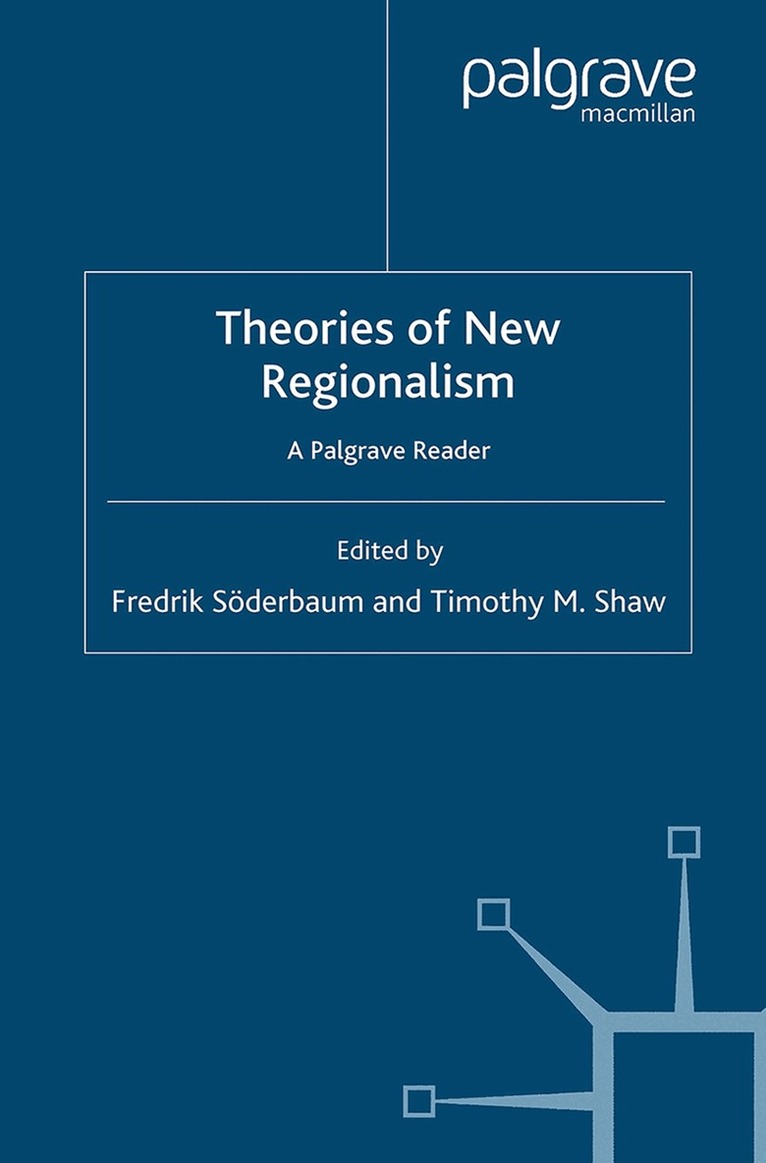
Theories of New Regionalism represents the first systematic attempt to bring together leading theories of new regionalism. Major theorists from around the world develop their own distinctive theoretical perspectives, spanning new regionalism & world order approaches along with regional governance, liberal institutionalism & neoclassical development regionalism, to regional security complex theory (RSCT) and the region-building approach.
Häftad, Engelska, 2004
548 kr
Skickas inom 10-15 vardagar
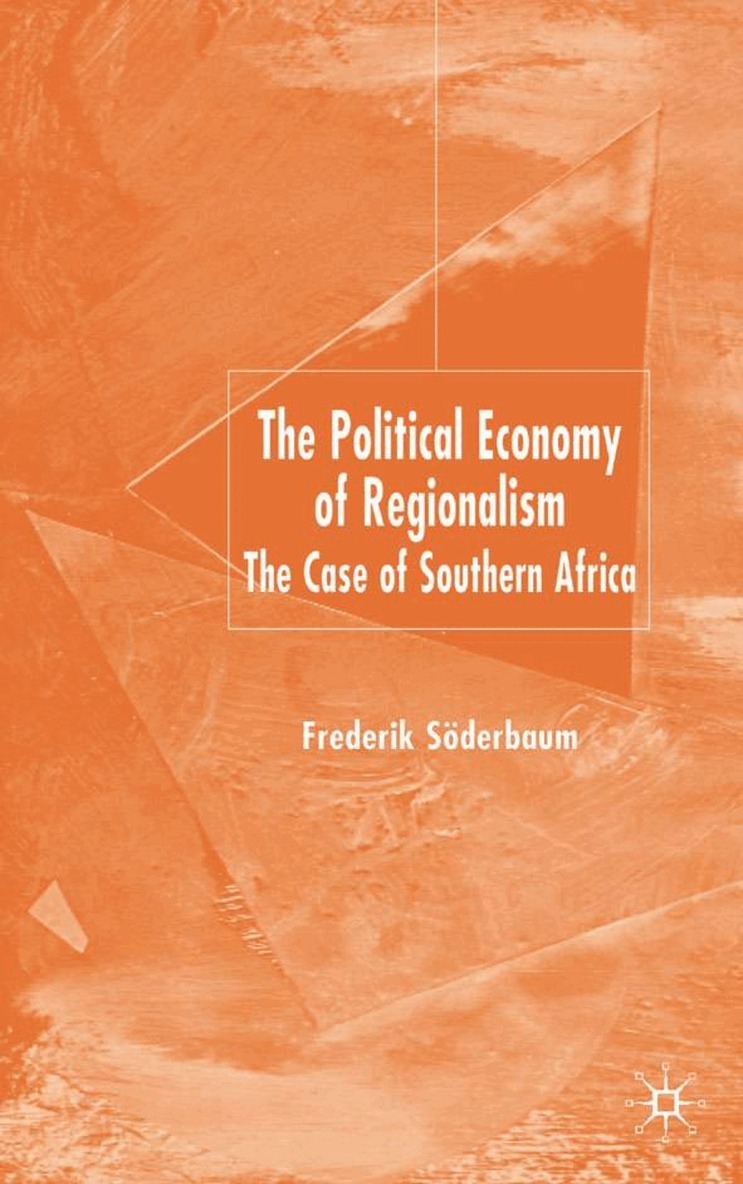
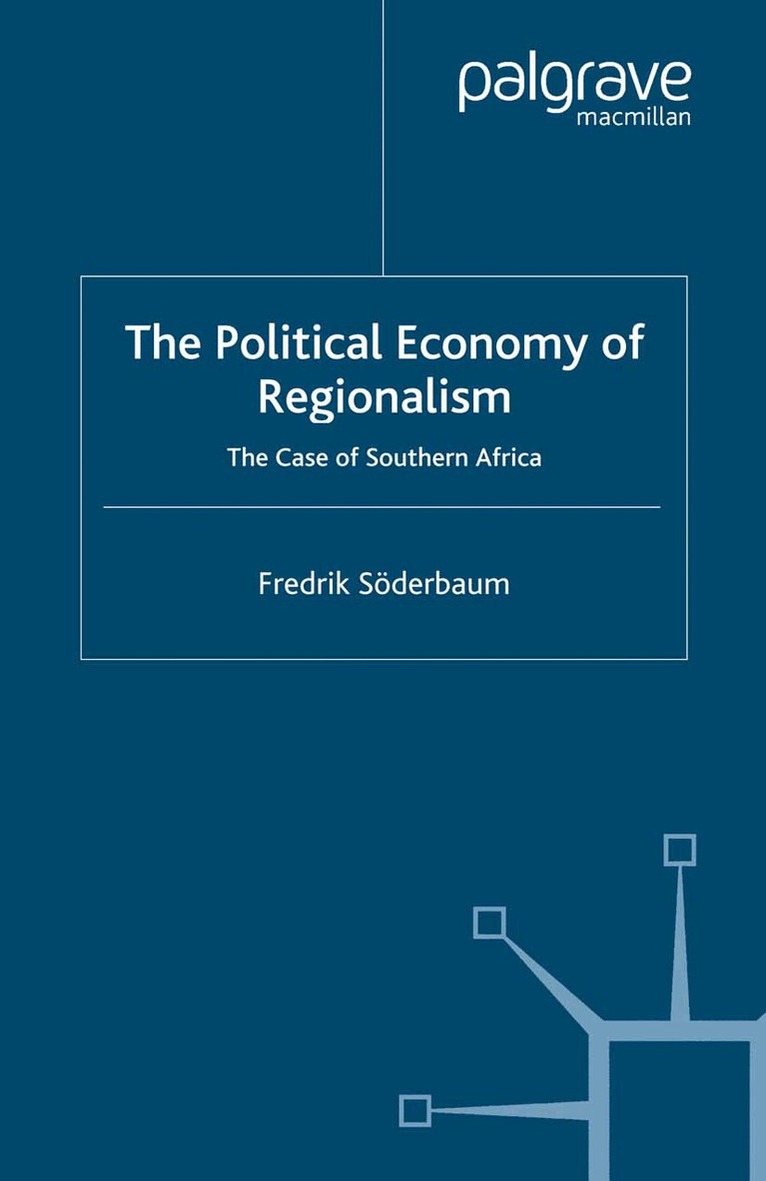
The Political Economy of Regionalism: The Case of Southern Africa challenges prevailing wisdom, showing how ruling political elites and 'big business' join forces with certain external actors in order to promote market integration and economic globalization, boost regimes, and to satisfy group-specific and even personal interests. Only rarely do these forms of regionalism contribute to the poor and disadvantaged, who instead opt out, and survive through informal economic regionalisms or seek to create regionalisms rooted in civil society.
Inbunden, Engelska, 2003
1 409 kr
Skickas inom 5-8 vardagar
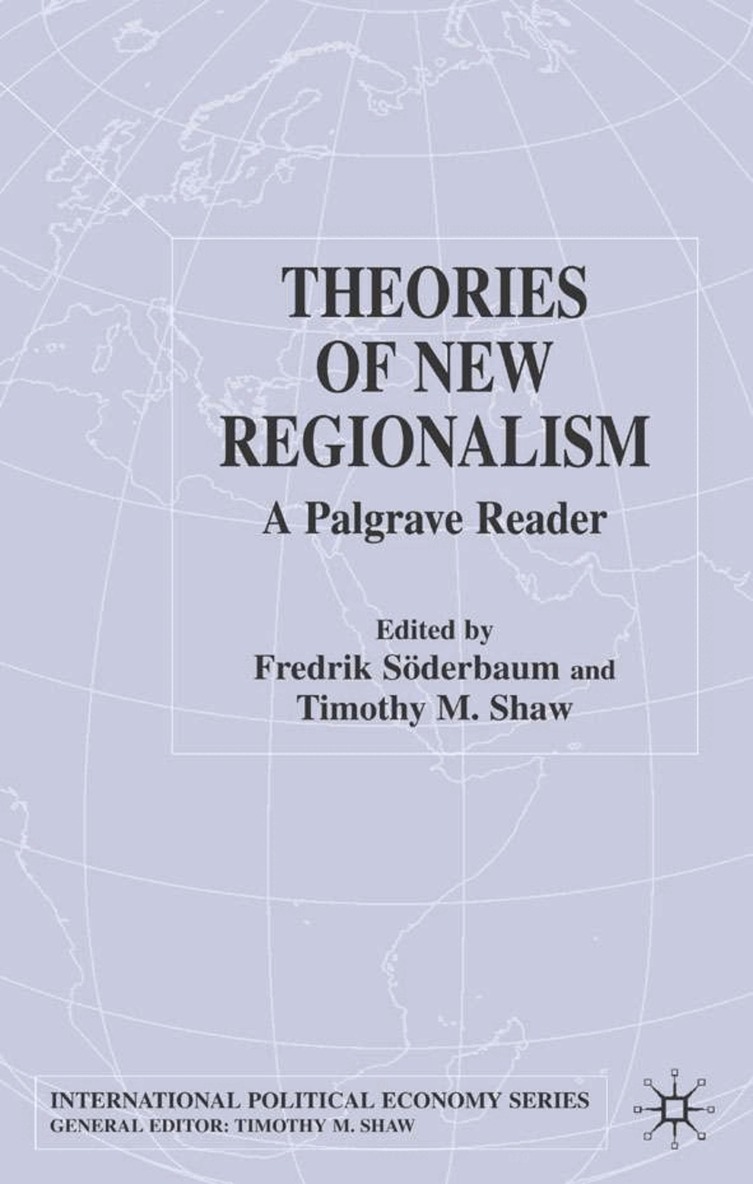
Theories of New Regionalism represents the first systematic attempt to bring together leading theories of new regionalism. Major theorists from around the world develop their own distinctive theoretical perspectives, spanning new regionalism & world order approaches along with regional governance, liberal institutionalism & neoclassical development regionalism, to regional security complex theory (RSCT) and the region-building approach.
Inbunden, Engelska, 2004
565 kr
Skickas inom 10-15 vardagar
The Political Economy of Regionalism: The Case of Southern Africa challenges prevailing wisdom, showing how ruling political elites and 'big business' join forces with certain external actors in order to promote market integration and economic globalization, boost regimes, and to satisfy group-specific and even personal interests. Only rarely do these forms of regionalism contribute to the poor and disadvantaged, who instead opt out, and survive through informal economic regionalisms or seek to create regionalisms rooted in civil society.