Fabio Berton - Böcker
Visar alla böcker från författaren Fabio Berton. Handla med fri frakt och snabb leverans.
2 produkter
2 produkter
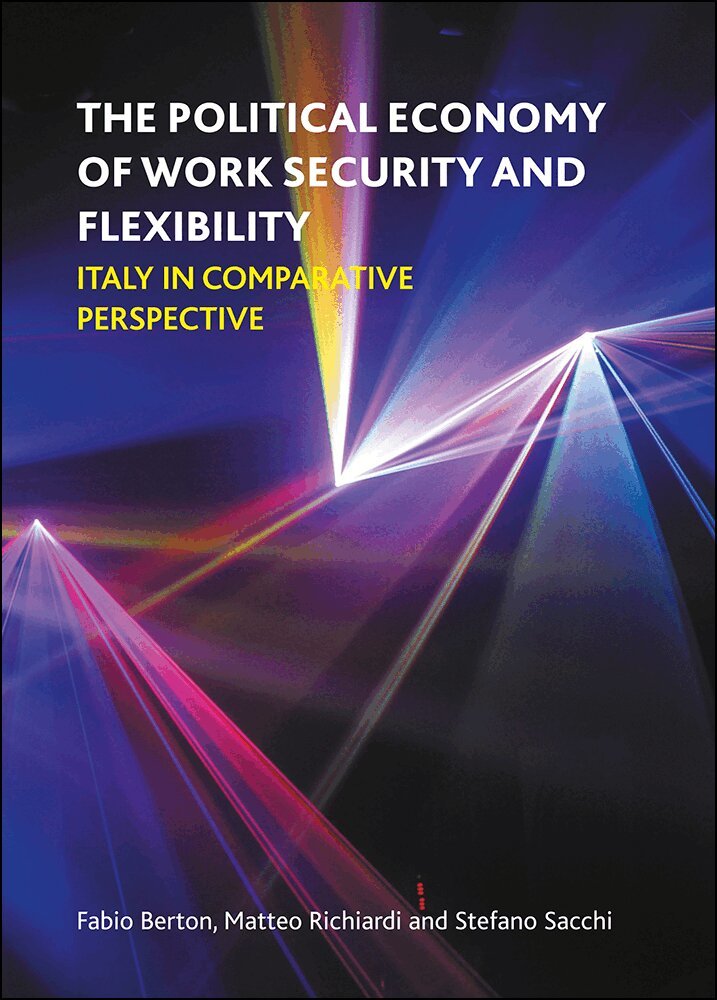
Political Economy of Work Security and Flexibility
Italy in Comparative Perspective
Inbunden, Engelska, 2012
1 191 kr
Skickas inom 7-10 vardagar
The economic crisis has revealed the dark side of deregulation in the labour market: rising unemployment, limited access to social security and, due to low wages, no savings to count upon in bad times. This book casts light on the empirical relationship between labour market deregulation through non-standard contracts and the three main dimensions of worker security: employment, income and social security. Focusing on individual work histories, it looks at how labour market dynamics interact with the social protection system in bringing about inequality and insecurity. In this context Italy is put forward as the epitome of flexibility through non-standard work and compared with three similar countries: Germany, Spain and Japan. Results show that when flexibility is carried out as a mere cost-reduction device and social security only relies on insurance principles, deregulation leads to insecurity. 'The political economy of work security and flexibility' is essential reading for academics, students, practitioners and policy makers interested in the outcomes of labour market developments in advanced economies over the past twenty years.
870 kr
Kommande
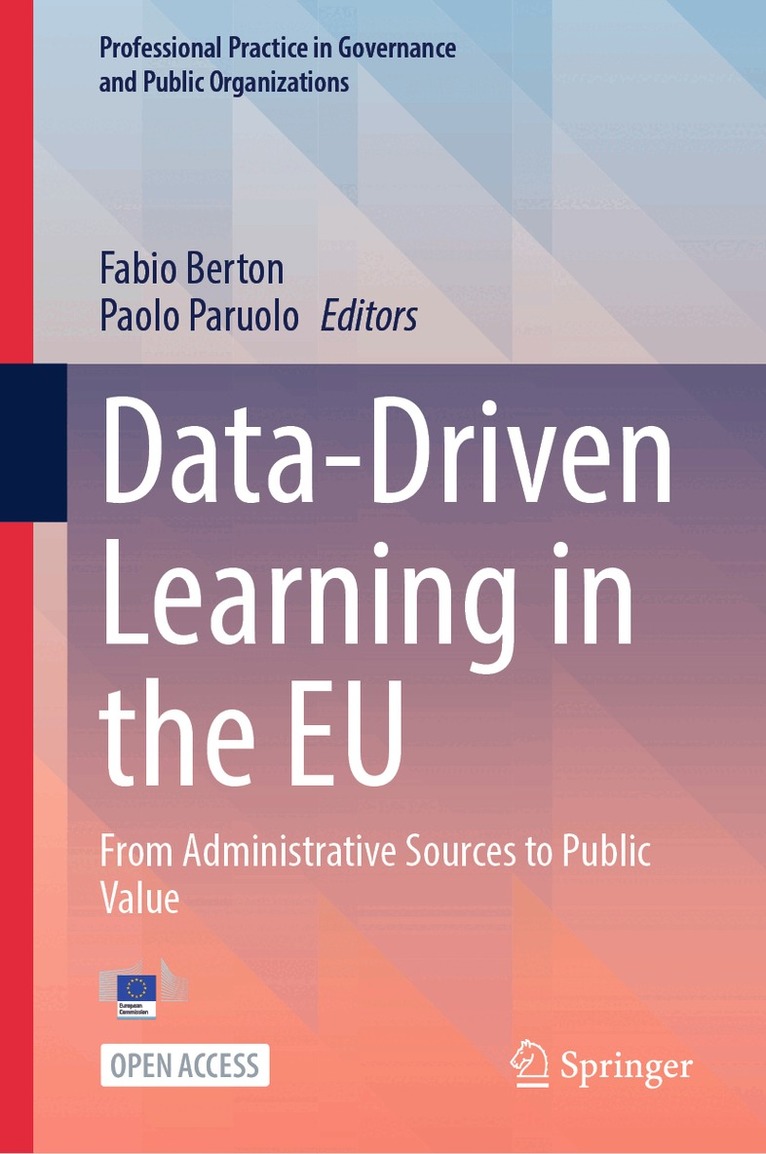
This Open Access book highlights the importance of access to administrative microdata sources. Administrative data presents several advantages: it often covers the entire population, it is almost measurement-error free, its cost of collection, maintenance, and update is covered by its primary use, and it can be linked to other data, including surveys. Many stakeholders would gain from improved access: the research community would raise the quality and quantity of publications; policymakers and citizens would learn whether policies work; firms would benefit from more market transparency; trust in public institutions would improve. Nonetheless, many barriers still exist. Some of them are due to asymmetrical information between institutions and the general public about the benefits of data access. This book aims to lower this gap, with a focus on the European experience.The book is divided into two parts. The first part analyses the experiences in the EU countries from the perspective of data users. The second part highlights the benefits for stakeholders in specific policy areas, providing examples of outcomes for individuals, firms, markets, and the environment. The book lends itself to a three-level reading: first, it provides data users and the research community with a map on how to get access to administrative data in the European Union; second, data-holding institutions can find a host of examples on how to manage and possibly improve data access, with proper safeguards; third, policymakers at both the national and the EU level can identify specific areas of intervention to foster better access to administrative data.