Fabio Lanza - Böcker
Visar alla böcker från författaren Fabio Lanza. Handla med fri frakt och snabb leverans.
8 produkter
8 produkter
1 212 kr
Skickas inom 3-6 vardagar
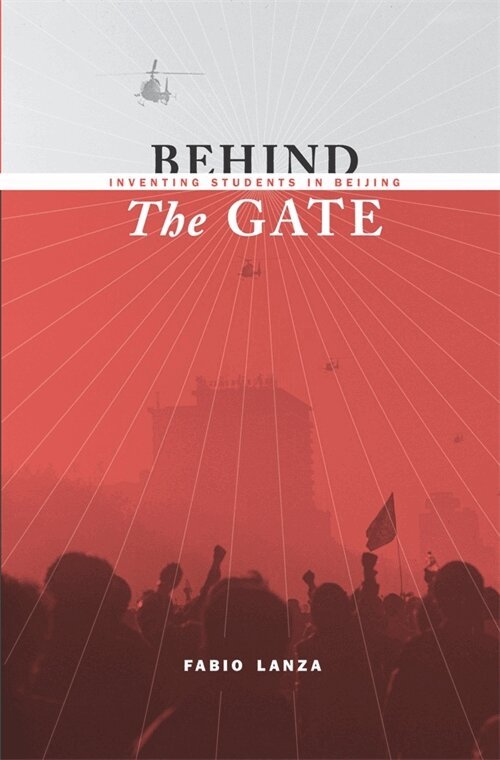
On May 4, 1919, thousands of students protested the Versailles treaty in Beijing. Seventy years later, another generation demonstrated in Tiananmen Square. Climbing the Monument of the People's Heroes, these protestors stood against a relief of their predecessors, merging with their own mythology while consciously deploying their activism. Through an investigation of twentieth-century Chinese student protest, Fabio Lanza considers the marriage of the cultural and the political, the intellectual and the quotidian, that occurred during the May Fourth movement, along with its rearticulation in subsequent protest. He ultimately explores the political category of the "student" and its making in the twentieth century. Lanza returns to the May Fourth period (1917-1923) and the rise of student activism in and around Beijing University. He revisits reform in pedagogical and learning routines, changes in daily campus life, the fluid relationship between the city and its residents, and the actions of allegedly cultural student organizations.Through a careful analysis of everyday life and urban space, Lanza radically reconceptualizes the emergence of political subjectivities (categories such as "worker," "activist," and "student") and how they anchor and inform political action. He accounts for the elements that drew students to Tiananmen and the formation of the student as an enduring political category. His research underscores how, during a time of crisis, the lived realities of university and student became unsettled in Beijing, and how political militancy in China arose only when the boundaries of identification were challenged.
2 166 kr
Skickas inom 10-15 vardagar
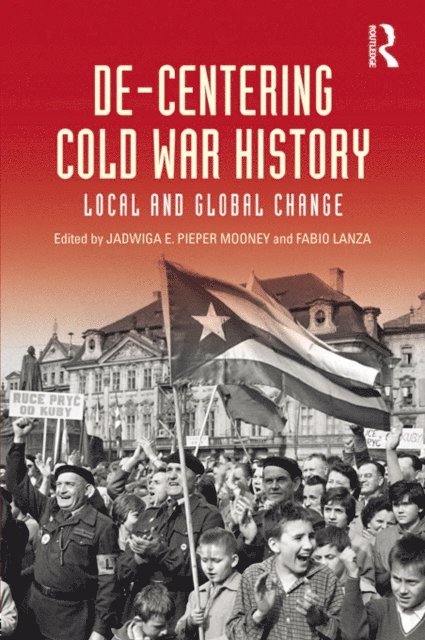
De-Centering Cold War History challenges the Cold War master narratives that focus on super-power politics by shifting our analytical perspective to include local-level experiences and regional initiatives that were crucial to the making of a Cold War world. Cold War histories are often told as stories of national leaders, state policies and the global confrontation that pitted a Communist Eastern Bloc against a Capitalist West. Taking a new analytical approach this book reveals unexpected complexities in the historical trajectory of the Cold War. Contributions from an international group of scholars take a fresh look at historical agency in different places across the world, including Africa, Asia, Europe and the Americas. This collaborative effort shapes a street-level history of the global Cold War era, one that uses the analysis of the 'local' to rethink and reframe the wider picture of the 'global', connecting the political negotiations of individuals and communities at the intersection of places and of meeting points between 'ordinary' people and political elites to the Cold War at large. Essential reading for all students of Cold War history.
676 kr
Skickas inom 10-15 vardagar
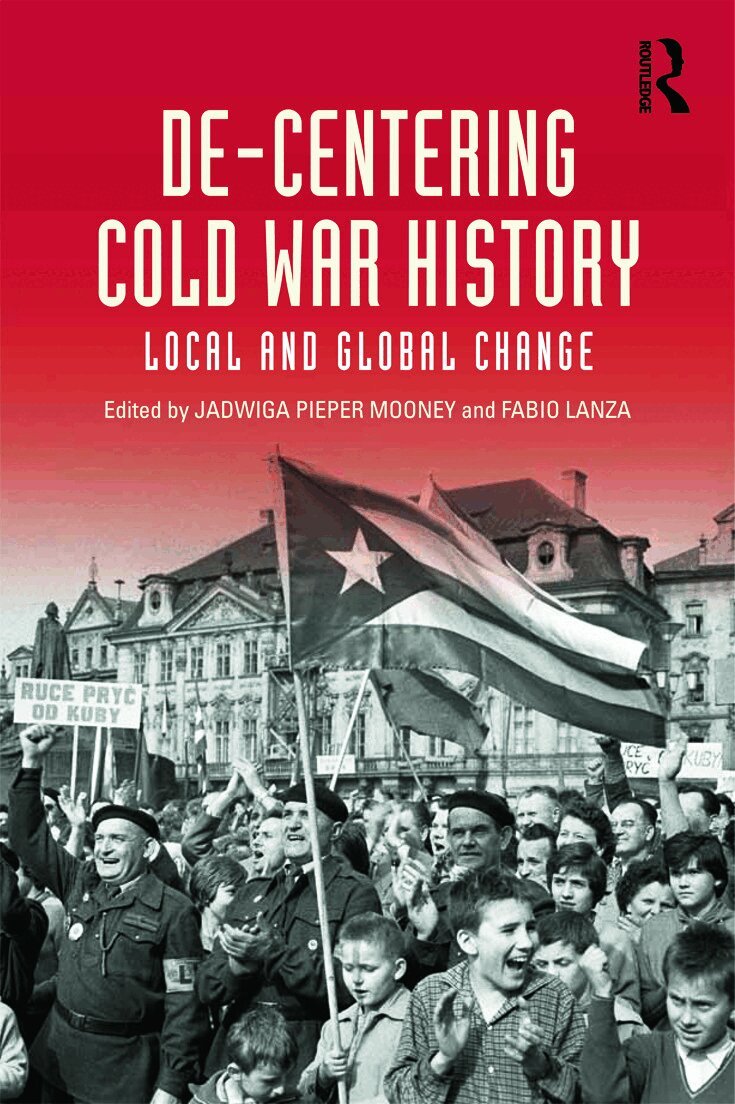
De-Centering Cold War History challenges the Cold War master narratives that focus on super-power politics by shifting our analytical perspective to include local-level experiences and regional initiatives that were crucial to the making of a Cold War world. Cold War histories are often told as stories of national leaders, state policies and the global confrontation that pitted a Communist Eastern Bloc against a Capitalist West. Taking a new analytical approach this book reveals unexpected complexities in the historical trajectory of the Cold War. Contributions from an international group of scholars take a fresh look at historical agency in different places across the world, including Africa, Asia, Europe and the Americas. This collaborative effort shapes a street-level history of the global Cold War era, one that uses the analysis of the 'local' to rethink and reframe the wider picture of the 'global', connecting the political negotiations of individuals and communities at the intersection of places and of meeting points between 'ordinary' people and political elites to the Cold War at large. Essential reading for all students of Cold War history.
1 221 kr
Skickas inom 7-10 vardagar
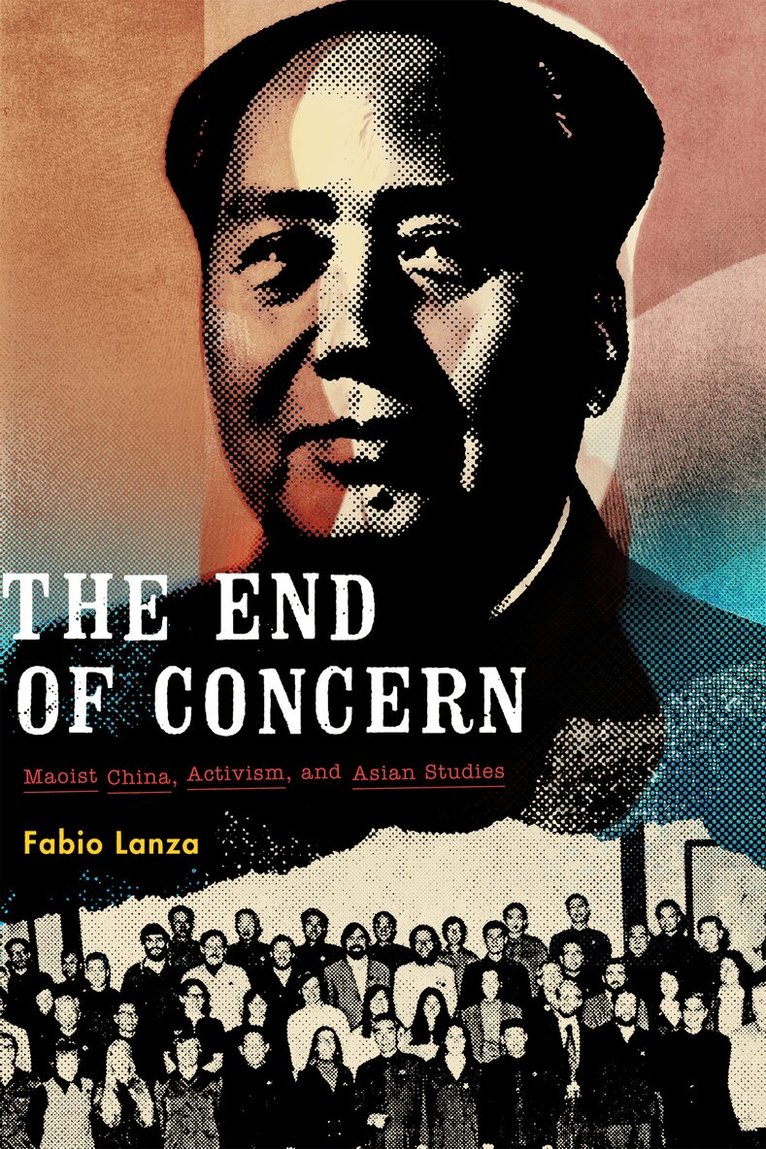
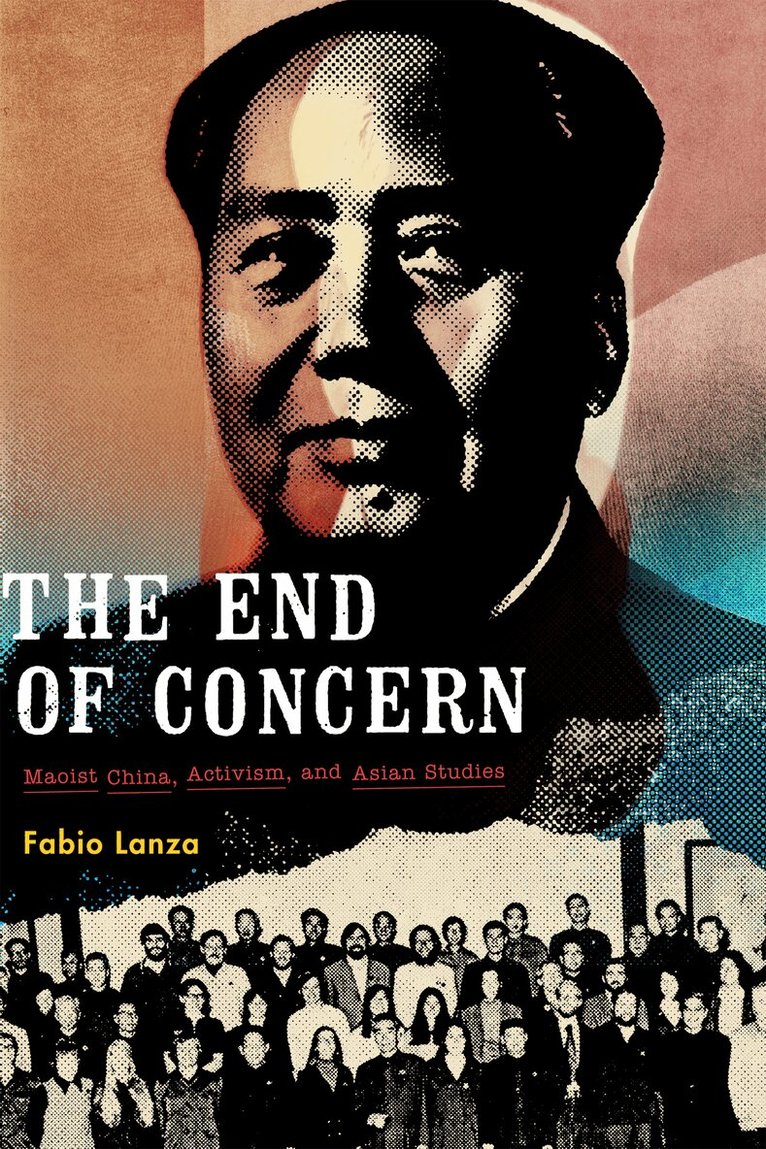
In 1968 a cohort of politically engaged young academics established the Committee of Concerned Asian Scholars (CCAS). Critical of the field of Asian studies and its complicity with the United States' policies in Vietnam, the CCAS mounted a sweeping attack on the field's academic, political, and financial structures. While the CCAS included scholars of Japan, Korea, and South and Southeast Asia, the committee focused on Maoist China, as it offered the possibility of an alternative politics and the transformation of the meaning of labor and the production of knowledge. In The End of Concern Fabio Lanza traces the complete history of the CCAS, outlining how its members worked to merge their politics and activism with their scholarship. Lanza's story exceeds the intellectual history and legacy of the CCAS, however; he narrates a moment of transition in Cold War politics and how Maoist China influenced activists and intellectuals around the world, becoming a central element in the political upheaval of the long 1960s.
371 kr
Skickas inom 7-10 vardagar
In 1968 a cohort of politically engaged young academics established the Committee of Concerned Asian Scholars (CCAS). Critical of the field of Asian studies and its complicity with the United States' policies in Vietnam, the CCAS mounted a sweeping attack on the field's academic, political, and financial structures. While the CCAS included scholars of Japan, Korea, and South and Southeast Asia, the committee focused on Maoist China, as it offered the possibility of an alternative politics and the transformation of the meaning of labor and the production of knowledge. In The End of Concern Fabio Lanza traces the complete history of the CCAS, outlining how its members worked to merge their politics and activism with their scholarship. Lanza's story exceeds the intellectual history and legacy of the CCAS, however; he narrates a moment of transition in Cold War politics and how Maoist China influenced activists and intellectuals around the world, becoming a central element in the political upheaval of the long 1960s.
1 228 kr
Kommande
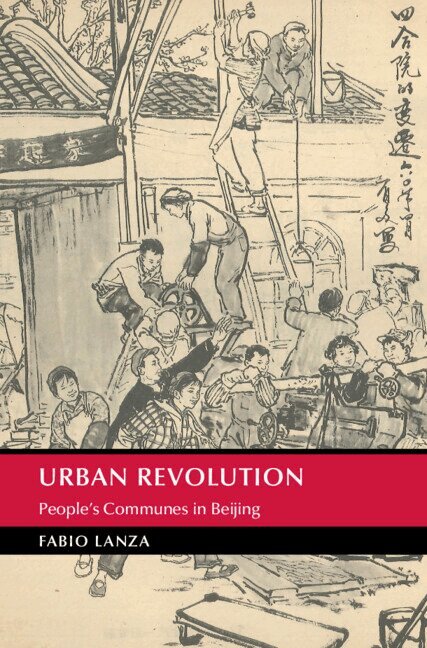
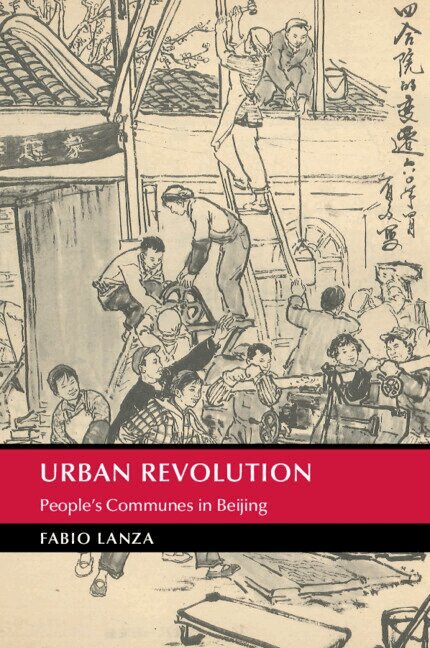
During the Great Leap Forward (1958-62), the collectivization of the Chinese countryside had catastrophic results, but how did this short-lived political experiment reshape urban life? In the first English history of urban collectivization, Fabio Lanza explores the most radical attempts to remake cities under Mao. Examining the universalization of production, the collectivization of life, including communal canteens and nurseries, and women's liberation, intended to transform modern urban life along socialist lines, he shows how many residents, and women in particular, struggled to enact a radical change in their everyday lives. He argues that the daily reality of millions of city residents proved the limitations of an effort that tied emancipation to industrial labor and substituted subjugation to the assembly line for subjugation to the stove, confronting some of the crucial contradictions of the socialist revolution.
370 kr
Kommande
During the Great Leap Forward (1958-62), the collectivization of the Chinese countryside had catastrophic results, but how did this short-lived political experiment reshape urban life? In the first English history of urban collectivization, Fabio Lanza explores the most radical attempts to remake cities under Mao. Examining the universalization of production, the collectivization of life, including communal canteens and nurseries, and women's liberation, intended to transform modern urban life along socialist lines, he shows how many residents, and women in particular, struggled to enact a radical change in their everyday lives. He argues that the daily reality of millions of city residents proved the limitations of an effort that tied emancipation to industrial labor and substituted subjugation to the assembly line for subjugation to the stove, confronting some of the crucial contradictions of the socialist revolution.
156 kr
Skickas inom 7-10 vardagar
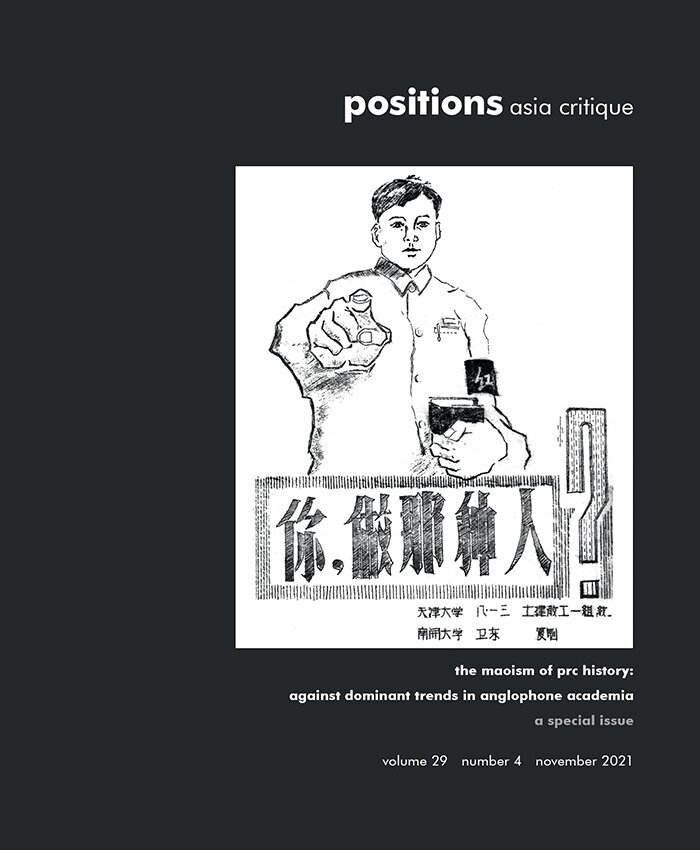
Contributors to this special issue investigate the current state of People's Republic of China (PRC) history, positing that the methods Anglophone, non-Chinese scholars have developed and deployed over the last several decades led to important misreadings of the historical record. The contributors argue that Chinese people have, from the rise and fall of Maoist ideology to the subsequent post-disillusionment era, produced political subjectivities and revolutionary upheavals that challenged traditional societal and pedagogical systems. Therefore, producing better scholarship requires taking seriously the way PRC history is necessarily and profoundly political. Essay topics include the unattainable and unfilled aspirations that Maoism engendered, the problems that mark the practice of PRC history to this day, and the ideological approach that frames both how we read Mao-era sources and understand Maoist politics in general. Other topics include how US academia writes the history of the PRC-especially with the problematic dominance of social scientific methods-and the differences between labor in Maoist China and labor under capitalism.Contributors. Jeremy Brown, Alexander Day, Matthew D. Johnson, Fabio Lanza, Covell Meyskens, Sigrid Schmalzer, Aminda Smith, Jake Werner