Fady I. Sharara – författare
Visar alla böcker från författaren Fady I. Sharara. Handla med fri frakt och snabb leverans.
5 produkter
5 produkter
Inbunden, Engelska, 2013
1 135 kr
Skickas inom 10-15 vardagar
Birth outcome data collected by the Society for Assisted Reproductive Technology shows a worsening trend in conception rates between the years 1999-2000 and 2004-2006, raising more concern that the disparity in fertility rates between minority groups and white women is widening over time.
E-bok
PDF, Engelska, 20131 459 kr
Läs direkt efter köp
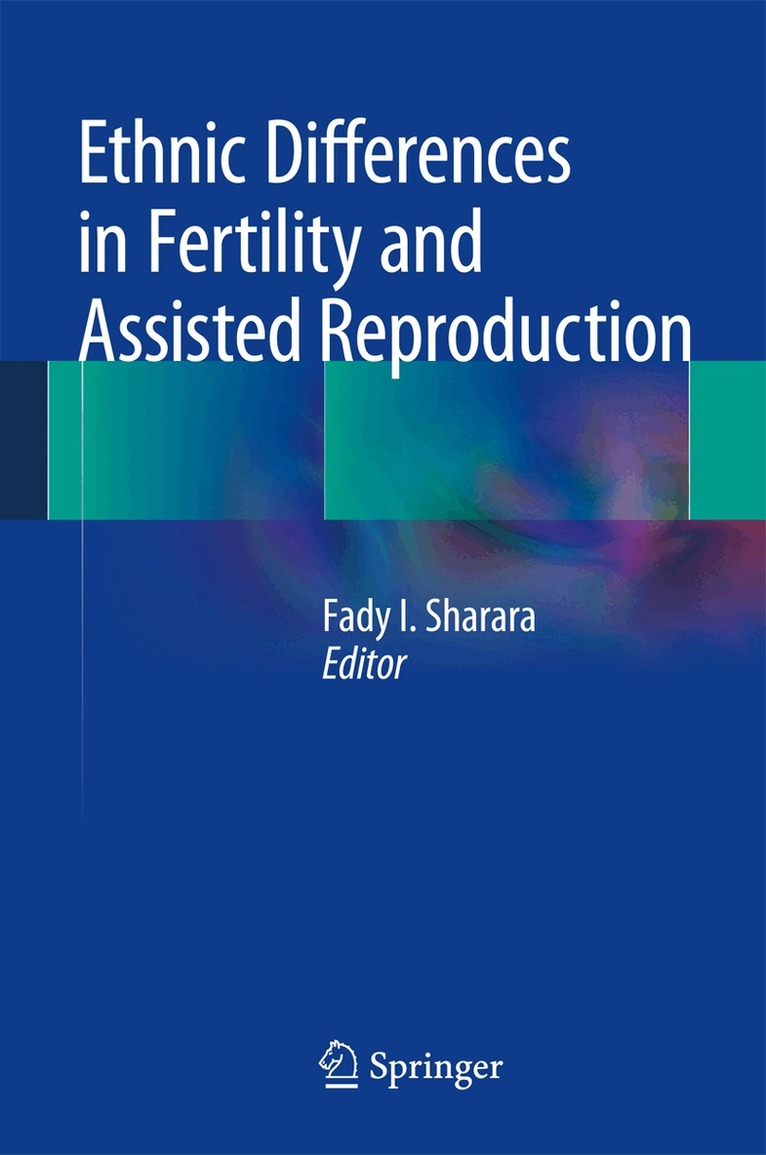
Over the past 10 years, studies have shown that the rates of fertility vary in different ethnic groups. Ethnic differences also play a significant role in the outcome of assisted reproductive technology (ART) cycles. In the United States, minority groups--African Americans, Hispanics (mainly Mexicans and Central Americans), East Asians (Chinese, Japanese, Koreans, Philippinos) and South Asians (Indians, Pakistanis, and Bengalis)--have significantly lower chances of live births compared to Caucasian women. Birth outcome data collected by the Society for Assisted Reproductive Technology shows a worsening trend in conception rates between the years 1999-2000 and 2004-2006, raising more concern that the disparity in fertility rates between minority groups and white women is widening over time. This comprehensive book serves to answer the questions that arise when managing infertility in a multi-ethnic population. An expert assembly of key leaders in the field of reproductive medicine imparts insight and clinical experience in order to identify and analyze the possible causes of racial disparities in fertility outcome. Some of the reviewed causes include higher Body Mass Index (BMI), tubal diseases, metabolic syndrome, and fibroids in African Americans; tubal disease and higher early pregnancy loss in Hispanics; higher incidence of diminished ovarian reserve and lower BMI in East Asians; and higher incidence of polycystic ovarian disease (PCOS) in South Asians. The book also provides a review of data on access to care and ART services in developing countries. A thoughtful combination of evidence-based medicine and advanced treatment options, this book is sure to distinguish itself as the definitive reference on ethnic differences in assisted reproduction.
Häftad, Engelska, 2015
1 970 kr
Skickas inom 5-8 vardagar
Over the past 10 years, studies have shown that the rates of fertility vary in different ethnic groups. Ethnic differences also play a significant role in the outcome of assisted reproductive technology (ART) cycles. In the United States, minority groups--African Americans, Hispanics (mainly Mexicans and Central Americans), East Asians (Chinese, Japanese, Koreans, Philippinos) and South Asians (Indians, Pakistanis, and Bengalis)--have significantly lower chances of live births compared to Caucasian women. Birth outcome data collected by the Society for Assisted Reproductive Technology shows a worsening trend in conception rates between the years 1999-2000 and 2004-2006, raising more concern that the disparity in fertility rates between minority groups and white women is widening over time. This comprehensive book serves to answer the questions that arise when managing infertility in a multi-ethnic population. An expert assembly of key leaders in the field of reproductive medicine imparts insight and clinical experience in order to identify and analyze the possible causes of racial disparities in fertility outcome. Some of the reviewed causes include higher Body Mass Index (BMI), tubal diseases, metabolic syndrome, and fibroids in African Americans; tubal disease and higher early pregnancy loss in Hispanics; higher incidence of diminished ovarian reserve and lower BMI in East Asians; and higher incidence of polycystic ovarian disease (PCOS) in South Asians. The book also provides a review of data on access to care and ART services in developing countries. A thoughtful combination of evidence-based medicine and advanced treatment options, this book is sure to distinguish itself as the definitive reference on ethnic differences in assisted reproduction.
Inbunden, Engelska, 2025
2 226 kr
Skickas inom 5-8 vardagar
When the first edition of this book was published in 2013 it was still controversial to many on whether or not true racial differences existed in the delivery of fertility care. Since then, much like the evolution of the acceptance of climate change, it is now generally believed that not only are there differences but that there are real racial and ethnic disparities in access and treatment outcomes.This second edition of Racial and Ethnic Disparities in Fertility and Assisted Reproduction documents our present understanding of the scope, contributing causes and complexity of potential solutions for closing the racial/ethnic disparity gap in using our most medically advanced assisted reproductive technologies to bring joy to those who wish to become parents. Effort has been directed to developing a better understanding of how and why these disparities occur. An expert assembly of key leaders in the field of reproductive medicine imparts insight and clinical experience to identify and analyze the possible causes of racial disparities infertility outcome. This book is sure to distinguish itself as the definitive reference on racial and ethnic differences in assisted reproduction.
E-bok
Engelska, 20252 925 kr
Läs direkt efter köp
When the first edition of this book was published in 2013 it was still controversial to many on whether or not true racial differences existed in the delivery of fertility care. Since then, much like the evolution of the acceptance of climate change, it is now generally believed that not only are there differences but that there are real racial and ethnic disparities in access and treatment outcomes.This second edition of Racial and Ethnic Disparities in Fertility and Assisted Reproduction documents our present understanding of the scope, contributing causes and complexity of potential solutions for closing the racial/ethnic disparity gap in using our most medically advanced assisted reproductive technologies to bring joy to those who wish to become parents. Effort has been directed to developing a better understanding of how and why these disparities occur. An expert assembly of key leaders in the field of reproductive medicine imparts insight and clinical experience to identify and analyze the possible causes of racial disparities infertility outcome. This book is sure to distinguish itself as the definitive reference on racial and ethnic differences in assisted reproduction.