Felipe C. Albuquerque – författare
1 431 kr
Skickas inom 10-15 vardagar
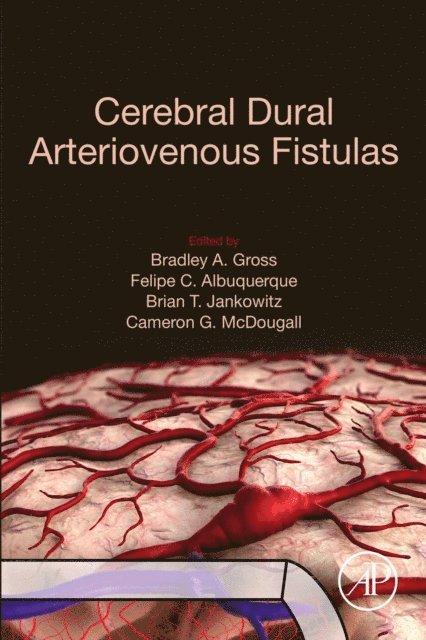
Cerebral Dural Arteriovenous Fistulas serves as an authoritative, comprehensive resource for these vascular lesions, describing their anatomy, diagnosis, natural history, and thorough treatment options. Rooted in well-illustrated anatomy and depictions of dAVFs, readers can better understand their pathophysiology, historical discovery, and avenues for treatment, including embolization, surgery, and radiosurgery. Imaging modalities are also discussed extensively as well as the management of these lesions. This reference is appropriate for neurosurgeons, neurologists, interventional radiologists and intensivists that manage these patients, providing clarity, and at the same time, comprehensiveness.
Describes the anatomy, diagnosis, and imaging modalities for dAVFs Provides a thorough overview of treatment options and patient care Features unprecedented focus on fistulas of this type and their pathophysiology Broadly appeals to practicing physicians, surgeons, neurologists, radiologists, interventionalists, intensivists, residents, advanced medical students and anyone seeking a comprehensive text for these lesions2 034 kr
Läs direkt efter köp
1 943 kr
Skickas inom 5-8 vardagar
2 506 kr
Läs direkt efter köp
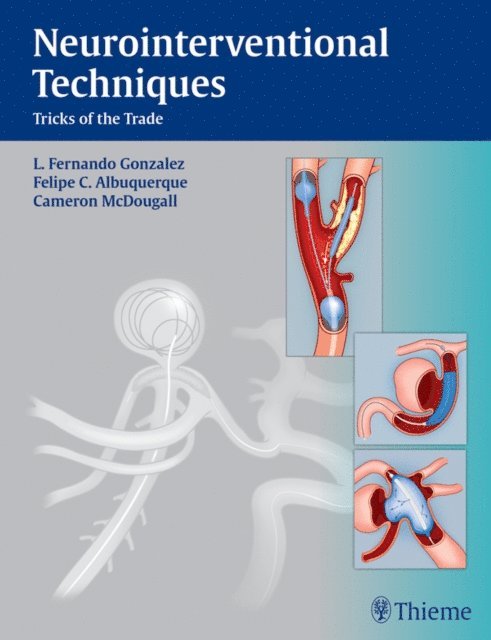
Neurointerventional Techniques: Tricks of the Trade is a practical reference that includes core procedures used in the growing neurointerventional subspecialty. The step-by-step, concise presentation of procedures along with original line drawings and high-quality images concisely distill a wealth of information, making it easy for both novice and expert neurointerventionists to review how procedures are performed. The book includes over 50 specific procedures as well as important chapters on access points, physiological testing, and pharmacology in the endovascular suite.
Key Features:
Written by leading experts in neurointerventional practice Strong emphasis on complication avoidance throughout the text Covers both basic and more complex neuroendovascular procedures Appendices are rich with information on catheters, presented in an easy-to-access tabular format, as well as important guidance on intraoperative neurophysiologic monitoring as it applies to neurointerventional proceduresNeurosurgeons and neurointerventionists at all levels, from residents learning procedures to experienced practitioners needing a quick refresher, will find this book to be an invaluable resource that they will consult frequently in clinical practice.
2 756 kr
Läs direkt efter köp
Seminal resource on state-of-the-art flow diversion techniques from leading neurointerventional experts
From detachable balloons and GDC coils to the recent advent of flow diversion, practitioners of endovascular neurosurgery have been fortunate to work in an era of rapid and exciting advances. The first commercially available flow diverter in the U.S. was approved specifically for a small subset of cerebral aneurysms. Recent experience has demonstrated its utility in treating challenging or otherwise untreatable aneurysms, safely and efficaciously. The design of these devices requires learning radically different methods than those used in the deployment of other, non-braided stents.
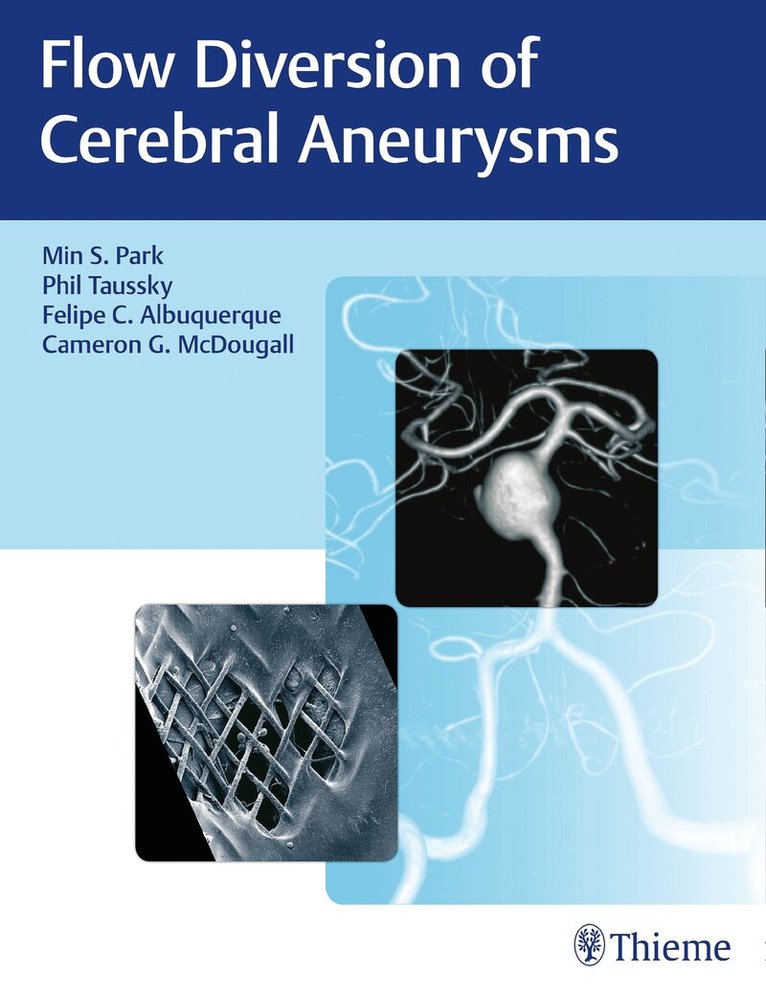
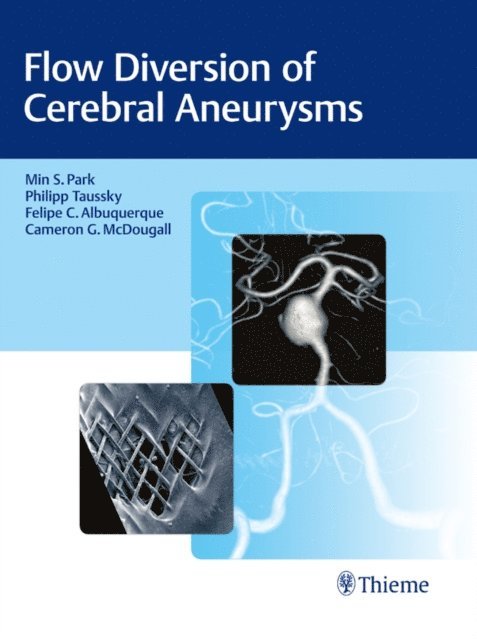
Flow Diversion of Cerebral Aneurysms by Min Park, Philipp Taussky, Felipe Albuquerque, and Cameron McDougall provides step-by-step guidance on utilization of flow diversion technology in clinical practice. Reflecting the combined experience and knowledge of pioneers in neurointerventional surgery, this comprehensive book fills a gap in available resources. Twenty-one chapters cover fundamentals to advanced concepts – historical perspective to future developments.
Key Features
More than 100 high quality graphics and illustrative case studies reinforce key conceptsTechniques and nuances of Pipeline, Silk (Balt Extrusion), Surpass Streamline, and Flow-Redirection Endoluminal Device (FRED) deploymentAn overview of current flow diversion devices, discussion of coil embolization versus flow diversion, off-label uses, adjuvant approaches, and hemodynamic modificationsPharmacology, flow diversion grading scales, and post-procedure radiographic imagingClinical pearls on ruptured aneurysms, intraprocedural/postprocedural complications, and management of aneurysm residualsThe ultimate goal of incorporating cutting-edge flow diversion techniques into the aneurysm treatment paradigm is improved efficacy and patient outcome. The knowledge gleaned from this outstanding resource will help residents and fellows learn to deploy flow diverters for the first time and enable seasoned clinicians to expand their neurointerventional radiology skills.