Fernando Quesada Sanz – författare
Visar alla böcker från författaren Fernando Quesada Sanz. Handla med fri frakt och snabb leverans.
4 produkter
4 produkter
Del 502 - BAR International
Armamento, Guerra y Sociedad en la Necrópolis Ibérica de "El Cabecico del Tesoro" (Murcia, España), Volumen i
Häftad, Spanska, 1989
960 kr
Skickas inom 5-8 vardagar
Del 502 - BAR International
Armamento, Guerra y Sociedad en la Necrópolis Ibérica de "El Cabecico del Tesoro" (Murcia, España), Volumen ii
Häftad, Spanska, 1989
927 kr
Skickas inom 5-8 vardagar
Inbunden, Engelska, 2023
430 kr
Skickas
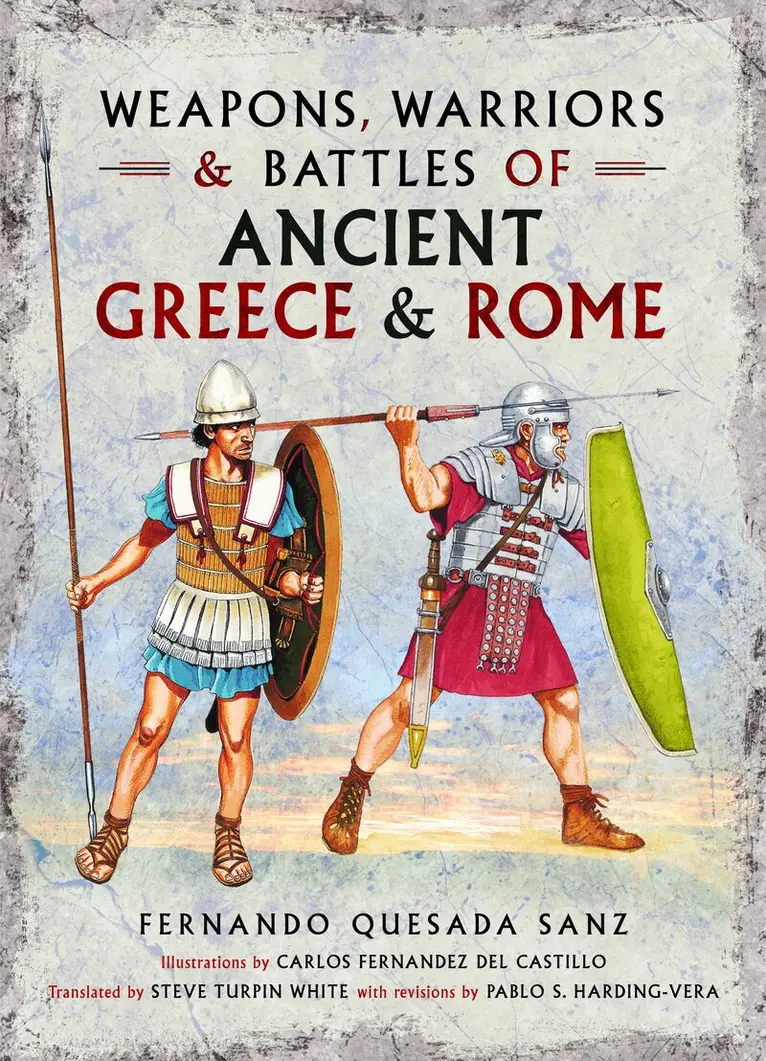
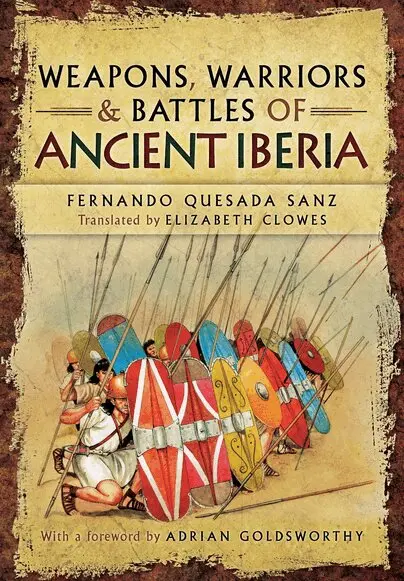
In ancient times, the Iberian Peninsula (Spain and Portugal) was home to warriors of great renown. Spanish and Celtiberian warriors, both infantry and cavalry, provided the backbone of the Carthaginian armies that terrorized Italy under Hannibal and proved even more ferocious in defence of their homeland against later Roman occupation. The Lusitanian resistance under Viriathus was among the toughest the Romans encountered anywhere. Professor Quesada Sanz details the arms, armour and equipment of the various warriors of the region in fantastic detail, drawing on his intimate knowledge of the latest archaeological and historical research. His clear and informative text is supported throughout by a wealth of photographs, diagrams and exquisite colour artwork by Carlos Fernandez del Castillo. This beautiful book is a rare combination of detailed, comprehensive information and sumptuous visual appeal that will be cherished by anyone with an interest in the warriors and weapons of the ancient world. The Spanish edition won the Hislibris Award for the 'Best Historical Book' for 2010 and is here faithfully translated into English.
Inbunden, Engelska, 2027
1 071 kr
Kommande
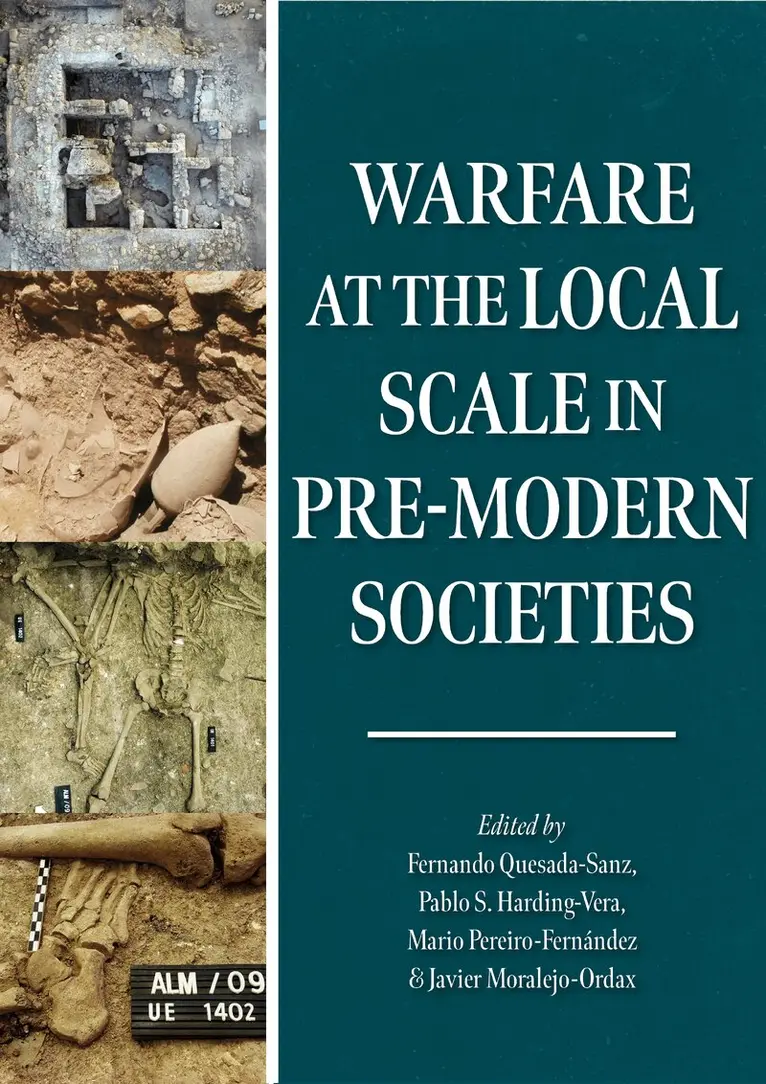
War has been a central theme in history since the works of the earliest historians, who recognised it as a force of change in human communities, altering the social, political, economic and ideological makeup of all involved. Nonetheless, traditional discourse has routinely framed war within the ‘Grand Narratives’ of history, emphasising large battles between great states. The more routine small-scale warfare that prevailed throughout history and the effects of warfare on the local population have traditionally been deemed secondary, although this has changed in recent years. In this sense, conflict archaeology and its methodological toolkit have proven especially fruitful in shedding light on conflicts and engagements otherwise ignored or minimised by written sources. In some cases, archaeological battlefield studies have altered widely held perceptions of well-known battles. This book aims to focus on the local and regional scale of warfare in pre-modern societies, analysing the engagements themselves (battlefields, sieges, mass graves and other evidence of collective violence) and their aftermath. This focus shies away from interpreting conflicts from a global, external perspective, and highlights the utility of conflict archaeology for microhistory analysis. Emphasis is placed on the interactions between external and local agents through warfare, on conflicts between local communities, and the influence of the immediate environment, both human and geographical, on armed engagements. This entails re-framing and re-contextualising a wide array of artefacts and contexts, including direct evidence of violence as well as evidence of sudden, violent change among the communities themselves.