Francesco Iacono – författare
Visar alla böcker från författaren Francesco Iacono. Handla med fri frakt och snabb leverans.
6 produkter
6 produkter
Häftad, Engelska, 2026
237 kr
Kommande
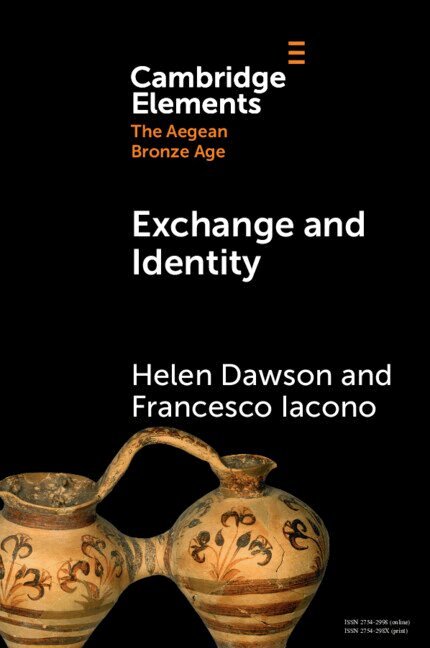
This Element highlights the coastal and island communities of the central Mediterranean as key actors in long-distance exchange networks with the Aegean and eastern Mediterranean during the Bronze Age. It presents a dynamic, interconnected landscape of people, goods, and ideas, emphasising multidirectional and multiscalar interactions and their impact on exchange and social identities. Organised thematically, geographically, and chronologically, it offers accessible insights for both specialists and non-specialists, combining detailed archaeological evidence with critical interpretation. The Element underscores the role of local conditions in shaping long-distance Bronze Age exchange networks and fostering social and cultural connections across the Mediterranean, opening fresh perspectives on exchange and identity.
Inbunden, Engelska, 2026
764 kr
Kommande
This Element highlights the coastal and island communities of the central Mediterranean as key actors in long-distance exchange networks with the Aegean and eastern Mediterranean during the Bronze Age. It presents a dynamic, interconnected landscape of people, goods, and ideas, emphasising multidirectional and multiscalar interactions and their impact on exchange and social identities. Organised thematically, geographically, and chronologically, it offers accessible insights for both specialists and non-specialists, combining detailed archaeological evidence with critical interpretation. The Element underscores the role of local conditions in shaping long-distance Bronze Age exchange networks and fostering social and cultural connections across the Mediterranean, opening fresh perspectives on exchange and identity.
Inbunden, Engelska, 2018
1 711 kr
Skickas inom 10-15 vardagar
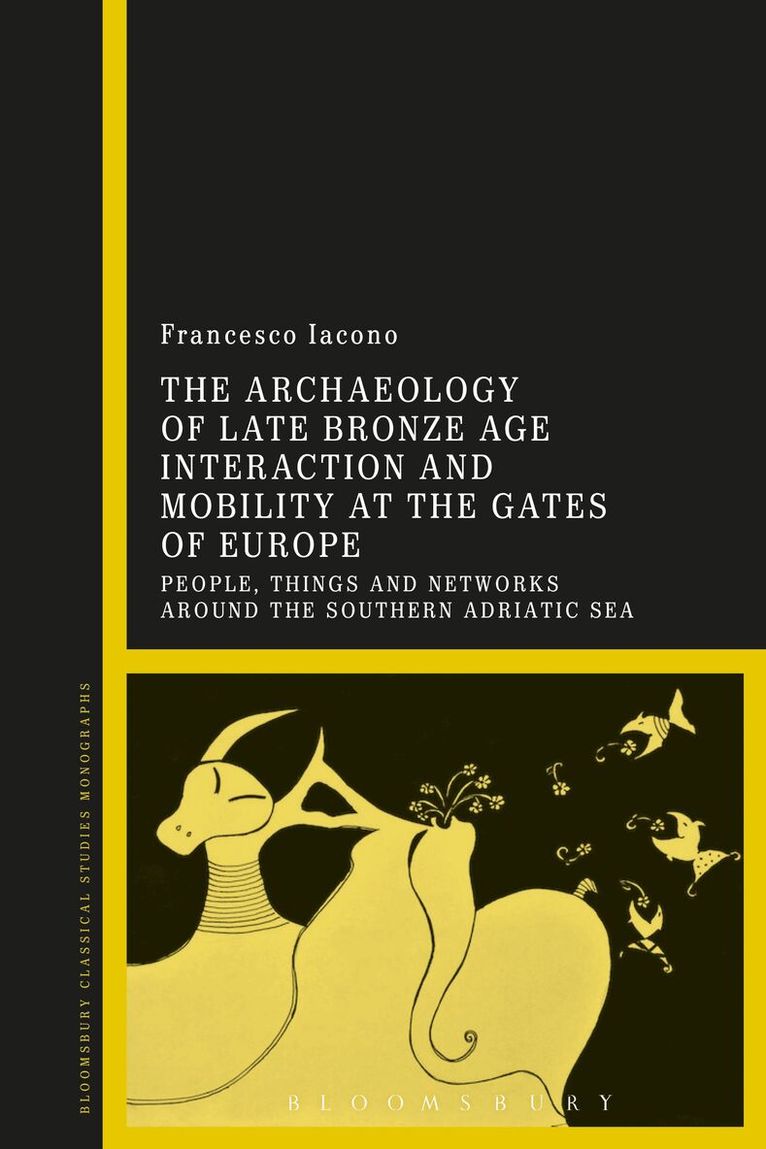
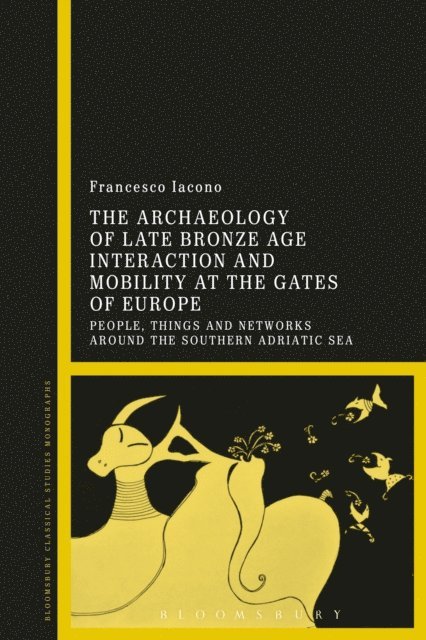
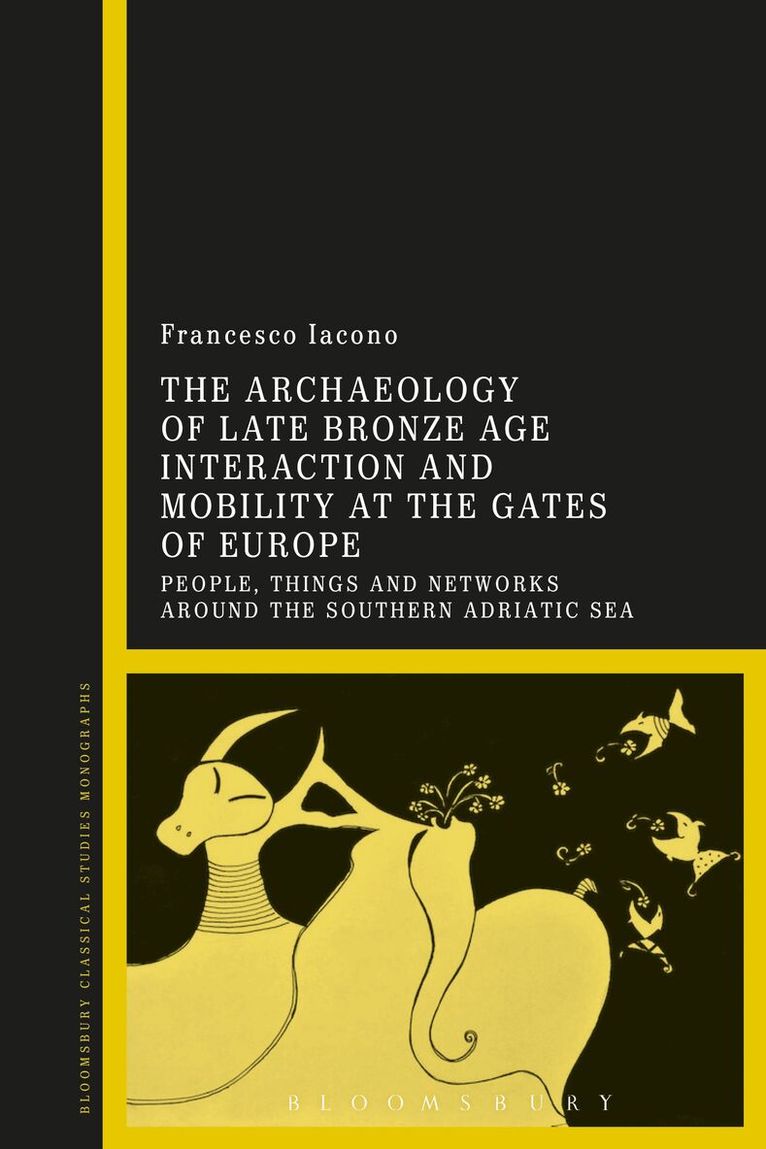
Interaction and mobility have attracted much interest in research within scholarly fields as different as archaeology, history, and more broadly the humanities. Critically assessing some of the most widespread views on interaction and its social impact, this book proposes an innovative perspective which combines radical social theory and currently burgeoning network methodologies.Through an in-depth analysis of a wealth of data often difficult to access, and illustrated by many diagrams and maps, the book highlights connections and their social implications at different scales ranging from the individual settlement to the Mediterranean. The resulting diachronic narrative explores social and economic trajectories over some seven centuries and sheds new light on the broad historical trends affecting the life of people living around the Middle Sea.The Bronze Age is the first period of intense interaction between early state societies of the Eastern Mediterranean and the small-scale communities to the west of Greece, with people and goods moving at a scale previously unprecedented. This encounter is explored from the vantage point of one of its main foci: Apulia, located in the southern Adriatic, at the junction between East and West and the entryway of one of the major routes for the resource-rich European continent.
E-bok
PDF, Engelska, 2018511 kr
Läs direkt efter köp
Interaction and mobility have attracted much interest in research within scholarly fields as different as archaeology, history, and more broadly the humanities. Critically assessing some of the most widespread views on interaction and its social impact, this book proposes an innovative perspective which combines radical social theory and currently burgeoning network methodologies.Through an in-depth analysis of a wealth of data often difficult to access, and illustrated by many diagrams and maps, the book highlights connections and their social implications at different scales ranging from the individual settlement to the Mediterranean. The resulting diachronic narrative explores social and economic trajectories over some seven centuries and sheds new light on the broad historical trends affecting the life of people living around the Middle Sea. The Bronze Age is the first period of intense interaction between early state societies of the Eastern Mediterranean and the small-scale communities to the west of Greece, with people and goods moving at a scale previously unprecedented. This encounter is explored from the vantage point of one of its main foci: Apulia, located in the southern Adriatic, at the junction between East and West and the entryway of one of the major routes for the resource-rich European continent.
E-bok
Engelska, 2018511 kr
Läs direkt efter köp
Interaction and mobility have attracted much interest in research within scholarly fields as different as archaeology, history, and more broadly the humanities. Critically assessing some of the most widespread views on interaction and its social impact, this book proposes an innovative perspective which combines radical social theory and currently burgeoning network methodologies.Through an in-depth analysis of a wealth of data often difficult to access, and illustrated by many diagrams and maps, the book highlights connections and their social implications at different scales ranging from the individual settlement to the Mediterranean. The resulting diachronic narrative explores social and economic trajectories over some seven centuries and sheds new light on the broad historical trends affecting the life of people living around the Middle Sea. The Bronze Age is the first period of intense interaction between early state societies of the Eastern Mediterranean and the small-scale communities to the west of Greece, with people and goods moving at a scale previously unprecedented. This encounter is explored from the vantage point of one of its main foci: Apulia, located in the southern Adriatic, at the junction between East and West and the entryway of one of the major routes for the resource-rich European continent.
Häftad, Engelska, 2020
490 kr
Skickas inom 10-15 vardagar
Interaction and mobility have attracted much interest in research within scholarly fields as different as archaeology, history, and more broadly the humanities. Critically assessing some of the most widespread views on interaction and its social impact, this book proposes an innovative perspective which combines radical social theory and currently burgeoning network methodologies.Through an in-depth analysis of a wealth of data often difficult to access, and illustrated by many diagrams and maps, the book highlights connections and their social implications at different scales ranging from the individual settlement to the Mediterranean. The resulting diachronic narrative explores social and economic trajectories over some seven centuries and sheds new light on the broad historical trends affecting the life of people living around the Middle Sea.The Bronze Age is the first period of intense interaction between early state societies of the Eastern Mediterranean and the small-scale communities to the west of Greece, with people and goods moving at a scale previously unprecedented. This encounter is explored from the vantage point of one of its main foci: Apulia, located in the southern Adriatic, at the junction between East and West and the entryway of one of the major routes for the resource-rich European continent.