Francisca Solomon – författare
Visar alla böcker från författaren Francisca Solomon. Handla med fri frakt och snabb leverans.
2 produkter
2 produkter
E-bok
PDF, Tyska, 2025722 kr
Läs direkt efter köp
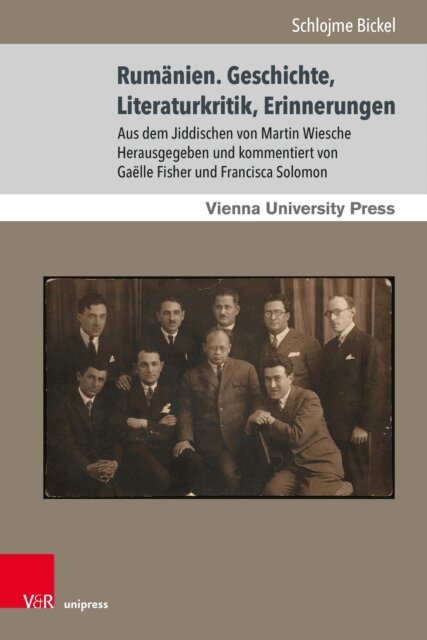
In 37 kurzen Kapiteln bietet das Buch Rumanien. Geschichte, Literaturkritik, Erinnerungen einen Uberblick uber die judische Kultur und das judisches Leben in Rumanien ab dem Ende des 19. Jahrhunderts bis kurz nach dem 2. Weltkrieg. Der Schwerpunkt liegt dabei auf jiddischsprachiger Kulturarbeit in den 1920er und 1930er Jahren im neu entstandenen Grorumanien. Herzstuck des Buches sind 47 biografische Portrats wichtiger Personlichkeiten dieser Epoche. Thematisiert werden auch Orte und Schlusselmomente der rumanisch-judischen Geschichte. Nicht zuletzt werden Ausschnitte von Prosa und Lyrik zitiert und kommentiert, die in der annotierten Edition in der Mehrheit erstmalig ins Deutsche ubertragen worden sind. Das einzigartige Kompendium vermittelt ein anschauliches Bild der judischen und vor allem der jiddischsprachigen Lebenswelt, die vor dem Holocaust in Osteuropa existierte. With its 37 short chapters, "e;Romania: History, Literary Criticism, Memories"e; offers an overview of Jewish life and culture in Romania from the end of the 19th century until shortly after the Second World War. The focus of Schlojme Bickel's late work is on Yiddish-language cultural work in the 1920s and 1930s in the newly formed interwar "e;Greater Romania"e;. At the heart of the book are 47 biographical portraits of important personalities of this epoch. It also covers places and key moments in Romanian-Jewish history. Last but not least, it cites and discusses prose and poetry excerpts, most of which have never before been translated into German. This unique compendium provides a vivid picture of Jewish and, in particular, Yiddish-speaking Eastern Europe before the Holocaust.
Inbunden, Engelska, 2025
1 533 kr
Skickas inom 10-15 vardagar
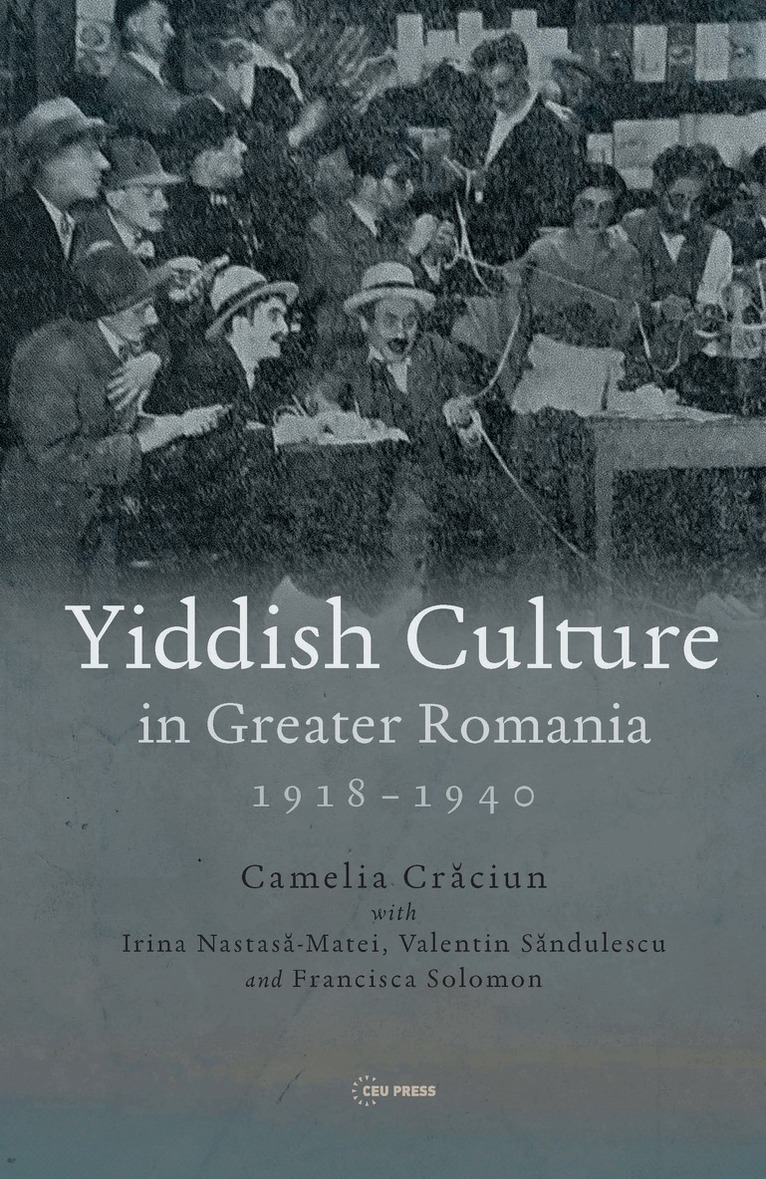
Yiddish culture was an important part of the cultural landscape of Eastern Europe from the Baltic Sea to the Danube, connecting the scattered Ashkenazi Jewry, the overwhelming majority of the Jews living in this geographical area.In the newly created Greater Romania, the Jewish community included more than half a million individuals still speaking Yiddish. Building on pre-war trends, the new nation-state faced an antisemitism problem since its inception. This continued in the period that followed, culminating in the horrors of the Holocaust, which destroyed most of the Yiddish-language community. Most survivors were discouraged from continuing to use a language that reminded them of a painful past.This volume examines the socio-cultural mechanisms responsible for restructuring the Yiddish cultural life after the changes brought about by the end of World War I and the creation of Greater Romania. It describes how this process evolved until the political regimes banned the activity of Yiddish theaters, press and, ultimately, the usage of Yiddish, thus making cultural life impossible.The four authors identify the main institutions, individuals and projects that promoted Yiddish cultural life in interwar Romania. They also trace the impact of Yiddish within Romanian society through joint projects, events, and initiatives. Special attention is given to Yiddish theater, which played a key role both within the community and in its interaction with the Romanian-speaking public.