Francisco Javier Aceituno Bocanegra – författare
Visar alla böcker från författaren . Handla med fri frakt och snabb leverans.
5 produkter
5 produkter
Häftad, Engelska, 2026
649 kr
Kommande
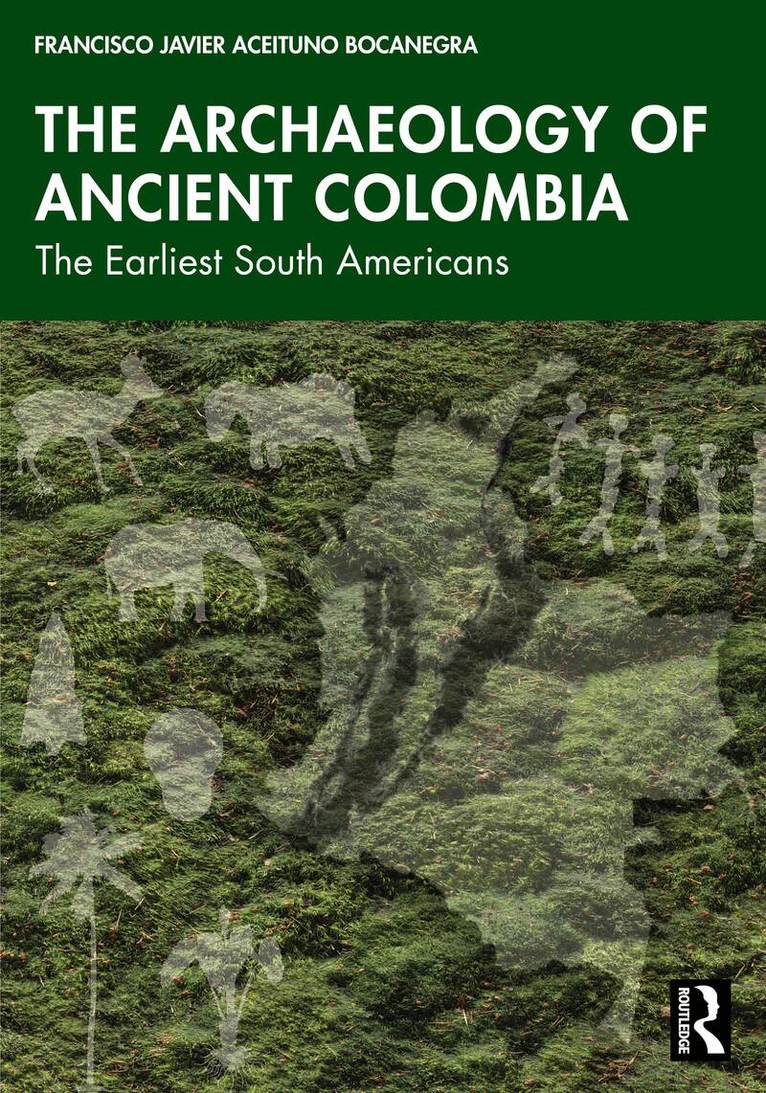
This volume reveals the hidden archaeological history of Colombia’s first inhabitants from the Ice Age through the Middle Holocene. It documents their extraordinary achievements as they settled and adapted to diverse and challenging environments, highlighting key developments including landscape management, plant domestication, mortuary traditions and social ritual, ceramic production, long-distance mobility and navigation, and the creation of rock art traditions—many of which continue to shape Indigenous communities today.Drawing on decades of archaeological research that until now has been scattered across more inaccessible publications, the book provides the first comprehensive synthesis of Colombia’s earliest human history. It brings together archaeological, paleoenvironmental, and bioarchaeological evidence to reconstruct how these societies responded to climatic change, ecological diversity, and demographic expansion during a key period of continental peopling and cultural transformation. It is organized around three interconnected analytical perspectives: spatio-temporal reconstruction of migration, settlement, and chronological frameworks; an examination of human adaptability through subsistence practices, technological innovation, and the active transformation of landscapes; and an exploration of early Colombian societies’ symbolic and ideological worlds through material culture, mortuary practices, rock art, and ethnographic analogy. Archaeological data are presented alongside critical interpretation, enabling readers to understand both the evidence and the broader implications of current research, positioning Colombia as a pivotal region for understanding early human expansion, cultural diversification, and the emergence of complex social traditions in the Americas.Written in an accessible yet scholarly style, The Archaeology of Ancient Colombia is intended for students and researchers in archaeology, anthropology, history, and related disciplines. It is particularly well suited for courses on early human migration, hunter- gatherer adaptations, tropical and highland archaeology, environmental change, and the long- term development of social complexity in the Americas.

Inbunden, Engelska, 2026
2 375 kr
Kommande
This volume reveals the hidden archaeological history of Colombia’s first inhabitants from the Ice Age through the Middle Holocene. It documents their extraordinary achievements as they settled and adapted to diverse and challenging environments, highlighting key developments including landscape management, plant domestication, mortuary traditions and social ritual, ceramic production, long-distance mobility and navigation, and the creation of rock art traditions—many of which continue to shape Indigenous communities today.Drawing on decades of archaeological research that until now has been scattered across more inaccessible publications, the book provides the first comprehensive synthesis of Colombia’s earliest human history. It brings together archaeological, paleoenvironmental, and bioarchaeological evidence to reconstruct how these societies responded to climatic change, ecological diversity, and demographic expansion during a key period of continental peopling and cultural transformation. It is organized around three interconnected analytical perspectives: spatio-temporal reconstruction of migration, settlement, and chronological frameworks; an examination of human adaptability through subsistence practices, technological innovation, and the active transformation of landscapes; and an exploration of early Colombian societies’ symbolic and ideological worlds through material culture, mortuary practices, rock art, and ethnographic analogy. Archaeological data are presented alongside critical interpretation, enabling readers to understand both the evidence and the broader implications of current research, positioning Colombia as a pivotal region for understanding early human expansion, cultural diversification, and the emergence of complex social traditions in the Americas.Written in an accessible yet scholarly style, The Archaeology of Ancient Colombia is intended for students and researchers in archaeology, anthropology, history, and related disciplines. It is particularly well suited for courses on early human migration, hunter- gatherer adaptations, tropical and highland archaeology, environmental change, and the long- term development of social complexity in the Americas.
E-bok
PDF, Spanska, 2025115 kr
Läs direkt efter köp
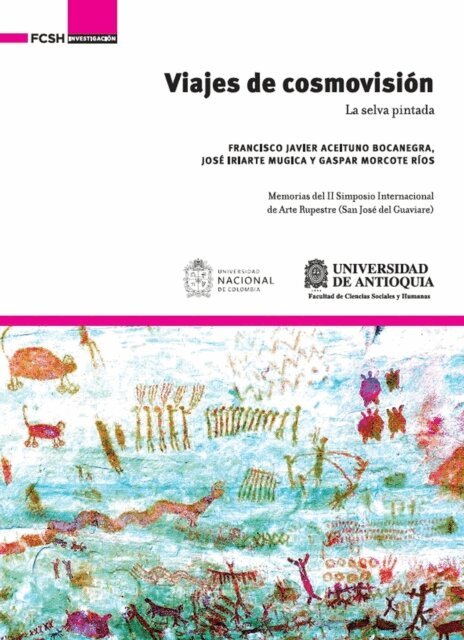
Viajes de cosmovision: La selva pintada reune las memorias del II Simposio Internacional de Arte Rupestre. La obra articula doce contribuciones de especialistas nacionales e internacionales que dialogan sobre el arte rupestre en distintas regiones del mundo -desde Altamira en Espana hasta sitios arqueologicos en Siberia, Surafrica, Patagonia, Brasil y la Amazonia colombiana- explorando su antiguedad, significado simbolico, contextos paisajisticos y roles sociales en comunidades pasadas.
E-bok
Spanska, 2019115 kr
Läs direkt efter köp
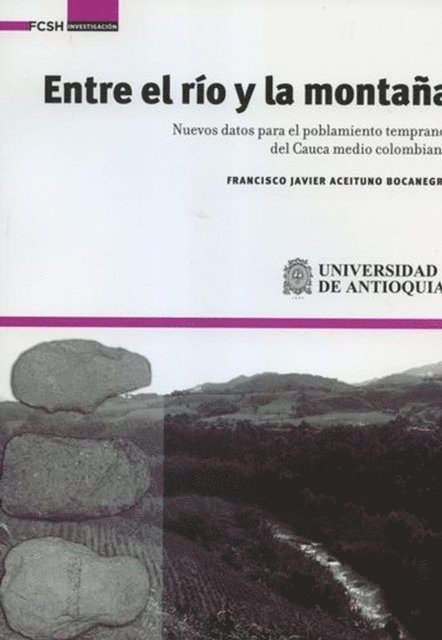
Entre el río y la montaña es el resultado de una investigación arqueológica sobre la ocupación temprana del Cauca medio colombiano, llevada a cabo en el sitio La Pochola, el cual forma parte de un grupo de sitios precerámicos localizados en esta región y datados entre los últimos momentos del Pleistoceno final y el Holoceno medio.El alto número de sitios reportados hasta el momento confirma que esta región fue clave en el poblamiento y dispersión de grupos humanos a lo largo de la Cordillera central. Probablemente, sus condiciones ecológicas y su posición estratégica de acceso a varios pisos altitudinales actuaron como atractores de poblaciones humanas, que encontraron las condiciones de vida para colonizar y ocupar esta región cordillerana. El origen de estos grupos sigue siendo desconocido.
E-bok
Spanska, 201670 kr
Läs direkt efter köp
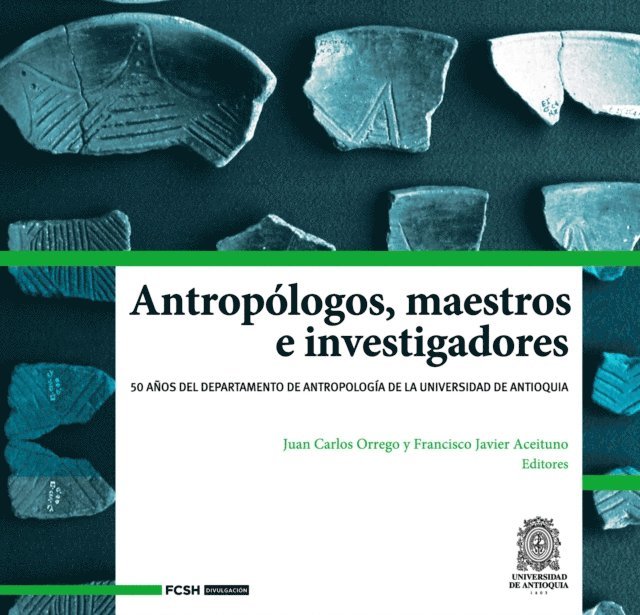
Este libro pretende recuperar los hitos históricos de la carrera antropológica en Antioquia por medio de las palabras y miradas de algunos de sus testigos. Sobra decir que cada uno de ellos ha emprendido, con celo académico, la búsqueda de las fuentes que dan cuenta de los hechos y datos de un pasado tan amplio como complejo. Lo que no está de más es advertir que estos cronistas, de cara a la efeméride, han gozado de la libertad de encontrar sus propias voces, sus propias perspectivas y sus propios modos de indagación y escritura, resultado de lo cual es que en las páginas que siguen aparezca tanto el tono formal como el anecdótico o, incluso, el poético; que se recurra a la narración fluida o a los datos escuetos; que se remonte el tiempo hasta las brumas del siglo XIX o que se noticie lo que acaba de acontecer en el campus de la Universidad de Antioquia; o que se privilegien tanto los archivos documentales como la memoria viva de quienes han tomado parte en esta historia. Por lo demás, este libro no podría haber sido compuesto de otra manera: lo protagonizan y relatan humanos, diversos humanos.