Francisco Vázquez García – författare
Visar alla böcker från författaren Francisco Vázquez García. Handla med fri frakt och snabb leverans.
8 produkter
8 produkter
Inbunden, Engelska, 2009
206 kr
Skickas inom 7-10 vardagar
Analyses the medical category of 'hermaphroditism' in Spain over the period 1850-1960. This title attempts to show how the relationship between the male and female body, biological 'sex', gender and sexuality constantly changed in the light of emerging medical, legal and social influences.
E-bok
PDF, Engelska, 2009153 kr
Läs direkt efter köp
This is the first book in English to analyse the medical category of ''hermaphroditism'' in Spain over the period 1850-1960. It attempts to show how the relationship between the male and female body, biological ''sex'', gender and sexuality constantly changed in the light of emerging medical, legal and social influences. Tracing the evolution of the hermaphrodite from its association with the ''marvellous'' to the association with intersexuality and transexuality, this book emphasizes how the frameworks employed by scientists and doctors reflected not only changing international paradigms with respect to ''hermaphrodite science'' but also social anxieties about shifting gender roles, the evolving discourse on sexuality and, in particular, the increased visibility of the ''sexual deviancies'' such as homosexuality and changing legislation on marriage and divorce. Finally, we hope to open a space whereby the voice of ''hermaphrodites'' and ''intersexuals'' themselves could be heard in the past as agents in the construction of their own destiny as figures deemed ''in-between'' by medicine and society.
Häftad, Engelska, 2016
775 kr
Skickas inom 10-15 vardagar
Early modern European thought held that men and women were essentially the same. During the seventeenth century, medical and legal arguments began to turn against this ‘one-sex’ model, with hermaphroditism seen as a medieval superstition. This book traces this change in Iberia in comparison to the earlier shift in thought in northern Europe.
E-bok
Engelska, 2015918 kr
Läs direkt efter köp
Early modern European thought held that men and women were essentially the same. During the seventeenth century, medical and legal arguments began to turn against this ‘one-sex’ model, with hermaphroditism seen as a medieval superstition. This book traces this change in Iberia in comparison to the earlier shift in thought in northern Europe.
E-bok
PDF, Engelska, 2015918 kr
Läs direkt efter köp
Early modern European thought held that men and women were essentially the same. During the seventeenth century, medical and legal arguments began to turn against this ‘one-sex’ model, with hermaphroditism seen as a medieval superstition. This book traces this change in Iberia in comparison to the earlier shift in thought in northern Europe.
E-bok
Engelska, 2009153 kr
Läs direkt efter köp
This is the first book in English to analyse the medical category of ‘hermaphroditism’ in Spain over the period 1850-1960. It attempts to show how the relationship between the male and female body, biological ‘sex’, gender and sexuality constantly changed in the light of emerging medical, legal and social influences. Tracing the evolution of the hermaphrodite from its association with the ‘marvellous’ to the association with intersexuality and transexuality, this book emphasizes how the frameworks employed by scientists and doctors reflected not only changing international paradigms with respect to ‘hermaphrodite science’ but also social anxieties about shifting gender roles, the evolving discourse on sexuality and, in particular, the increased visibility of the ‘sexual deviancies’ such as homosexuality and changing legislation on marriage and divorce. Finally, we hope to open a space whereby the voice of ‘hermaphrodites’ and ‘intersexuals’ themselves could be heard in the past as agents in the construction of their own destiny as figures deemed ‘in-between’ by medicine and society.
Inbunden, Engelska, 2013
2 469 kr
Skickas inom 10-15 vardagar
Early modern European thought held that men and women were essentially the same. During the seventeenth century, medical and legal arguments began to turn against this ‘one-sex’ model, with hermaphroditism seen as a medieval superstition. This book traces this change in Iberia in comparison to the earlier shift in thought in northern Europe.
E-bok
Spanska, 2018153 kr
Läs direkt efter köp
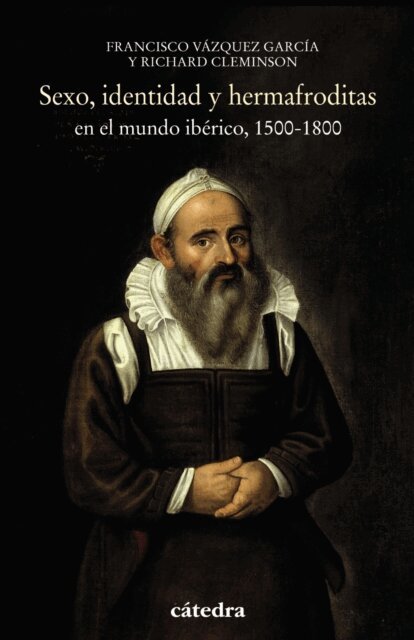
Tomando como referencia la geografia cultural del mundo iberico entre los siglos XVI y XVIII, este libro reconstruye un orden de los sexos y de los generos que funciono en ese periodo. Este regimen, muy diferente del nuestro, se pone al descubierto atendiendo a sus margenes, esto es, remitiendo al modo en que eran pensadas figuras como el hermafrodita o los individuos que cambiaban de sexo. Se analizan por una parte las practicas juridicas, cientificas, artisticas y religiosas en las que estas figuras aparecen involucradas. Por otro lado, a traves del estudio de algunos casos ejemplares, como los de Estebania de Valdaracete, Elena de Cespedes, Catalina de Erauso, el padre Furtado o Jose Martins, entre otros, se explora este regimen de los sexos siguiendolo en su funcionamiento concreto, estableciendo los limites de lo pensable pero abriendo al mismo tiempo, a traves de sus incoherencias y paradojas, espacios de libertad y creatividad para los sujetos conformados dentro de sus fronteras.