François Houtart – författare
Visar alla böcker från författaren François Houtart. Handla med fri frakt och snabb leverans.
3 produkter
3 produkter
Häftad, Engelska, 2010
347 kr
Skickas inom 5-8 vardagar
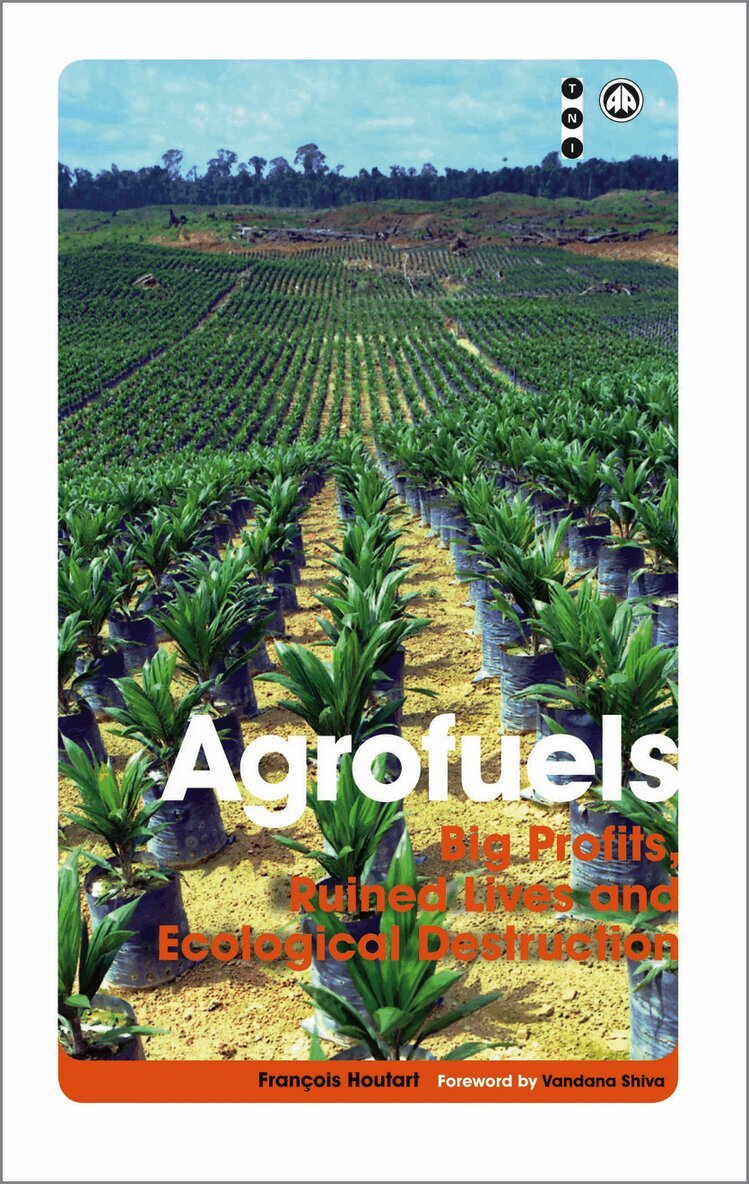
Agrofuels were heralded as a key weapon in the fight against climate change, but the deforestation and theft of agricultural land that was essential to farmers in the developing world, suggests that they are doing more harm than good.Francois Houtart argues that the green potential of agrofuels has been hijacked by businesses that put profits above environmental protection. This has led to the absurd situation where an energy source that should be sustainable actually increases human and ecological damage, simply due to the profit-maximising decisions of capitalists rather than a flaw in the concept of agrofuels.Houtart reveals that we need to rethink neoliberalism's relationship to green politics and ask is capitalism compatible with climate change, or do we need to overhaul our economic system in order to save the planet?
Inbunden, Engelska, 2010
915 kr
Skickas inom 5-8 vardagar
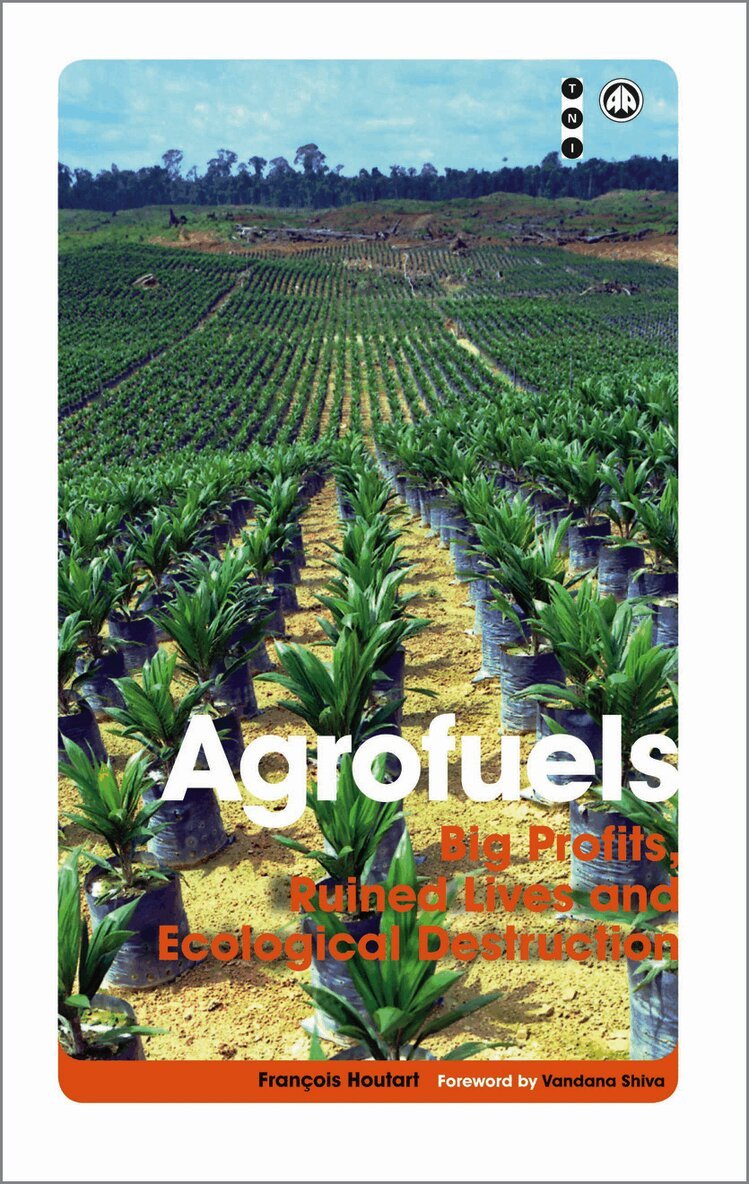
Agrofuels were heralded as a key weapon in the fight against climate change, but the deforestation and theft of agricultural land that was essential to farmers in the developing world, suggests that they are doing more harm than good.Francois Houtart argues that the green potential of agrofuels has been hijacked by businesses that put profits above environmental protection. This has led to the absurd situation where an energy source that should be sustainable actually increases human and ecological damage, simply due to the profit-maximising decisions of capitalists rather than a flaw in the concept of agrofuels.Houtart reveals that we need to rethink neoliberalism's relationship to green politics and ask is capitalism compatible with climate change, or do we need to overhaul our economic system in order to save the planet?
E-bok
Spanska, 201599 kr
Läs direkt efter köp
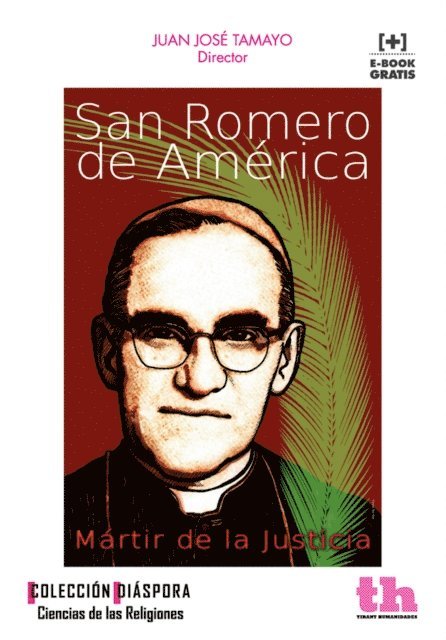
Monseñor Romero, arzobispo de San Salvador, El Salvador (1977-1980), es uno de los símbolos más luminosos del cristianismo liberador no solo de la Iglesia salvadoreña y latinoamericana, sino de la Iglesia universal. Es un referente para creyentes y no creyentes en la lucha por la justicia; para los políticos en la nueva manera de entender y de practicar la relación entre el poder y la ciudadanía; para los dirigentes eclesiásticos en su articulación de la relación entre espiritualidad y opción por los empobrecidos. Desde su asesinato el 24 de marzo de 1980 la figura de Óscar Arnulfo Romero no ha cesado de crecer en todos los ámbitos: continental e intercontinental, nacional e internacional, y a todos los niveles: religioso y político, intercultural e interreligioso, teológico y moral. Un crecimiento que, tras décadas de dudas y vacilaciones por parte del Vaticano, ha culminado con su beatificación por iniciativa del papa Francisco, que está en plena sintonía con el proyecto de Romero de crear una Iglesia de los pobres, libre de los poderes y liberadora de los excluidos, denunciadora de la injusticia estructural y anunciadora de la utopía del reino de Dios en la historia.