Frank Nisetich – författare
Visar alla böcker från författaren Frank Nisetich. Handla med fri frakt och snabb leverans.
3 produkter
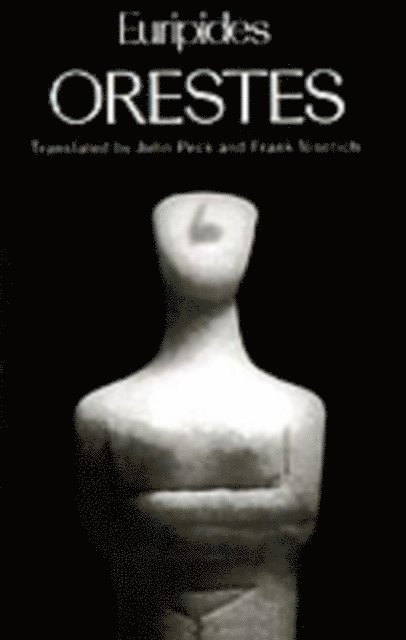
Orestes
Av Frank Nisetich, John Peck m. fl.
E-bok, 1995
300 kr
Lägg i varukorg
Based on the conviction that only translators who write poetry themselves can properly recreate the celebrated and timeless tragedies of Aeschylus, Sophocles, and Euripides, The Greek Tragedy in New Translations series offers new translations that go beyond the literal meaning of the Greek in order …
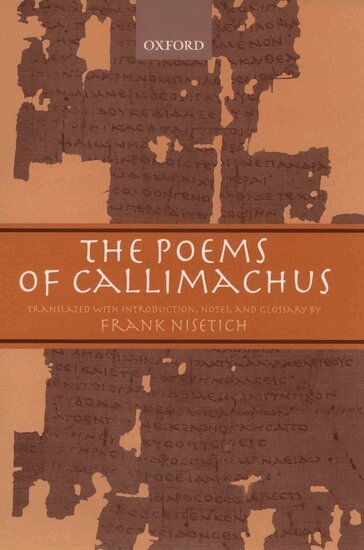
The Poems of Callimachus
Av Callimachus, Frank Nisetich
Inbunden, 2001
2437 kr
Lägg i varukorg
This important new verse translation of the extant works and major fragments of Callimachus includes a full Introduction, covering the poet's life and times, the range of his achievements, and the difficulties in the way of appreciation. It does not offer, as other translations do, a mere selection …
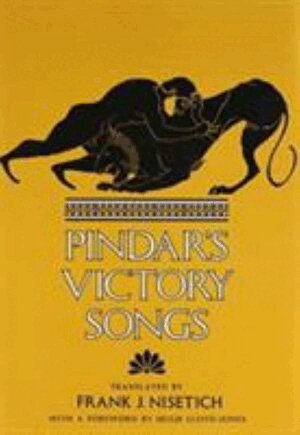
Pindar's Victory Songs
Häftad, 1980
534 kr
Lägg i varukorg
Pindar's victory odes, written in the fifth century B.C. to honor the heroes of the great athletic festivals, are some of the most powerful and intricate works of ancient Greek poetry—and among the most difficult to bring to modern readers. With precise translations that retain Pindar's poetic …