
Fred Kerr – författare
Visar alla böcker från författaren Fred Kerr. Handla med fri frakt och snabb leverans.
17 produkter
17 produkter
Inbunden, Engelska, 2022
273 kr
Skickas
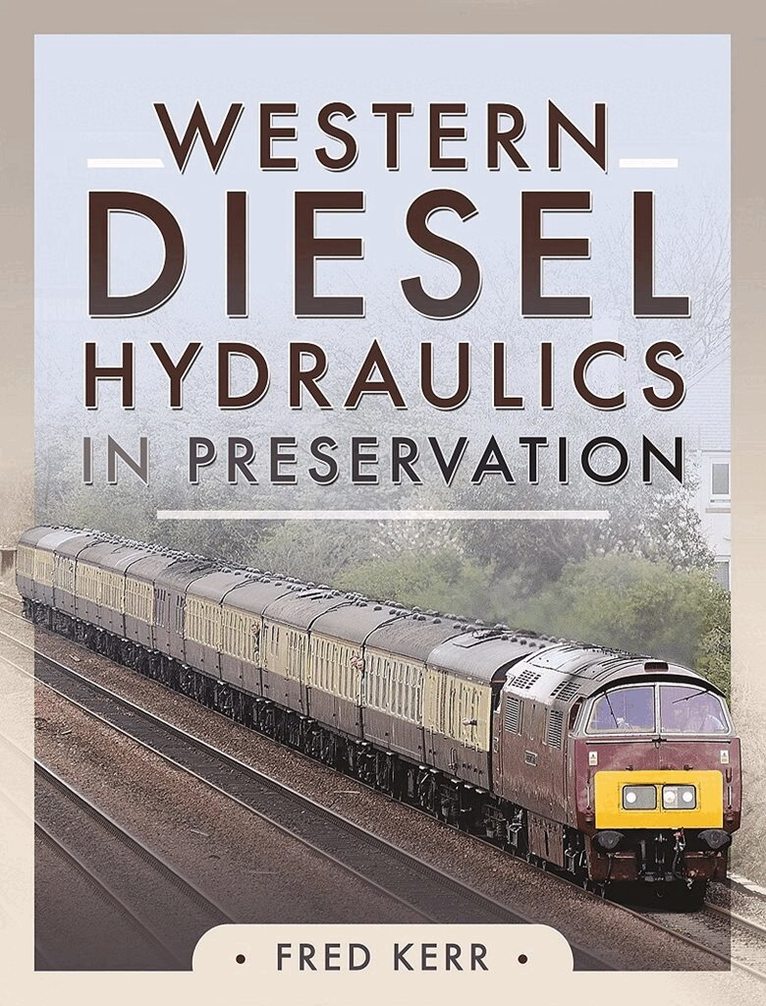
When British Railways initiated its Modernisation Plan in 1955, its Western Region elected to trial locomotive designs with hydraulic transmission whilst BR encouraged designs with electric transmission. The Western Region felt that the lighter weight of 78 tons for a diesel hydraulic locomotive producing 2000 hp, compared to an equivalent weight of 132 tons for a diesel electric locomotive producing 2000 hp, would better meet BR's requirement for a modern locomotive. BR's failure to follow up with its declared policy of having all freight vehicles fitted with brakes saw operators preferring the heavier diesel electric designs which proved more able to operate trains without through brakes at higher speed. The greatest concern was with operating costs whereby the Western Region policy of replacing components at the depot then transferring them to Swindon for repair incurred heavy costs that were reflected in the maintenance cost per locomotive. Given the smaller number of diesel hydraulic locomotives and the larger number of diesel electric locomotives it was little surprise that by the mid-1960s a cost comparison showed that the build and operation of diesel electric locomotives was increasingly cheaper over the long term. Furthermore the increased availability of diesel electric locomotives released by a combination of factors provided an opportunity to replace the diesel hydraulic fleet, which was withdrawn from service during the 1970s. The preservation of redundant locomotives was slow but once it was confirmed, by the preservation of Hymek' Class 35 D7017 in 1975, that public appeals could quickly fund the preservation of withdrawn examples further public appeals followed. In a short space of time 31 locomotives from a mixed fleet of 358 locomotives entered preservation to remind both enthusiasts and the public of a concept (i.e. hydraulic transmission) that had had much to offer but had been dismissed on questionable financial grounds.
E-bok
Engelska, 2022161 kr
Läs direkt efter köp
When British Railways initiated its Modernisation Plan in 1955, its Western Region elected to trial locomotive designs with hydraulic transmission whilst BR encouraged designs with electric transmission. The Western Region felt that the lighter weight of 78 tons for a diesel hydraulic locomotive producing 2000 hp, compared to an equivalent weight of 132 tons for a diesel electric locomotive producing 2000 hp, would better meet BR’s requirement for a modern locomotive. BR’s failure to follow up with its declared policy of having all freight vehicles fitted with brakes saw operators preferring the heavier diesel electric designs which proved more able to operate trains without through brakes at higher speed. The greatest concern was with operating costs whereby the Western Region policy of replacing components at the depot then transferring them to Swindon for repair incurred heavy costs that were reflected in the maintenance cost per locomotive. Given the smaller number of diesel hydraulic locomotives and the larger number of diesel electric locomotives it was little surprise that by the mid-1960s a cost comparison showed that the build and operation of diesel electric locomotives was increasingly cheaper over the long term. Furthermore the increased availability of diesel electric locomotives released by a combination of factors provided an opportunity to replace the diesel hydraulic fleet, which was withdrawn from service during the 1970s. The preservation of redundant locomotives was slow but once it was confirmed, by the preservation of ‘Hymek’ Class 35 D7017 in 1975, that public appeals could quickly fund the preservation of withdrawn examples further public appeals followed. In a short space of time 31 locomotives from a mixed fleet of 358 locomotives entered preservation to remind both enthusiasts and the public of a concept (i.e. hydraulic transmission) that had had much to offer but had been dismissed on questionable financial grounds.
E-bok
PDF, Engelska, 2022161 kr
Läs direkt efter köp
When British Railways initiated its Modernisation Plan in 1955, its Western Region elected to trial locomotive designs with hydraulic transmission whilst BR encouraged designs with electric transmission. The Western Region felt that the lighter weight of 78 tons for a diesel hydraulic locomotive producing 2000 hp, compared to an equivalent weight of 132 tons for a diesel electric locomotive producing 2000 hp, would better meet BR’s requirement for a modern locomotive. BR’s failure to follow up with its declared policy of having all freight vehicles fitted with brakes saw operators preferring the heavier diesel electric designs which proved more able to operate trains without through brakes at higher speed. The greatest concern was with operating costs whereby the Western Region policy of replacing components at the depot then transferring them to Swindon for repair incurred heavy costs that were reflected in the maintenance cost per locomotive. Given the smaller number of diesel hydraulic locomotives and the larger number of diesel electric locomotives it was little surprise that by the mid-1960s a cost comparison showed that the build and operation of diesel electric locomotives was increasingly cheaper over the long term. Furthermore the increased availability of diesel electric locomotives released by a combination of factors provided an opportunity to replace the diesel hydraulic fleet, which was withdrawn from service during the 1970s. The preservation of redundant locomotives was slow but once it was confirmed, by the preservation of ‘Hymek’ Class 35 D7017 in 1975, that public appeals could quickly fund the preservation of withdrawn examples further public appeals followed. In a short space of time 31 locomotives from a mixed fleet of 358 locomotives entered preservation to remind both enthusiasts and the public of a concept (i.e. hydraulic transmission) that had had much to offer but had been dismissed on questionable financial grounds.
E-bok
PDF, Engelska, 202429 kr
Läs direkt efter köp
The city of Edinburgh has always been innovative in its provision of transport ranging from the end of the 19th century when it leased land for the creation of a cable tramway network through operating the same when the lease ended in June 1919 to the current era when it trials a range of vehicles as it seeks to achieve zero carbon emissions by 2030.The company’s maintenance standards are sufficiently high that after 15 years of daily service withdrawn vehicles are valued by the second hand vehicle market and continue in further service with operators for a number of years before being scrapped. while 15 years is the normal working life with the company, this is being shortened as new vehicles are introduced to meet the zero carbon commitment. These changes have increased between 2011 and 2022 and the book illustrates them by photographs of the transport fleets – both buses and trams - operated during that period of change.The operator tries to remain loyal to one supplier but changes within the industry have resulted in a number of different vehicles being purchased; the rationale of the change in supplier is documented as the company returns to previous suppliers.The local transport scene has also seen services disrupted as operators providing services from outside the city boundaries have discontinued services leading to the city operator creating subsidiary companies to provide replacement services. These operate buses initially operated by the city fleet albeit adopting different livery styles that identify their relationship to the city’s transport network.
Inbunden, Engelska, 2022
270 kr
Skickas
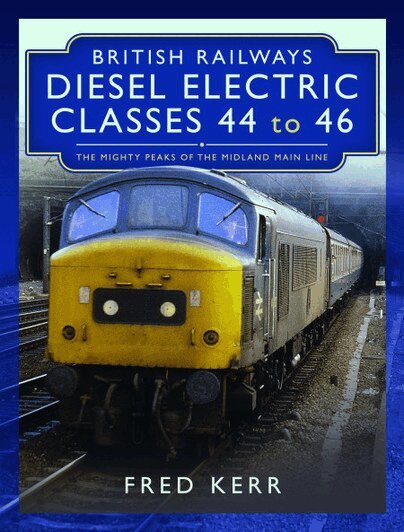
Derby Works introduced the first mainline Diesel to UK service with the production of LMS 10000 in 1947, although mainline diesels had previously been tested on post-Grouping main lines prior to being exported. When British Railways' Modernisation Plan of 1955 was initiated by a Pilot Scheme to identify the best features for a future standard diesel fleet, Derby Works upgraded the design to produce its Type 4 - later Class 44 - locomotive that ultimately spawned 193 locomotives encompassing 3 variants which powered trains throughout the UK network.Fred Kerr lived close to the Midland Main Line in Northamptonshire and observed the class from their introduction in May 1959 to their final withdrawal in the 1980s and has amassed a collection of images showing them working both freight and passenger duties throughout the UK but particularly on the Midland Main Line where the Class 45 variant held sway for nearly 25 years.This album contains images from his extensive collection and, supported by a brief text, reflects the history of the 3 variants by showing the variety of services which they powered and the wide range of locations where class members were to be found.
E-bok
Engelska, 2023174 kr
Läs direkt efter köp
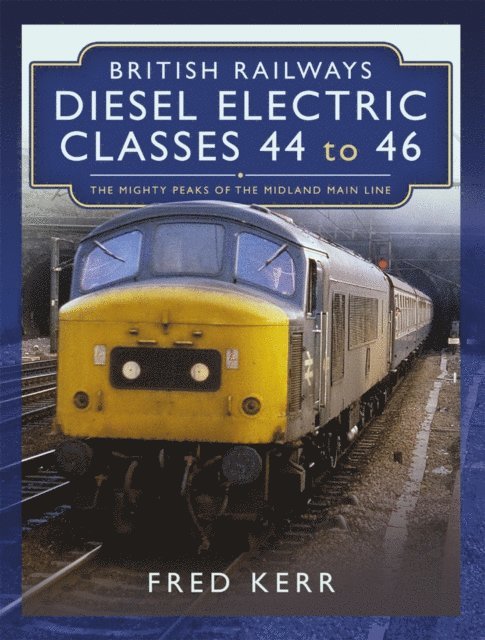
Derby Works introduced the first mainline Diesel to UK service with the production of LMS 10000 in 1947, although mainline diesels had previously been tested on post-Grouping main lines prior to being exported. When British Railways'' Modernization Plan of 1955 was initiated by a Pilot Scheme to identify the best features for a future standard diesel fleet, Derby Works upgraded the design to produce its Type 4 - later Class 44 - locomotive that ultimately spawned 193 locomotives encompassing 3 variants which powered trains throughout the UK network. Fred Kerr lived close to the Midland Main Line in Northamptonshire and observed the class from their introduction in May 1959 to their final withdrawal in the 1980s and has amassed a collection of images showing them working both freight and passenger duties throughout the UK but particularly on the Midland Main Line where the Class 45 variant held sway for nearly 25 years. This album contains images from his extensive collection and, supported by a brief text, reflects the history of the 3 variants by showing the variety of services which they powered and the wide range of locations where class members were to be found.
E-bok
PDF, Engelska, 2023174 kr
Läs direkt efter köp
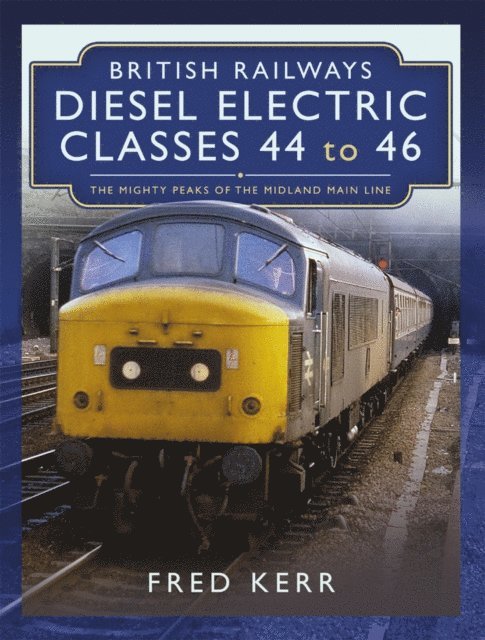
Derby Works introduced the first mainline Diesel to UK service with the production of LMS 10000 in 1947, although mainline diesels had previously been tested on post-Grouping main lines prior to being exported. When British Railways'' Modernization Plan of 1955 was initiated by a Pilot Scheme to identify the best features for a future standard diesel fleet, Derby Works upgraded the design to produce its Type 4 - later Class 44 - locomotive that ultimately spawned 193 locomotives encompassing 3 variants which powered trains throughout the UK network. Fred Kerr lived close to the Midland Main Line in Northamptonshire and observed the class from their introduction in May 1959 to their final withdrawal in the 1980s and has amassed a collection of images showing them working both freight and passenger duties throughout the UK but particularly on the Midland Main Line where the Class 45 variant held sway for nearly 25 years. This album contains images from his extensive collection and, supported by a brief text, reflects the history of the 3 variants by showing the variety of services which they powered and the wide range of locations where class members were to be found.
Inbunden, Engelska, 2022
270 kr
Skickas
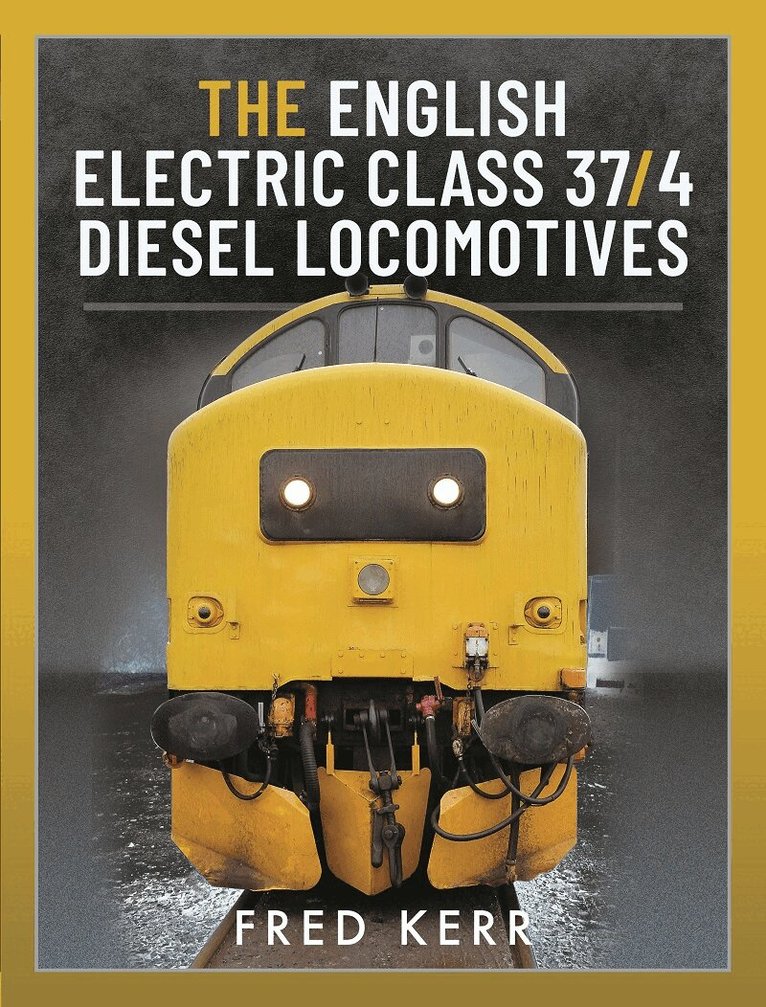
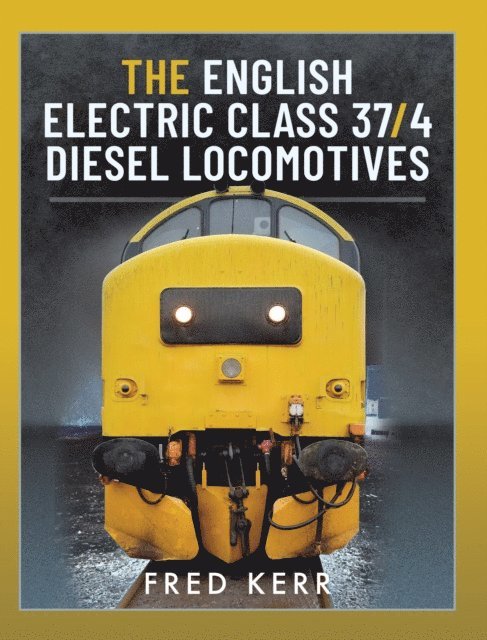
In the prelude to the privatisation of BR the Provincial Sector (later Regional Railways) became responsible for local / secondary train services and initiated the refurbishment of 31 Class 37 locomotives, fitted with train heating equipment - hence designated Class 37/4 - to support the shortfall of DMU trainsets. Their initial task was to work services on Scottish lines radiating from Inverness to points north and Glasgow to service the West Highland Line with a small batch based in South Wales to service Cambrian Line services and services from Cardiff traversing the Marches Line to serve Liverpool.These services were soon replaced by Sprinter trainsets thus releasing the fleet to other duties including freight operators hence, at privatisation in April 1994, the fleet became owned by freight companies who subsequently hired locomotives to both other freight companies and passenger operators.Throughout their working life the fleet members have proved invaluable and capable of powering a variety of services whose history confirms both the locomotives' adaptability and prowess in handling the duties allocated to them.Fred Kerr's book seeks to show this adaptability by detailing the reason for their initial creation and the tasks successfully undertaken once released from their initial roles as support for the shortage of DMU trainsets. The advent of privatisation saw an increased demand for their go-anywhere do anything' ability which is also displayed by the range of photographs that illustrate the wide range of duties performed by class members.Once withdrawn from service some class members were purchased for preservation and - such was their adaptability - that preserved examples were hired by train operators to cover duties that no other class of diesel locomotive was capable of achieving.
E-bok
Engelska, 2022163 kr
Läs direkt efter köp
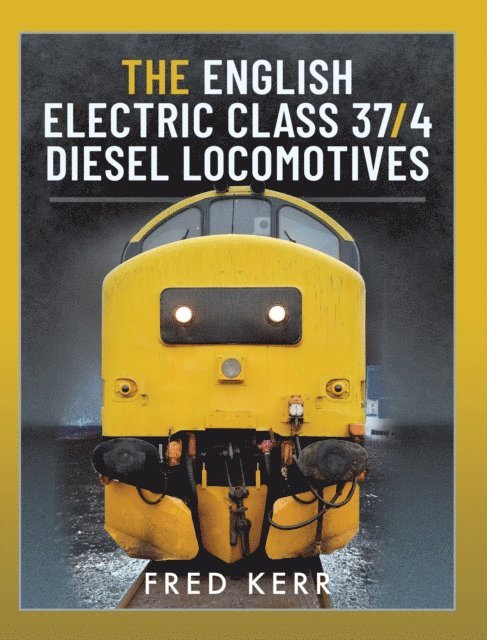
A stunning pictorial survey of the Class 37/4s, covering their operations in Scotland, England, and Wales.In the prelude to the privatisation of British Railways, the Provincial Sector (later Regional Railways) became responsible for local / secondary train services. It initiated the refurbishment of thirty-one Class 37 locomotives, fitted with train heating equipment—hence designated Class 37/4—to support the shortfall of DMU trainsets. Their initial task was to work services on Scottish lines radiating from Inverness to points north and Glasgow to service the West Highland Line with a small batch based in South Wales to service Cambrian Line services and services from Cardiff traversing the Marches Line to serve Liverpool.These services were soon replaced by Sprinter trainsets thus releasing the fleet to other duties including freight operators hence, at privatisation in April 1994, the fleet became owned by freight companies who subsequently hired locomotives to both other freight companies and passenger operators.Throughout their working life, the fleet members have proved invaluable and capable of powering a variety of services whose history confirms both the locomotives’ adaptability and prowess in handling the duties allocated to them.Fred Kerr’s book seeks to show this adaptability by detailing the reason for their initial creation and the tasks successfully undertaken once released from their initial roles as support for the shortage of DMU trainsets. The advent of privatisation saw an increased demand for their ‘go-anywhere do anything’ ability which is also displayed by the range of photographs that illustrate the wide range of duties performed by class members.Once withdrawn from service some class members were purchased for preservation and—such was their adaptability—that preserved examples were hired by train operators to cover duties that no other class of diesel locomotive was capable of achieving.
E-bok
PDF, Engelska, 2022161 kr
Läs direkt efter köp
A stunning pictorial survey of the Class 37/4s, covering their operations in Scotland, England, and Wales.In the prelude to the privatisation of British Railways, the Provincial Sector (later Regional Railways) became responsible for local / secondary train services. It initiated the refurbishment of thirty-one Class 37 locomotives, fitted with train heating equipment—hence designated Class 37/4—to support the shortfall of DMU trainsets. Their initial task was to work services on Scottish lines radiating from Inverness to points north and Glasgow to service the West Highland Line with a small batch based in South Wales to service Cambrian Line services and services from Cardiff traversing the Marches Line to serve Liverpool.These services were soon replaced by Sprinter trainsets thus releasing the fleet to other duties including freight operators hence, at privatisation in April 1994, the fleet became owned by freight companies who subsequently hired locomotives to both other freight companies and passenger operators.Throughout their working life, the fleet members have proved invaluable and capable of powering a variety of services whose history confirms both the locomotives’ adaptability and prowess in handling the duties allocated to them.Fred Kerr’s book seeks to show this adaptability by detailing the reason for their initial creation and the tasks successfully undertaken once released from their initial roles as support for the shortage of DMU trainsets. The advent of privatisation saw an increased demand for their ‘go-anywhere do anything’ ability which is also displayed by the range of photographs that illustrate the wide range of duties performed by class members.Once withdrawn from service some class members were purchased for preservation and—such was their adaptability—that preserved examples were hired by train operators to cover duties that no other class of diesel locomotive was capable of achieving.
E-bok
Engelska, 2021126 kr
Läs direkt efter köp
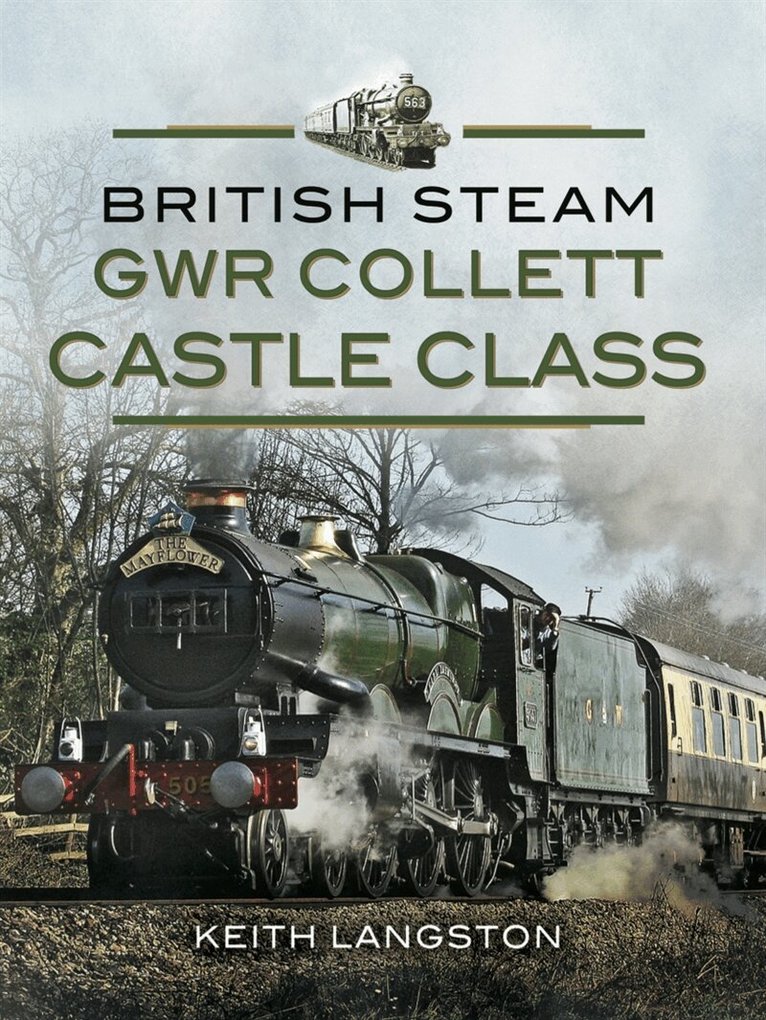
The 'Castle' class 4-6-0 locomotives designed by Charles Collett and built at Swindon Works were the principal passenger locomotives of the Great Western Railway. The 4-cylinder locomotives were built in batches between 1923 and 1950, the later examples being constructed after nationalisation by British Railways.
In total 171 engines of the class were built and they were originally to be seen at work all over the Great Western Railway network, and later working on the Western Region of British Railways.
The highly successful class could be described as a GWR work in progress, because further development took place over almost all of the locomotives working lives. In addition to inspiring other locomotive designers the 'Castle' class engines were proved to be capable of outstanding performances, and when introduced were rightly described as being 'Britain's most powerful passenger locomotives'. Some of the 'Castles' survived in service for over 40 years, and individually clocked up just a little short of 2 million miles in traffic.
In this book, Keith Langston provides a definitive chronological history of the iconic class together with archive photographic records of each GWR 'Castle' locomotive. Many of the 300 plus images are published for the first time. In addition background information on the origin of the names the engines carried, including details of the many name changes which took place, are also included. The extra anecdotal information adds a fascinating glimpse of social history.
Collett CASTLE Class is a lavishly illustrated factual reference book which will delight steam railway enthusiasts in general and in particular those with a love of all things Great Western!
E-bok
Engelska, 2021122 kr
Läs direkt efter köp
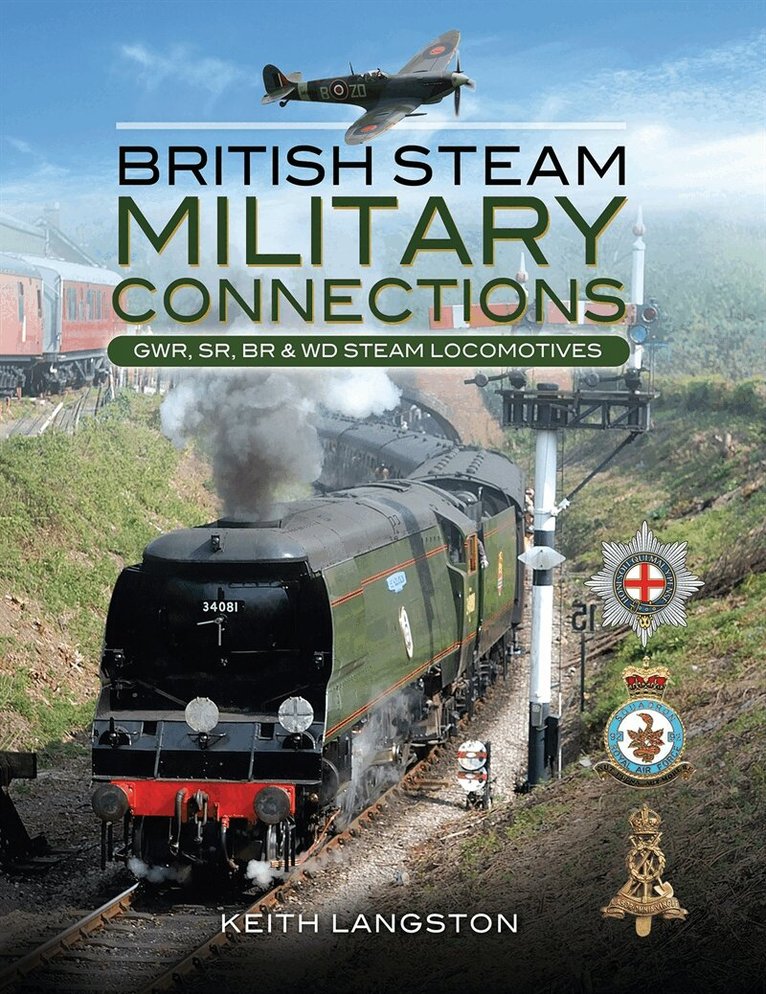
In Great Britain there existed a practice of naming steam locomotives. The names chosen covered many and varied subjects, however a large number of those represented direct links with military personnel, regiments, squadrons, naval vessels, aircraft, battles and associated historic events. For example, all but one member of the famous ‘Royal Scot’ class were named in honor of British regiments. Also the Southern Railway created a ‘Battle of Britain’ class of locomotives, which were named in recognition of Battle of Britain squadrons, airfields, aircraft and personnel. In addition, the Great Western Railway renamed some of its engines after Second World War aircraft. The tradition has continued into modern times as the newly built ‘A1’ class locomotive is named ‘Tornado’ in recognition of the jet fighter aircraft of the same name. This generously illustrated publication highlights the relevant steam locomotives and additionally examines the origin of the military names.EPUB3: Reflowable
E-bok
Engelska, 2021122 kr
Läs direkt efter köp
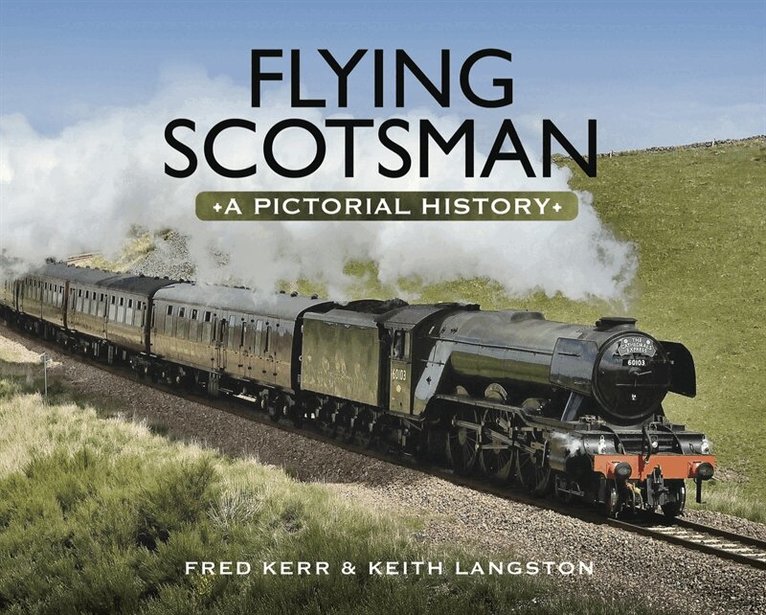
Built at Doncaster works in 1923 the Nigel Gresley designed then-‘A1’ class Pacific (4-6-2) first entered service as No 1472. The new locomotive did not receive a name until it was sent for display at a Wembley exhibition in 1924, and then the name Fying Scotsman was chosen. The Legend was born. In 1928 the London North Eastern Railway (LNER) express steam locomotive hauled the first nonstop service from London to Edinburgh and in 1934 went on to break through the 100mph barrier.In addition to regularly hauling express trains for the LNER and later British Railways (BR), the Gresley steam icon has also traveled to, and worked passenger trains in, North America and Australia. Withdrawn by BR in January 1963 as BR No 60103, the locomotive was bought for preservation and soon became a regular sight on mainline specials and at preserved railways. The locomotive’s history in preservation is an interesting if not chequered one, however stability is now assured as Flying Scotsman has rightly become a part of the national collection administered by the National Railway Museum (NRM). The excitement which surrounded the return to steam of Flying Scotsman in 2016, and the ongoing celebrity status afforded to the famous Gresley designed engine, are perchance confirmation of the fact that it is ‘The World’s Most Famous Steam Locomotive’. The ‘most famous’ phrase entered into locomotive preservation folklore when first broadcast by John Noakes, a BBC TV Blue Peter presenter. A great many words have been written about the engineering specification and ‘in service’ performance of Flying Scotsman. Accordingly, this keepsake publication simply uses carefully selected images, dating from the BR steam era to the present day, to celebrate the ‘Return of the Legend’. This publication includes a selection of QR Codes with links to items of film footage.EPUB3: Reflowable
Inbunden, Engelska, 2020
334 kr
Skickas
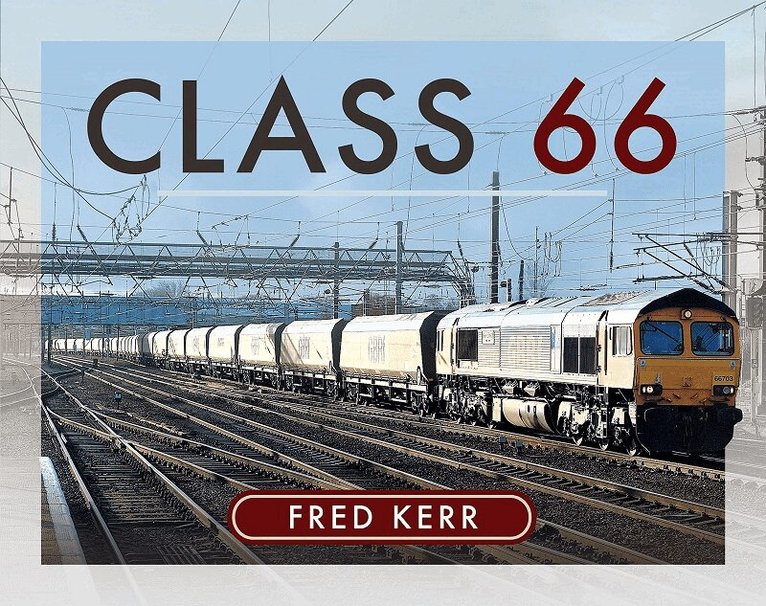
When British Railways (BR) was privatised in April 1994 some of the freight companies were bought by English Welsh Scottish Railways (EWSR), which immediately reviewed the mixed locomotive fleet and led to the decision to purchase 250 locomotives from General Motors (USA), based on that company's earlier Class 59 design supplied to Foster Yeoman in 1985\. Delivered to Newport Docks each locomotive was lubricated, filled with fuel and water and released to traffic within hours of being craned onto the quayside.The early privatised freight market was geared to the heavy industries but the changes of Government policies to counteract global warming has seen consequent changes in freight operations whilst global trading has seen massive growth in the movement of containers between ports and inland distribution centres.This changing market has encouraged both existing and new operators to base operations on a reliable locomotive fleet which has been met by the Class 66 design. The expansion of the locomotive's operating area has been recorded within the book through a regional analysis noting both the freight services operated within the region and the companies providing them. This also notes changes of operators, both by exchange of locomotives and exchange of hauler as contracts are re-negotiated at regular intervals.Fred Kerr's book seeks to show, as at October 2019, the range of services that have been operated by class members, including the occasional passenger services despite the locomotives not being fitted with any heat generating equipment.
Inbunden, Engelska, 2022
280 kr
Skickas
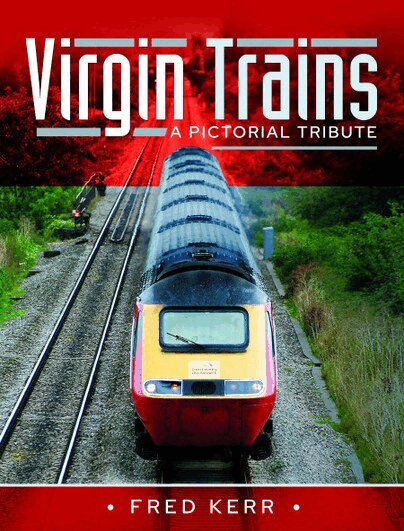
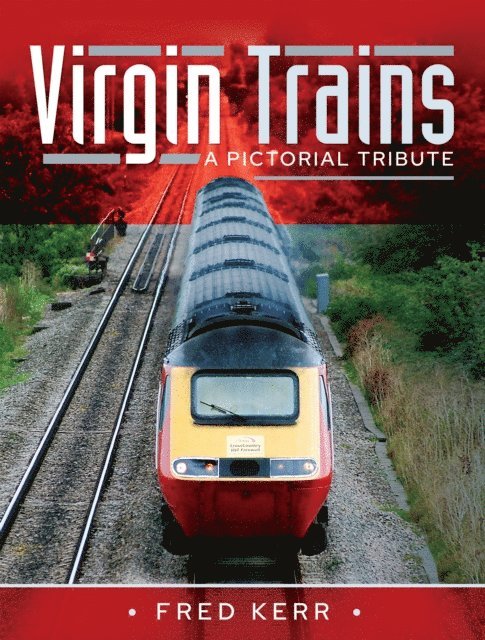
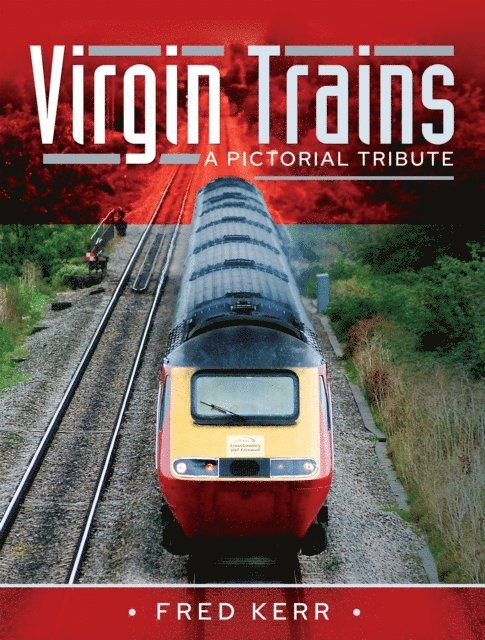
When British Railways (BR) was privatised in April 1994 a series of passenger franchises was created that included services on both the East Coast Main Line (ECML) and competing West Coast Main Line (WCML) routes.The WCML franchise was won by Virgin Trains and it quickly set about improving service by introducing a range of standard trainsets to replace the variety of traction fleets that it had inherited. It also became a constant critic of Government policy which promised much but offered little as the company found itself battling to establish the standards of service that it had promised within its franchise agreement but found other bodies within the industry reluctant to support.Fred Kerr lives at Southport hence his nearness to the WCML and his book seeks to illustrate the period of changes that Virgin Trains initiated from the immediate application of a startling livery to the introduction of new trainsets and the problems of establishing a new timetable to make the most of the new trainsets.The operation of the WCML franchise identified problems with both the nature and structure of the franchise system which were exemplified when the company finally managed to win the ECML franchise although it surrendered the latter when major problems were identified by the company.The company subsequently lost the WCML franchise and hence its involvement with train operations within the United Kingdom and Fred Kerr's book seeks to explain the history of Virgin Trains involvement in train operations through a comprehensive collection of photographs showing the traction fleet that it inherited and the new fleets it introduced to service.
E-bok
Engelska, 202229 kr
Läs direkt efter köp
When British Railways (BR) was privatised in April 1994 a series of passenger franchises was created that included services on both the East Coast Main Line (ECML) and competing West Coast Main Line (WCML) routes. The WCML franchise was won by Virgin Trains and it quickly set about improving service by introducing a range of standard trainsets to replace the variety of traction fleets that it had inherited. It also became a constant critic of Government policy which promised much but offered little as the company found itself battling to establish the standards of service that it had promised within its franchise agreement but found other bodies within the industry reluctant to support. Fred Kerr lives at Southport hence his nearness to the WCML and his book seeks to illustrate the period of changes that Virgin Trains initiated from the immediate application of a startling livery to the introduction of new trainsets and the problems of establishing a new timetable to make the most of the new trainsets. The operation of the WCML franchise identified problems with both the nature and structure of the franchise system which were exemplified when the company finally managed to win the ECML franchise although it surrendered the latter when major problems were identified by the company. The company subsequently lost the WCML franchise and hence its involvement with train operations within the United Kingdom and Fred Kerr’s book seeks to explain the history of Virgin Trains involvement in train operations through a comprehensive collection of photographs showing the traction fleet that it inherited and the new fleets it introduced to service.
E-bok
PDF, Engelska, 202230 kr
Läs direkt efter köp
When British Railways (BR) was privatised in April 1994 a series of passenger franchises was created that included services on both the East Coast Main Line (ECML) and competing West Coast Main Line (WCML) routes. The WCML franchise was won by Virgin Trains and it quickly set about improving service by introducing a range of standard trainsets to replace the variety of traction fleets that it had inherited. It also became a constant critic of Government policy which promised much but offered little as the company found itself battling to establish the standards of service that it had promised within its franchise agreement but found other bodies within the industry reluctant to support. Fred Kerr lives at Southport hence his nearness to the WCML and his book seeks to illustrate the period of changes that Virgin Trains initiated from the immediate application of a startling livery to the introduction of new trainsets and the problems of establishing a new timetable to make the most of the new trainsets. The operation of the WCML franchise identified problems with both the nature and structure of the franchise system which were exemplified when the company finally managed to win the ECML franchise although it surrendered the latter when major problems were identified by the company. The company subsequently lost the WCML franchise and hence its involvement with train operations within the United Kingdom and Fred Kerr’s book seeks to explain the history of Virgin Trains involvement in train operations through a comprehensive collection of photographs showing the traction fleet that it inherited and the new fleets it introduced to service.