Fred McGlade – författare
Visar alla böcker från författaren Fred McGlade. Handla med fri frakt och snabb leverans.
6 produkter
6 produkter
E-bok
Engelska, 2021123 kr
Läs direkt efter köp
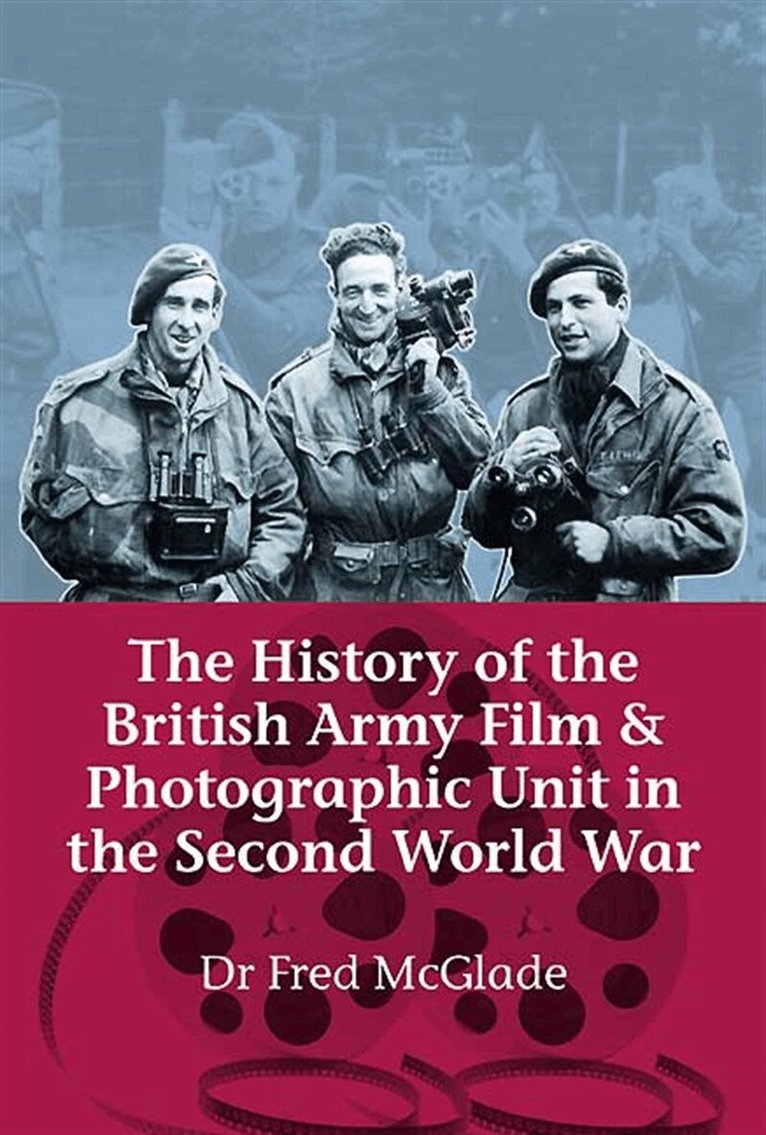
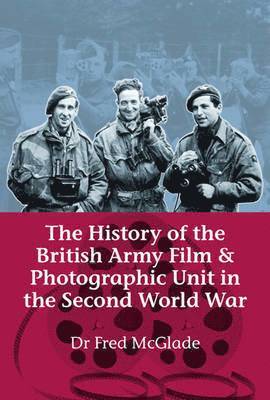
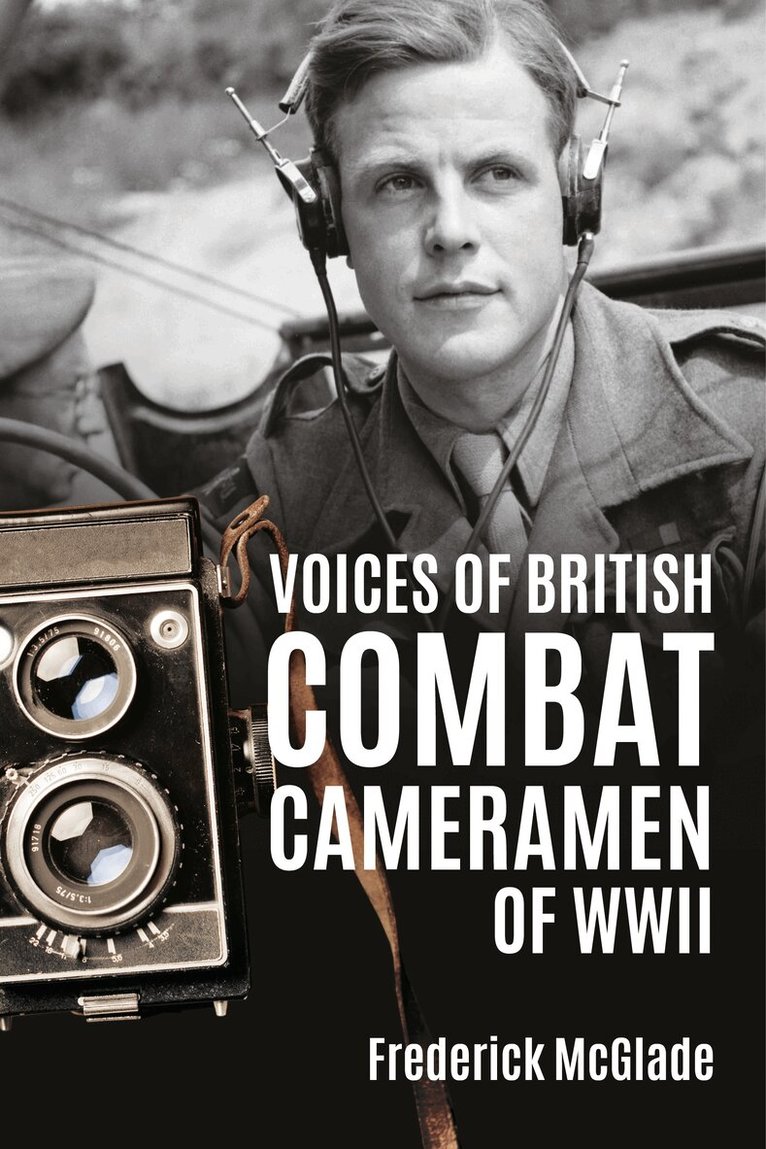
At the beginning of the Second World War the Nazi hierarchy at an early stage, had fully recognized the importance of controlling the depiction of military conflict in order to ensure the continued morale of their combat troops by providing a bridge between the soldiers and their families. Promoting the use of photographic record also allowed the Nazis to exercise control over negative depictions of the war. In contrast, the British military and political decision makers were reluctance to embrace any potential propaganda benefits of film and photographic material in the build up to and the early months of the Second World War. Military commanders in the field were conscious that their tactical blunders could be recorded on film and still photographs and made available to the British public. Visions such as the First World War use of troops as fodder for machine guns and the ensuing mud-coated corpses of British troops were not the sort of record of the conflict that British generals in the field were willing to contemplate. British politicians and their generals feared that a realistic presentation of the horror of war could have an adverse effect on recruiting. However, pressure was to come from across the Atlantic where the refusal to allow reporting of the war was harming Britain's cause in the United States and British diplomats overseas reported that the Germans were winning the propaganda war throughout the unoccupied countries of Europe. This belated acceptance of the need for open reporting of the conflict meant that when it was finally accepted as useful the P.R.2 Section (Public Relations) at the War Office and the British Military found itself in a 'catch up' situation. Despite the disadvantages of such a slow start, the British combat cameramen grew in strength throughout the conflict, producing films such as Desert Victory, Tunisian Victory, Burma Victory, The True Glory and a huge stock of both cine and still material lodged as 'Crown Property' in the Imperial War Museum, London. The British Army Film and Photographic Unit's material represents some of the most frequently used records of historical events and key figures of the period. It is utilized by film producers and television program makers without the camera men who shot the footage being listed in program credits. This book does not seek to denigrate the work of others such as Accredited War Correspondents but it does seek to accord to the combat camera men of the A.F.P.U. the recognition they are entitled to, but have never received, for their enormous and unique contribution to the historical record of the Second World War. Based on memoirs, personal letters and interviews with the AFPU camera men, this book reveals the development of the unit and tells the human story of men who used cameras as weapons of war.
E-bok
Engelska, 2021128 kr
Läs direkt efter köp
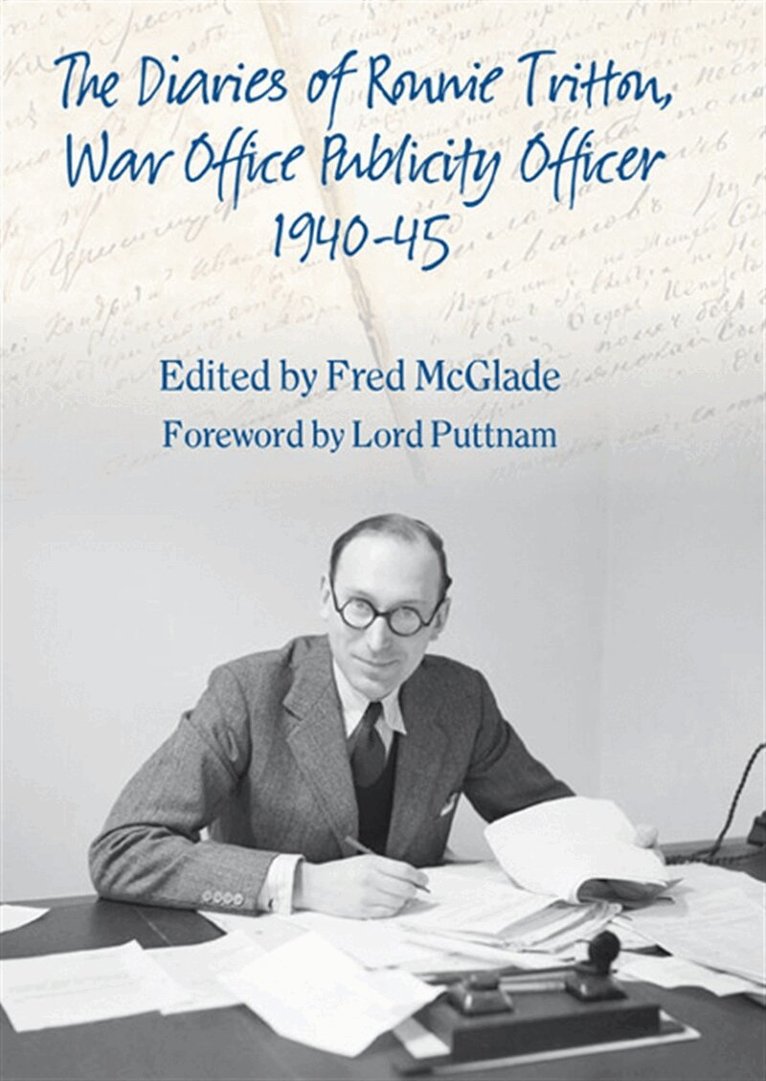
The diary kept by Ronald Edward Tritton is a revealing and often frank record of the internal conflicts at the Public Relations Department of the War Office and the Ministry of Information during the Second World War. Ronald Tritton was recruited in 1940 for the position of War Office Publicity Officer by Major-General Beith, Director of Public Relations at the War Office, to transform the dysfunctional department. The first civilian to hold the post, it was hoped his professional skills gained in Public Relations for the Savoy Hotel Group would be a valuable tool to overcome the British Army's negativity towards the use of any form of visual publicity. Internal conflicts between the service film units, the newsreel companies and the Americans proved a difficult balancing act for Tritton, as these diaries reveal. They are also an invaluable source of evidence not only for the growth and war effort of the Army Film Unit /Army Film & Photographic Unit, but also for the newsreels. With the support of Major-General Edgeworth-Johnstone, the Assistant Director of Public Relations, Ronald Tritton became the catalyst for the British Army Film and Photographic Unit, despite considerable military and political opposition. This unit was to grow in strength and professionalism throughout the conflict, producing some of the most frequently used film and photographic material of the war. The diaries also provide a record of life at the Savoy Hotel, London, during the Second World War (Tritton was on a retainer there and counted David Niven amongst his friends) and a wonderfully evocative, almost tangible sense, of London and life in the south of England during those years.
313 kr
Tillfälligt slut
Häftad, Engelska, 2012
376 kr
Tillfälligt slut
624 kr
Tillfälligt slut
Häftad, Engelska, 2016
262 kr
Tillfälligt slut