Fred Weir – författare
Visar alla böcker från författaren Fred Weir. Handla med fri frakt och snabb leverans.
8 produkter
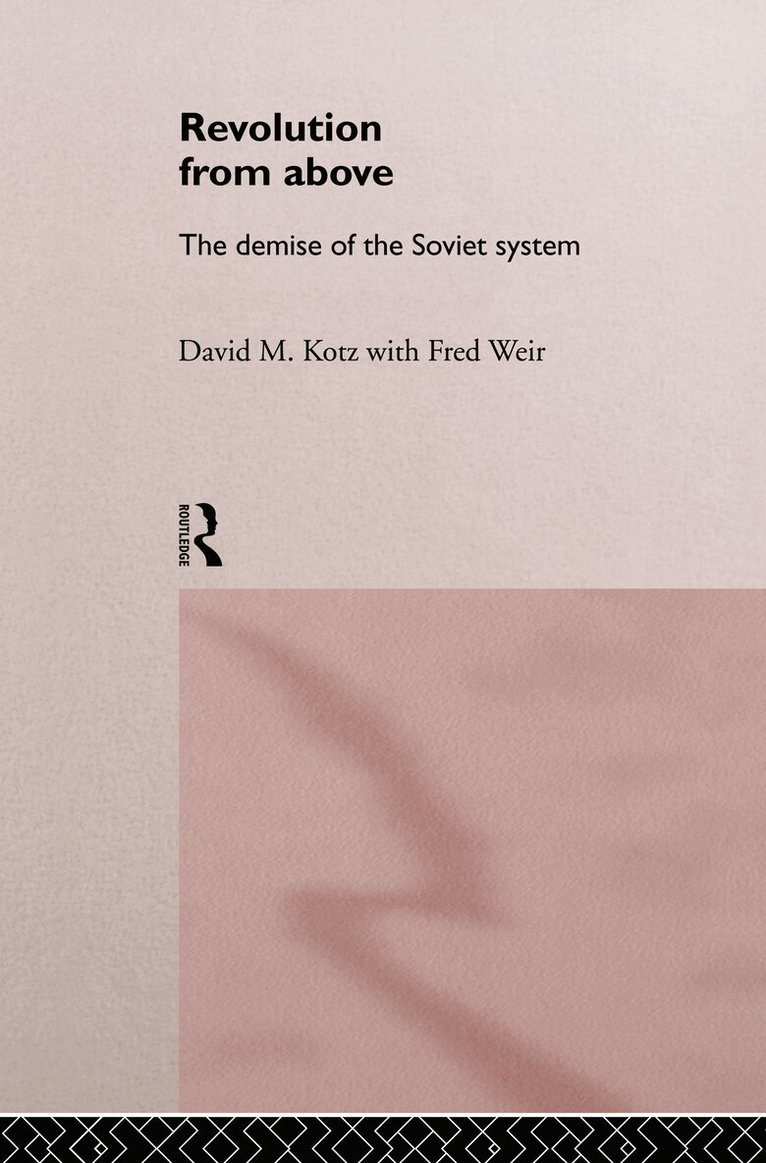
Revolution From Above
The Demise of the Soviet System
Av David Kotz, Fred Weir
Inbunden, 1997
3154 kr
Lägg i varukorg
Controversially this book argues that the ruling party-state elite in the USSR itself moved to dismantle the old system. Topics discussed include:* the beginnings of economic decline in 1975* Gorbachev's efforts to democratize and decentralize* the complex political battle through which the …
Revolution From Above
The Demise of the Soviet System
Av David Kotz, Fred Weir
Häftad, 1997
1071 kr
Lägg i varukorg
Controversially this book argues that the ruling party-state elite in the USSR itself moved to dismantle the old system. Topics discussed include:* the beginnings of economic decline in 1975* Gorbachev's efforts to democratize and decentralize* the complex political battle through which the …
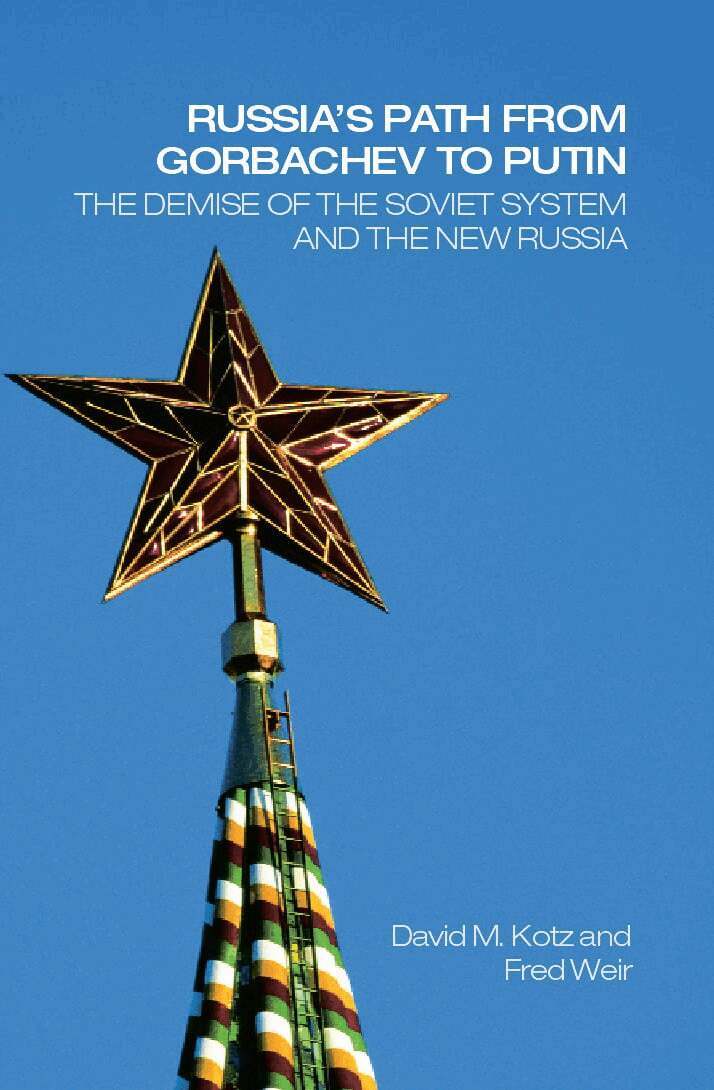
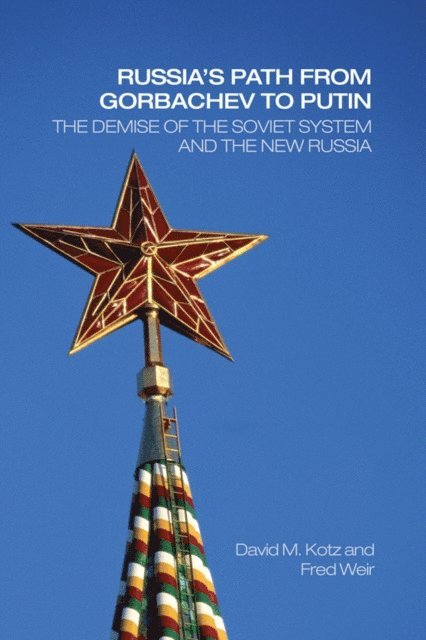
Russia's Path from Gorbachev to Putin
The Demise of the Soviet System and the New Russia
Av David Kotz, Fred Weir
Inbunden, 2007
3154 kr
Lägg i varukorg
Over the past few years, many of the former Communist-rule countries of Central and Eastern Europe have taken a steady path toward becoming more or less normal capitalist countries - with Poland and Hungary cases in point.Russia, on the other hand, has experienced extreme difficulties in its …
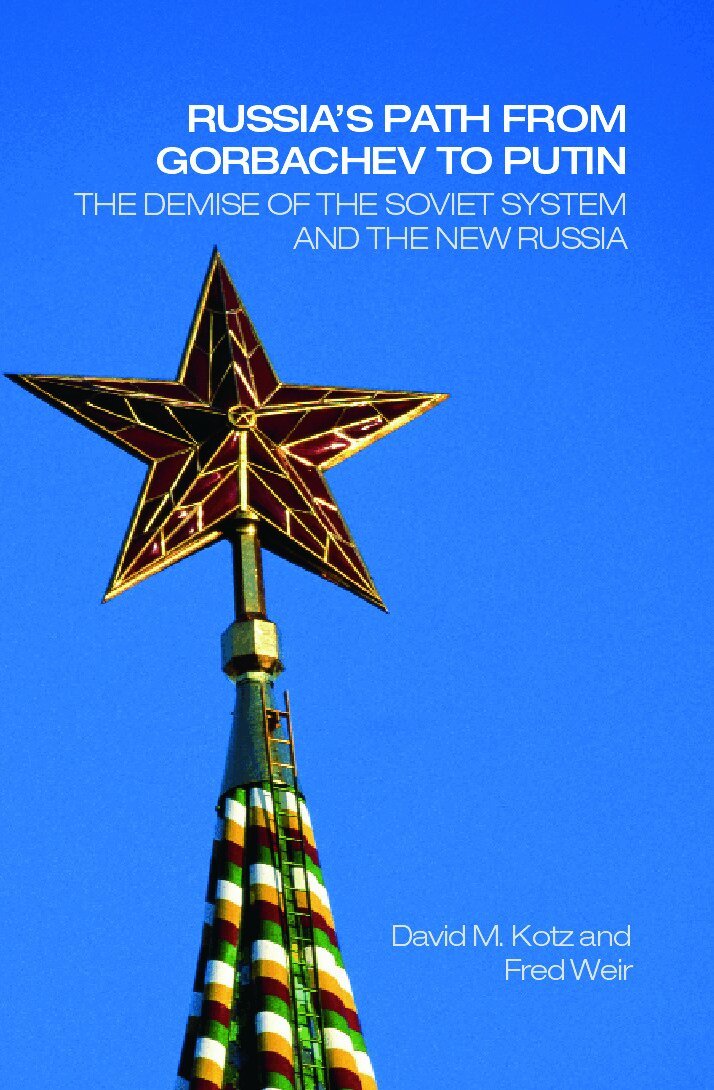
Russia's Path from Gorbachev to Putin
The Demise of the Soviet System and the New Russia
Av David Kotz, Fred Weir
Häftad, 2007
1071 kr
Lägg i varukorg
Over the past few years, many of the former Communist-rule countries of Central and Eastern Europe have taken a steady path toward becoming more or less normal capitalist countries - with Poland and Hungary cases in point.Russia, on the other hand, has experienced extreme difficulties in its …
Revolution From Above
The Demise of the Soviet System
Av Fred Weir, David Kotz
E-bok, 2013
1266 kr
Lägg i varukorg
Controversially this book argues that the ruling party-state elite in the USSR itself moved to dismantle the old system. Topics discussed include:* the beginnings of economic decline in 1975* Gorbachev''s efforts to democratize and decentralize* the complex political battle through which the …
Revolution From Above
The Demise of the Soviet System
Av Fred Weir, David Kotz
E-bok, 2013
1266 kr
Lägg i varukorg
Controversially this book argues that the ruling party-state elite in the USSR itself moved to dismantle the old system. Topics discussed include:* the beginnings of economic decline in 1975* Gorbachev''s efforts to democratize and decentralize* the complex political battle through which the …
Russia's Path from Gorbachev to Putin
The Demise of the Soviet System and the New Russia
Av Fred Weir, David Kotz
E-bok, 2007
1239 kr
Lägg i varukorg
Over the past few years, many of the former Communist-rule countries of Central and Eastern Europe have taken a steady path toward becoming more or less normal capitalist countries - with Poland and Hungary cases in point. Russia, on the other hand, has experienced extreme difficulties in its …
Russia's Path from Gorbachev to Putin
The Demise of the Soviet System and the New Russia
Av Fred Weir, David Kotz
E-bok, 2007
1239 kr
Lägg i varukorg
Over the past few years, many of the former Communist-rule countries of Central and Eastern Europe have taken a steady path toward becoming more or less normal capitalist countries - with Poland and Hungary cases in point. Russia, on the other hand, has experienced extreme difficulties in its …