Frederick Vaughan – författare
Visar alla böcker från författaren Frederick Vaughan. Handla med fri frakt och snabb leverans.
10 produkter
Canadian Federalist Experiment
From Defiant Monarchy to Reluctant Republic
E-bok, 2003
1072 kr
Lägg i varukorg
He then argues that Trudeau''s 1982 Charter quietly undermined the monarchic character of the constitution by introducing republican principles of government. The result has been old institutional structures at odds with the republican ambitions, leaving Canada clinging to the wreckage of the old …
The Supreme Court of Canada: History of the Institution
Av James G. Snell, Frederick Vaughan
Häftad, 1985
637 kr
Lägg i varukorg
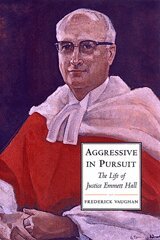
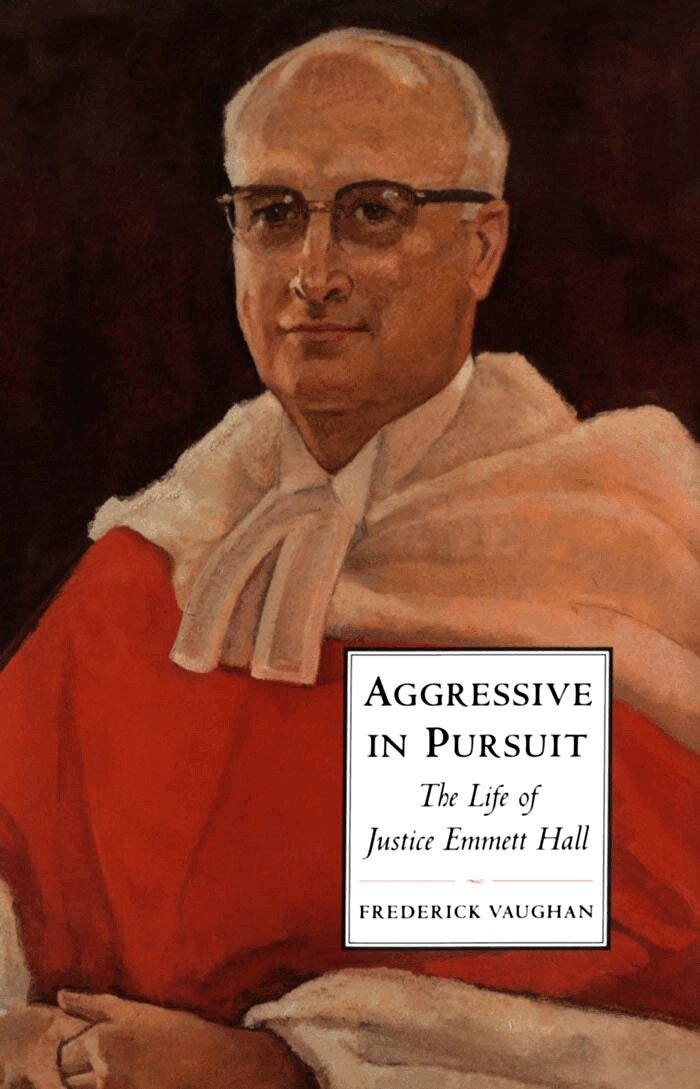
Aggressive in Pursuit
The Life of Justice Emmett Hall
Inbunden, 2004
765 kr
Lägg i varukorg
Few people have had a greater impact on the lives of Canadians than the late Supreme Court judge Justice Emmett Hall. At the forefront of several important judgements in the 1960s and 70s – such as Truscott and Calder – Hall is perhaps best known for his role in the adoption of universal health …
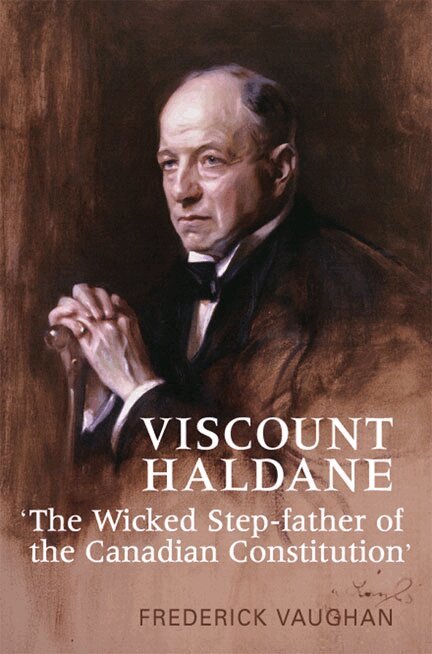
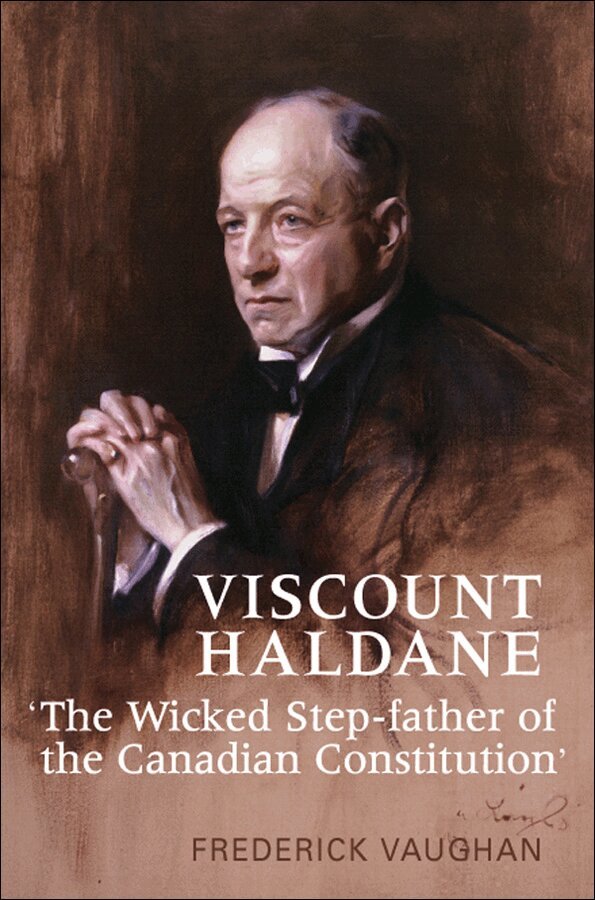
Viscount Haldane
'the Wicked Step-father of the Canadian Constitution'
Inbunden, 2010
837 kr
Lägg i varukorg
Viscount Richard Burdon Haldane was a philosopher, lawyer, British MP, and member of the British Cabinet during the First World War. He is best known to Canadians as a judge of the Judicial Committee of the Privy Council (Canada's highest court of appeal until 1949), in which role he was extremely …
Aggressive in Pursuit
The Life of Justice Emmett Hall
E-bok, 2004
1004 kr
Lägg i varukorg
Few people have had a greater impact on the lives of Canadians than the late Supreme Court judge Justice Emmett Hall. At the forefront of several important judgements in the 1960s and 70s – such as Truscott and Calder – Hall is perhaps best known for his role in the adoption of universal health …
Viscount Haldane
The Wicked Step-father of the Canadian Constitution
E-bok, 2010
938 kr
Lägg i varukorg
Viscount Richard Burdon Haldane was a philosopher, lawyer, British MP, and member of the British Cabinet during the First World War. He is best known to Canadians as a judge of the Judicial Committee of the Privy Council (Canada's highest court of appeal until 1949), in which role he was extremely …
Viscount Haldane
'the Wicked Step-father of the Canadian Constitution'
E-bok, 2010
1073 kr
Lägg i varukorg
Viscount Richard Burdon Haldane was a philosopher, lawyer, British MP, and member of the British Cabinet during the First World War. He is best known to Canadians as a judge of the Judicial Committee of the Privy Council (Canada's highest court of appeal until 1949), in which role he was extremely …
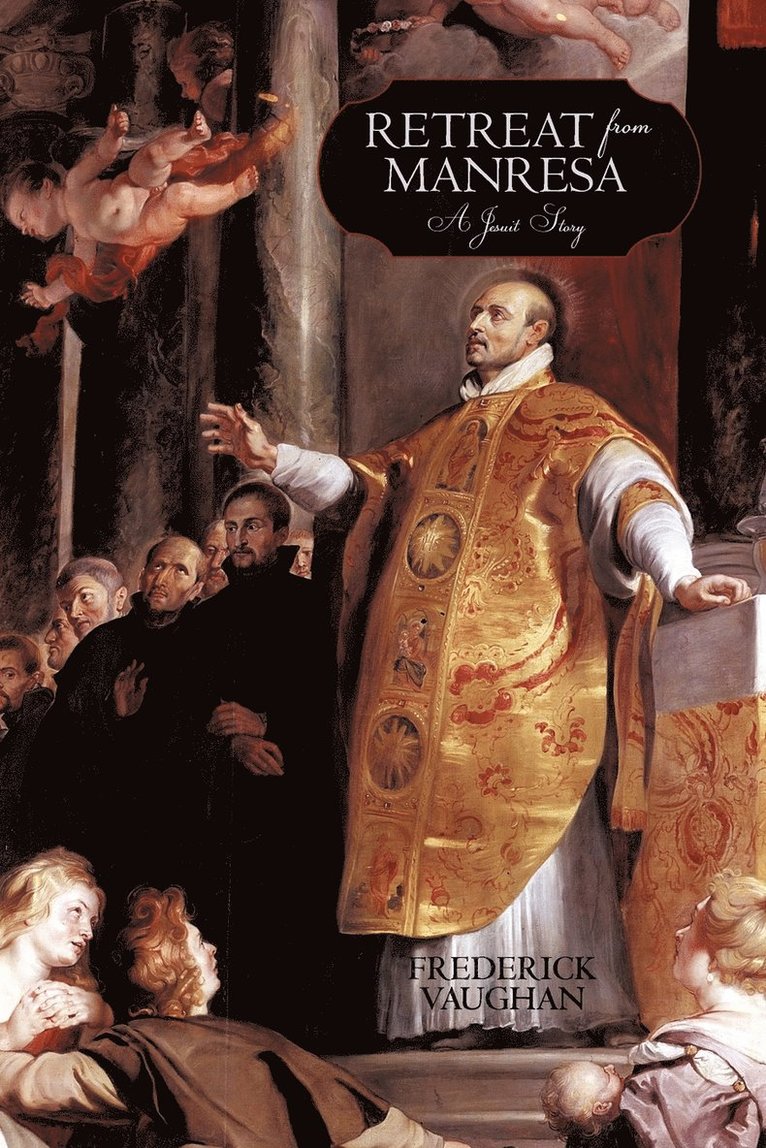
Retreat from Manresa
A Jesuit Story
E-bok, 2011
137 kr
Lägg i varukorg
A dedicated Jesuit priest struggles to understand the decline of the Society of Jesus and turns to former students for guidance in this intriguing novel. Retreat from Manresa: a Jesuit Story At the heart of the modern decline in the influence of the Catholic Church is the story of the decline in …
Supreme Court of Canada
History of the Institution
Av James G. Snell, Frederick Vaughan
E-bok, 1985
504 kr
Lägg i varukorg
Unknown and uncelebrated by the public, overshadowed and frequently overruled by the Privy Council, the Supreme Court of Canada before 1949 occupied a rather humble place in Canadian jurisprudence as an intermediate court of appeal. Today its name more accurately reflects its function: it is the …