
Frieder DAnkel – författare
584 kr
Läs direkt efter köp
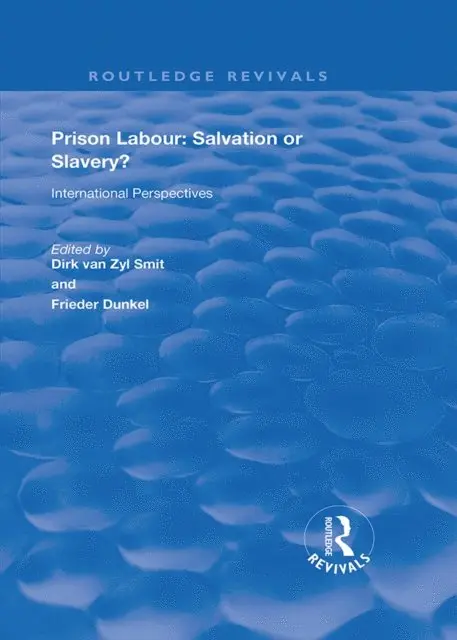
First published in 1999, this collection of articles responds to the controversial debate on whether prison labour constitutes betterment or slave labour. The volume is a stock-taking exercise designed to elicit basic information as a foundation for reconsidering fixed assumptions about prison labour. This controversial issue has had sometimes diametrically opposed claims about it over the years. Contributors examine the issue within the context of a range of countries, alongside broader perspectives on international elements and reflections.
605 kr
Läs direkt efter köp
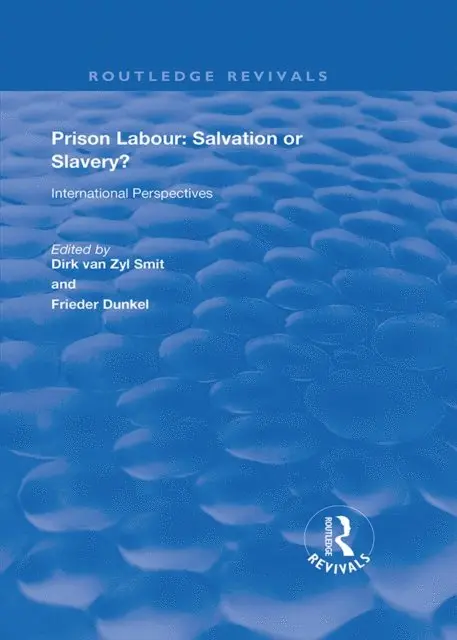
First published in 1999, this collection of articles responds to the controversial debate on whether prison labour constitutes betterment or slave labour. The volume is a stock-taking exercise designed to elicit basic information as a foundation for reconsidering fixed assumptions about prison labour. This controversial issue has had sometimes diametrically opposed claims about it over the years. Contributors examine the issue within the context of a range of countries, alongside broader perspectives on international elements and reflections.
696 kr
Läs direkt efter köp
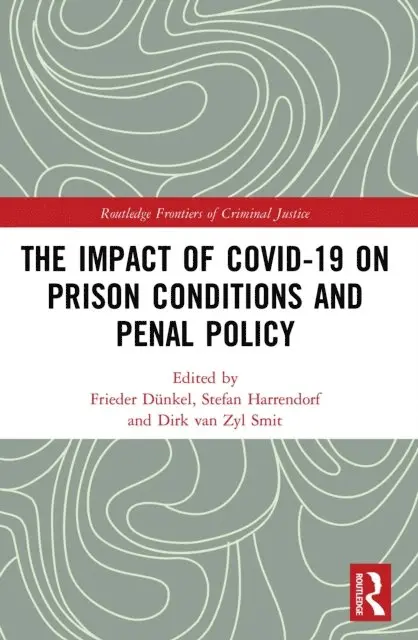
The Impact of COVID-19 on Prison Conditions and Penal Policy presents the results of a worldwide exchange of information on the impact of COVID-19 in prisons. It also focuses on the human rights questions that have been raised during the pandemic, relating to the treatment of prisoners in institutions for both juveniles and adults worldwide.
The first part brings together the findings and conclusions of leading prison academics and practitioners, presenting national reports with information on the prison system, prison population rates, how COVID-19 was and is managed in prisons, and its impact on living conditions inside prisons and on reintegration programmes. Forty-four countries are covered – many in Europe, but also Argentina, Brazil, Chile, Colombia, Perú, Costa Rica, Canada, the USA, Kenya, South Africa, China, India, Japan, Australia and New Zealand. In the second part, thematic chapters concentrate explicitly on the impact of the pandemic on the application of international human rights standards in prisons and on worldwide prison population rates. The book concludes by drawing out the commonalities and diverging practices between jurisdictions, discussing the impact of measures introduced and reflecting on what could be learnt from policies that emerged during the pandemic. Particular attention is paid to whether "reductionist" strategies that emerged during the pandemic can be used to counteract mass incarceration and prison overcrowding in the future.
Although the book reflects the situation until mid 2021, after the second and during the third wave of the pandemic, it is highly relevant to the current situation, as the living conditions in prisons did not change significantly during the following waves, which showed high infection rates (in particular in the general population), but increased vaccination rates, too. In prisons, problems the pandemic raises have an even greater impact than for the general society.
Revealing many notable and interesting changes in prison life and in release programmes, this book is essential reading for students and scholars of penology, criminology, law, sociology and public health. It will also appeal to criminal justice practitioners and policy makers.
913 kr
Läs direkt efter köp
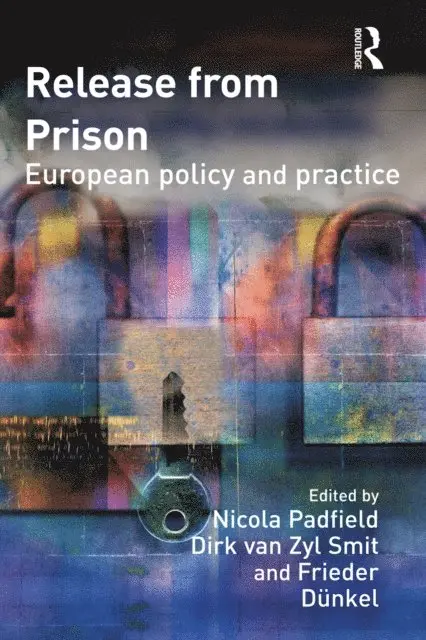
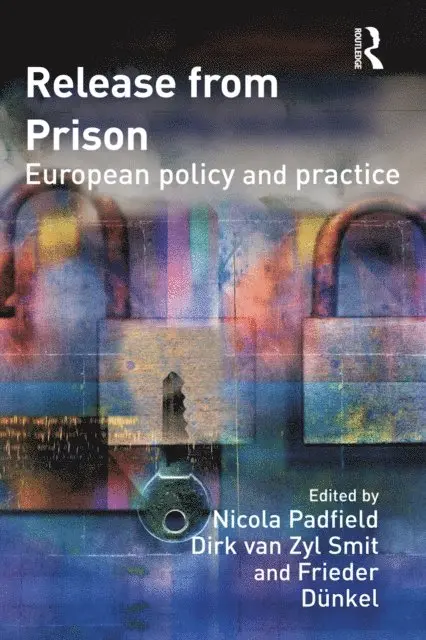
Release from prison is matter of increasing interest throughout Europe. On the one hand, arguments about the need to reduce prison numbers, as well the consistent findings that prisoners can be integrated into society more effectively if they are subject to a period of supervision in the community, have made early release policies attractive to governments and to academic commentators. On the other hand, there are concerns that early release may not be applied fairly to all prisoners.
This book aims to meet the need for comparative information on release from prison across Europe and explores some of the key themes and issues. The body of the book focuses on country perspectives, providing an invaluable survey of the situation in a number of European countries.
The introductory and concluding chapters place the comparative material in a broader perspective. They explain how release policy is related to wider questions about justice and fairness in prison-related decision-making and the changing place of imprisonment in European society.
913 kr
Läs direkt efter köp
Release from prison is matter of increasing interest throughout Europe. On the one hand, arguments about the need to reduce prison numbers, as well the consistent findings that prisoners can be integrated into society more effectively if they are subject to a period of supervision in the community, have made early release policies attractive to governments and to academic commentators. On the other hand, there are concerns that early release may not be applied fairly to all prisoners.
This book aims to meet the need for comparative information on release from prison across Europe and explores some of the key themes and issues. The body of the book focuses on country perspectives, providing an invaluable survey of the situation in a number of European countries.
The introductory and concluding chapters place the comparative material in a broader perspective. They explain how release policy is related to wider questions about justice and fairness in prison-related decision-making and the changing place of imprisonment in European society.
619 kr
Läs direkt efter köp
Prisons and imprisonment have become a commonplace topic in popular culture as the setting and rationale for fiction and documentaries and most people seem to have a clear notion of what it is like in prison, ranging from the idea of the prison cell as a cosy nook with fast internet access to that of a dungeon with a hard bed and a diet of bread and water. But what is prison really like? Do prisoners have the same rights as everyone else? What are the similarities and differences between prisons in different European countries?
This book answers all of these questions, whilst also presenting cutting-edge research on the living conditions of long-term prisoners in Europe and considering whether these conditions meet international human rights standards. Bringing together leading experts in the field, with comprehensive coverage of the issues in Belgium, Croatia, Denmark, England, Finland, France, Germany, Lithuania, Poland, Spain and Sweden, this book offers the first comparative study on the subject.
Whereas past research in this area has concentrated on the Anglo-American experience, this book offers a truly comparative European approach and pays due attention to the differences in prison systems between the post-Soviet countries and continental Europe. This book will be key reading for academics and students of criminology, criminal justice and penology and will also be of interest to students and practitioners of law.
619 kr
Läs direkt efter köp
Prisons and imprisonment have become a commonplace topic in popular culture as the setting and rationale for fiction and documentaries and most people seem to have a clear notion of what it is like in prison, ranging from the idea of the prison cell as a cosy nook with fast internet access to that of a dungeon with a hard bed and a diet of bread and water. But what is prison really like? Do prisoners have the same rights as everyone else? What are the similarities and differences between prisons in different European countries?
This book answers all of these questions, whilst also presenting cutting-edge research on the living conditions of long-term prisoners in Europe and considering whether these conditions meet international human rights standards. Bringing together leading experts in the field, with comprehensive coverage of the issues in Belgium, Croatia, Denmark, England, Finland, France, Germany, Lithuania, Poland, Spain and Sweden, this book offers the first comparative study on the subject.
Whereas past research in this area has concentrated on the Anglo-American experience, this book offers a truly comparative European approach and pays due attention to the differences in prison systems between the post-Soviet countries and continental Europe. This book will be key reading for academics and students of criminology, criminal justice and penology and will also be of interest to students and practitioners of law.
789 kr
Läs direkt efter köp
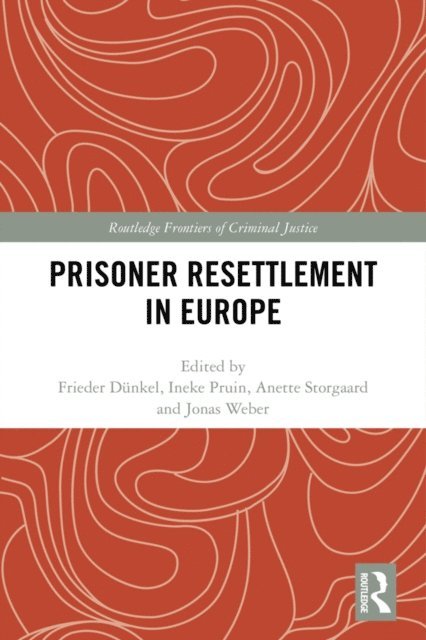
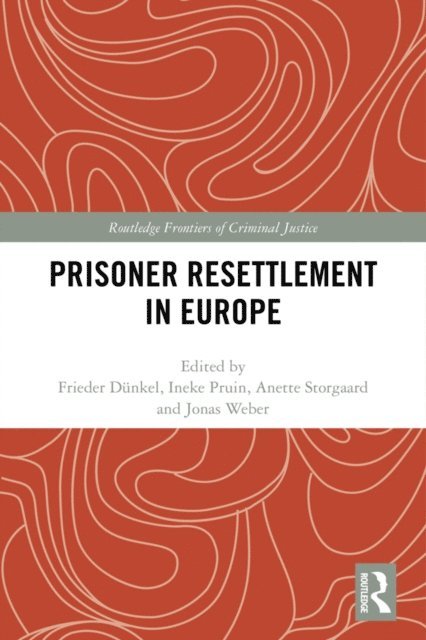
Questions regarding how to improve the transitional phase from prison to life in society after release have gained major importance in the last decade in criminal policy. All over the world release preparation and resettlement practice are discussed with the aim to reduce negative effects of imprisonment and re-offending rates. Small and large reforms aiming at the improvement of release processes and reintegration strategies have taken place in many European states.
This book describes the current European landscape of prisoner resettlement and brings together the results and ideas of leading European academic experts with the ambition of furthering national, European and international reform debates. This book presents national reports about resettlement processes and structures in 20 European countries: written by national scholars, these reports reveal important actors in resettlement processes as well as political decisions about the role of the communities in "taking the prisoners back", or the use of early release as a strategy to motivate the released prisoner to enter into a future without crime. Thematic chapters then concentrate on several aspects of prisoner resettlement that are of importance across borders: ethical, legal and practical challenges are discussed with a view on European developments, and theoretical frameworks of prisoner resettlement are used to develop comprehensive perspectives for future reform debates.
The book serves as a fundamental source for researchers, politicians and practitioners in the field of prison and probation reform and practice. It is also useful in the field of social work, in so far that the analyses confirm that prisoner resettlement is not just a problem of criminal, but also of social justice. Sustainable reforms need the will of and good cooperation between all responsible actors and organizations from the justice, social, health and welfare sectors, as well as from society as a whole in the consent for taking released prisoners back.
789 kr
Läs direkt efter köp
Questions regarding how to improve the transitional phase from prison to life in society after release have gained major importance in the last decade in criminal policy. All over the world release preparation and resettlement practice are discussed with the aim to reduce negative effects of imprisonment and re-offending rates. Small and large reforms aiming at the improvement of release processes and reintegration strategies have taken place in many European states.
This book describes the current European landscape of prisoner resettlement and brings together the results and ideas of leading European academic experts with the ambition of furthering national, European and international reform debates. This book presents national reports about resettlement processes and structures in 20 European countries: written by national scholars, these reports reveal important actors in resettlement processes as well as political decisions about the role of the communities in "taking the prisoners back", or the use of early release as a strategy to motivate the released prisoner to enter into a future without crime. Thematic chapters then concentrate on several aspects of prisoner resettlement that are of importance across borders: ethical, legal and practical challenges are discussed with a view on European developments, and theoretical frameworks of prisoner resettlement are used to develop comprehensive perspectives for future reform debates.
The book serves as a fundamental source for researchers, politicians and practitioners in the field of prison and probation reform and practice. It is also useful in the field of social work, in so far that the analyses confirm that prisoner resettlement is not just a problem of criminal, but also of social justice. Sustainable reforms need the will of and good cooperation between all responsible actors and organizations from the justice, social, health and welfare sectors, as well as from society as a whole in the consent for taking released prisoners back.