G. Pluvinage – författare
Visar alla böcker från författaren G. Pluvinage. Handla med fri frakt och snabb leverans.
6 produkter
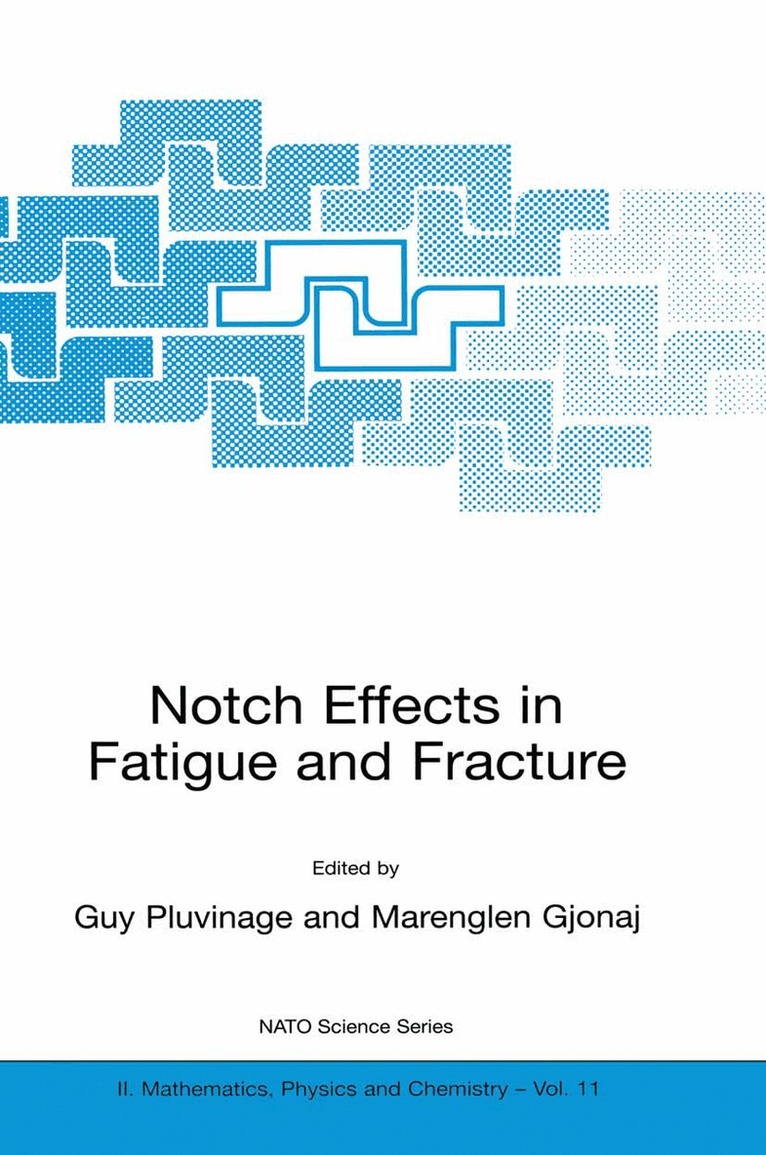
Notch Effects in Fatigue and Fracture
Av G. Pluvinage, Marenglen Gjonaj
Inbunden, 2001
1643 kr
Lägg i varukorg
The particular emphasis of this book is on new approaches to the notch effect problem in fatigue and fracture, and in particular the volumetric approach. These new methods are introduced in an attempt to replace the hot spot method, which suffers from some degree of empiricism. The work has given …
Notch Effects in Fatigue and Fracture
Av G. Pluvinage, Marenglen Gjonaj
Häftad, 2001
1643 kr
Lägg i varukorg
As Directors of this NATO Workshop, we welcome this opportunity to record formally our thanks to the NATO Scientific Affairs Division for making our meeting possible through generous financial support and encouragement. This meeting has two purposes: the first obvious one because we have collected …
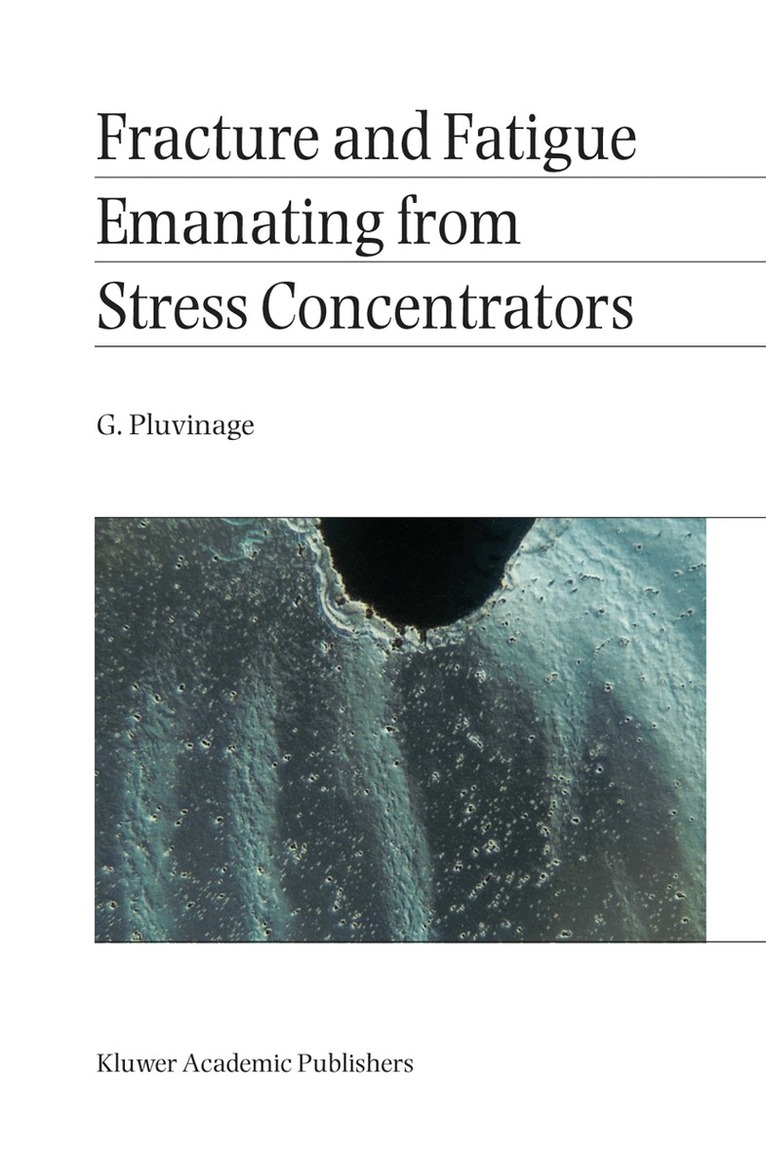
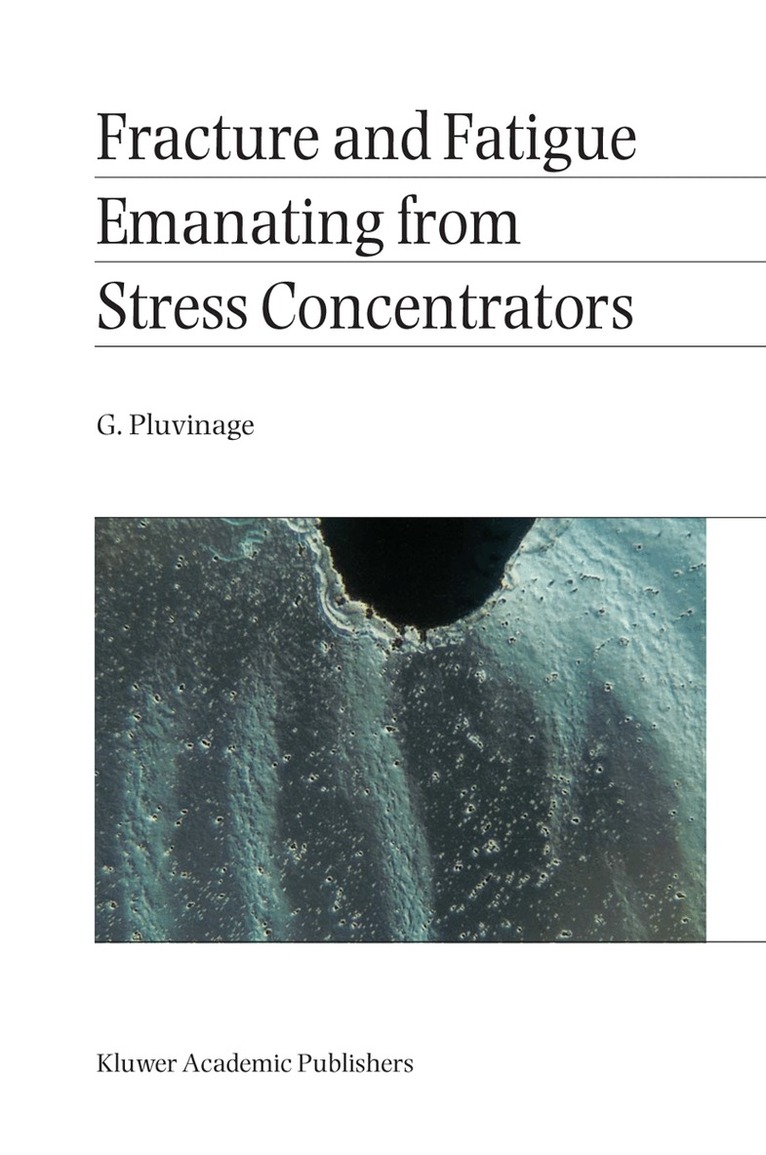
Fracture and Fatigue Emanating from Stress Concentrators
Av G. Pluvinage
Inbunden, 2003
1098 kr
Lägg i varukorg
A vast majority of failures emanate from stress concentrators such as geometrical discontinuities. The role of stress concentration was first highlighted by Inglis (1912) who gives a stress concentration factor for an elliptical defect, and later by Neuber (1936). With the progress in computing, it …
Fracture and Fatigue Emanating from Stress Concentrators
Av G. Pluvinage
E-bok, 2007
1459 kr
Lägg i varukorg
A vast majority of failures emanate from stress concentrators such as geometrical discontinuities. The role of stress concentration was first highlighted by Inglis (1912) who gives a stress concentration factor for an elliptical defect, and later by Neuber (1936). With the progress in computing, it …
Fracture and Fatigue Emanating from Stress Concentrators
Av G. Pluvinage
Häftad, 2010
1098 kr
Lägg i varukorg
A vast majority of failures emanate from stress concentrators such as geometrical discontinuities. The role of stress concentration was first highlighted by Inglis (1912) who gives a stress concentration factor for an elliptical defect, and later by Neuber (1936). With the progress in computing, it …
Notch Effects in Fatigue and Fracture
Av Marenglen Gjonaj, G. Pluvinage
E-bok, 2012
2111 kr
Lägg i varukorg
As Directors of this NATO Workshop, we welcome this opportunity to record formally our thanks to the NATO Scientific Affairs Division for making our meeting possible through generous financial support and encouragement. This meeting has two purposes: the first obvious one because we have collected …