G. S. H. L. V. Prasada Rao - Böcker
Visar alla böcker från författaren G. S. H. L. V. Prasada Rao. Handla med fri frakt och snabb leverans.
3 produkter
3 produkter
1 490 kr
Skickas inom 7-10 vardagar
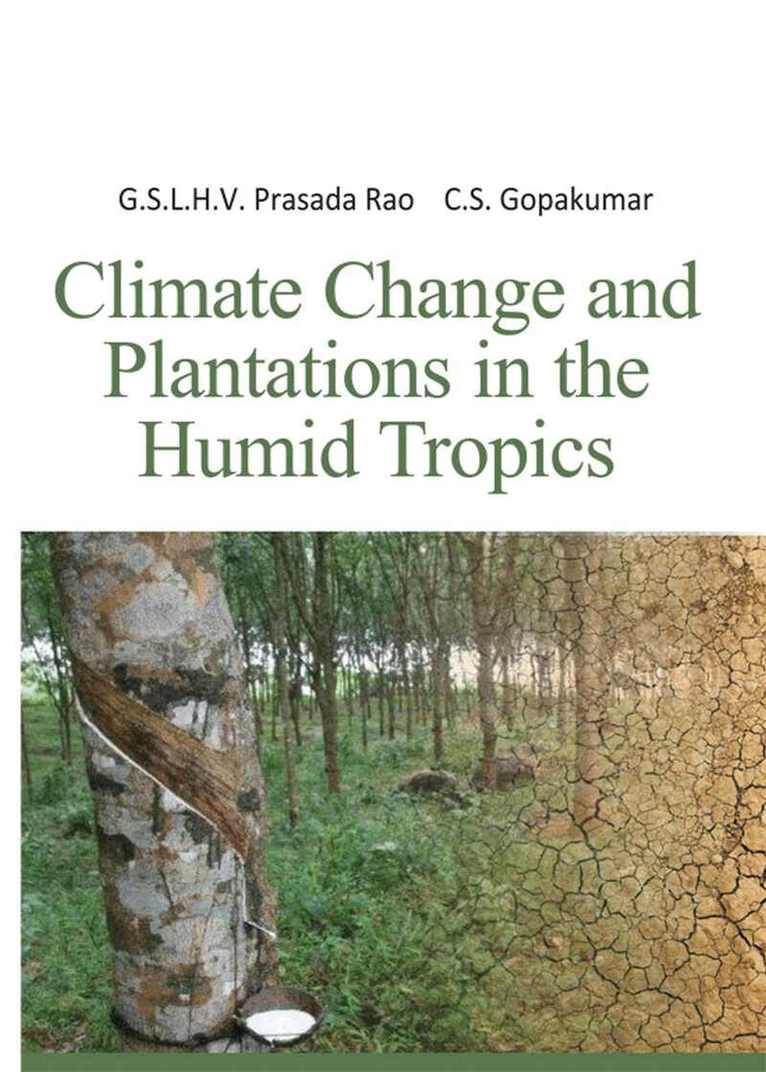
Climate and weather conditions are crucial determinants of the success of plantation crops. Weather affects the yield of a crop, while climate determines the adaptability of the crop in a specific region. The impacts of global warming and climate change on plantation crops are evident in the form of extreme weather events such as floods, droughts, heat waves, cold spells, and strong cyclonic winds, which are becoming increasingly frequent on a global scale. These events have been observed year after year in many parts of the world, including 1998, 2003, 2005, 2007, 2009, 2010, 2012, 2014, and 2015. The frequency of these events is expected to rise further in the coming decades, posing a significant threat to the plantation economy. The effects of climate variability are already being felt in the form of declining monsoon rainfall, reduced number of rainy days, and rising ambient air temperatures (both day maximum and night minimum). Other issues related to climate change include declining groundwater tables, diminishing wetland areas and surface water resources, increased frequency of forest fires, and decreasing forest cover. In addition, there is an increase in landslides during both monsoon seasons, indiscriminate sand mining from riverbeds, and unscientific land filling. These issues are particularly significant in the Humid Tropics, where the impacts of climate change are being felt acutely.
1 556 kr
Skickas inom 7-10 vardagar
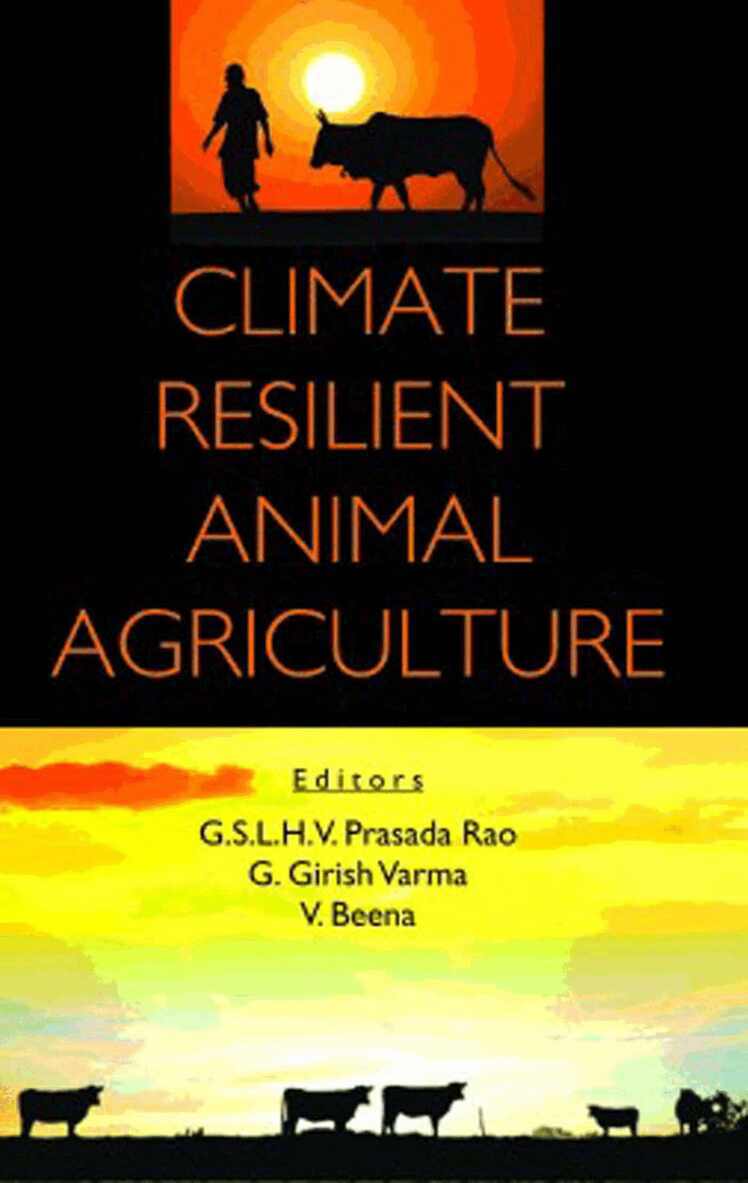
Animal husbandry is strongly influenced by weather and climate. Climate change/variability imposes multiple stresses in animals and thus vital to understand the impact of environmental stress on livestock production and reproduction. Among the environmental variables affecting livestock, heat stress seems to be one of the more intriguing factors making difficult animal reproduction and production. Information and knowledge on animal responses to the environment continues to be in process, managing livestock to reduce the impact of adverse weather and climate remains a challenge. Responding to the challenges of global warming necessitate a paradigm shift in the practice of agriculture and in the role of livestock within the farming system. The key thematic issues on environment stress and livestock production includes: early warning system, multiple stress research, exploitation of genetic potential of native breeds, suitable breeding programme and nutritional intervention research. Livestock farmers should have key roles in determining what adaptation and mitigation strategies they support if these have to sustain livestock production in changing climate. The integration of new technologies into the research and technology transfer systems potentially offers many opportunities to further the development of climate change adaptation strategies. This publication is therefore a multi-authored attempt to present the scientific fraternity high quality resource material in the field of climate change and livestock production. Attempts were made to discuss the adaptive mechanism that the animal exhibits to counteract the adverse effects of heat stress. In addition to the adaptive mechanisms, several management and feeding practices have also been established as tested methods for reduction of stress effects in livestock. It also highlights the challenges the livestock industry faces in maintaining the delicate balance between animal welfare and production. This book is a comprehensive resource for the researchers, teachers and students to understand stress, stress management and livestock productivity so as to sustain animal production in the Country under projected climate change scenario.
1 412 kr
Skickas inom 7-10 vardagar
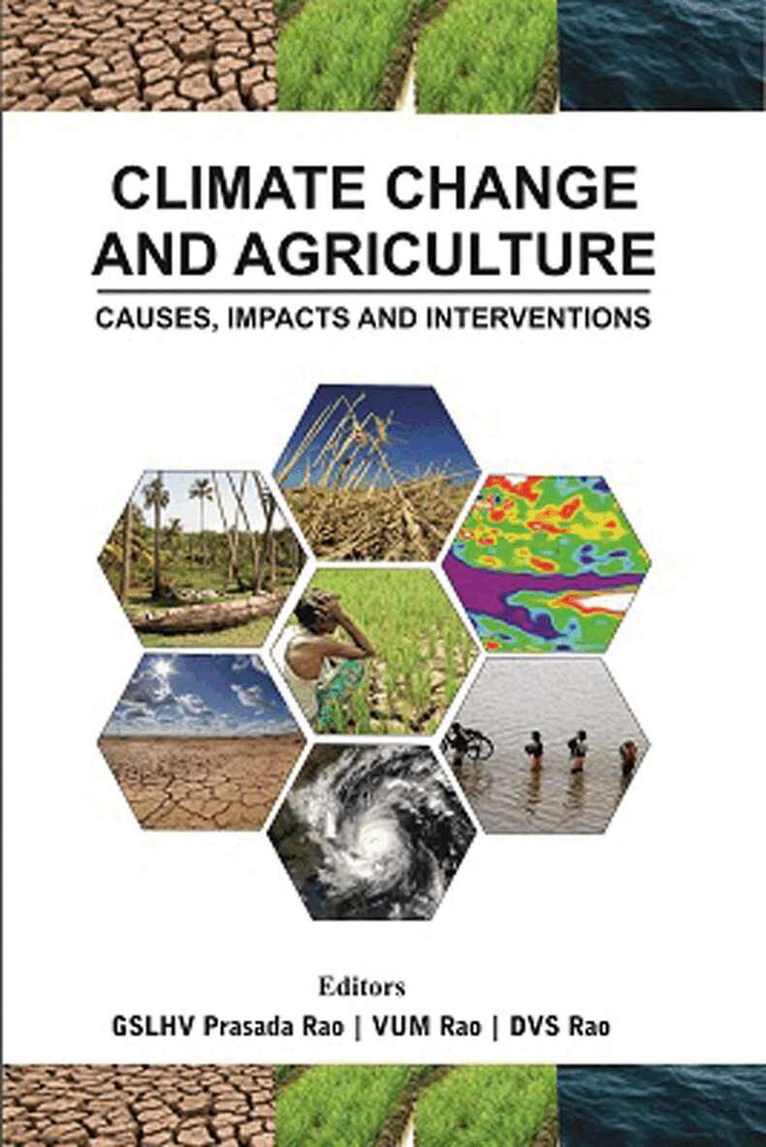
Climate change is a slow and gradual process that has taken millions of years to shape our planet into a habitable environment. It is not limited to any particular region or continent, as evidenced by the recent droughts in Texas and flooding along the Missouri River in the United States and the Red River in Canada. Climate change poses multiple challenges and interacts with various non-climatic stressors, making it difficult to predict its consequences in a general sense. However, it is evident that agriculture is under threat.Agroforestry can help mitigate the impact of climate change by increasing biodiversity in agricultural lands, which supports a range of ecological and production services that enhance resilience. However, managing climate change risks in annual cropping systems is challenging due to the increasing uncertainty of rainfall and temperature. By incorporating woody trees into crops, forage, and livestock operations, agroforestry can provide greater resilience to inter-annual variability through crop diversification and improved resource use efficiency.Deep-rooted trees allow better access to water and nutrients during droughts and can extract resources from different pools that would otherwise be lost. Agroforestry can also improve water infiltration, reduce runoff, and increase soil cover, which are essential for managing moisture stress in low rainfall areas. In periods of excessive moisture, tree-based systems can keep soils aerated by pumping out excess water, which helps prevent soil erosion and offers economic benefits.The book contains 36 chapters that focus primarily on agroforestry practices in India and their role in climate change mitigation and adaptation.