G. Snooks – författare
Visar alla böcker från författaren G. Snooks. Handla med fri frakt och snabb leverans.
6 produkter
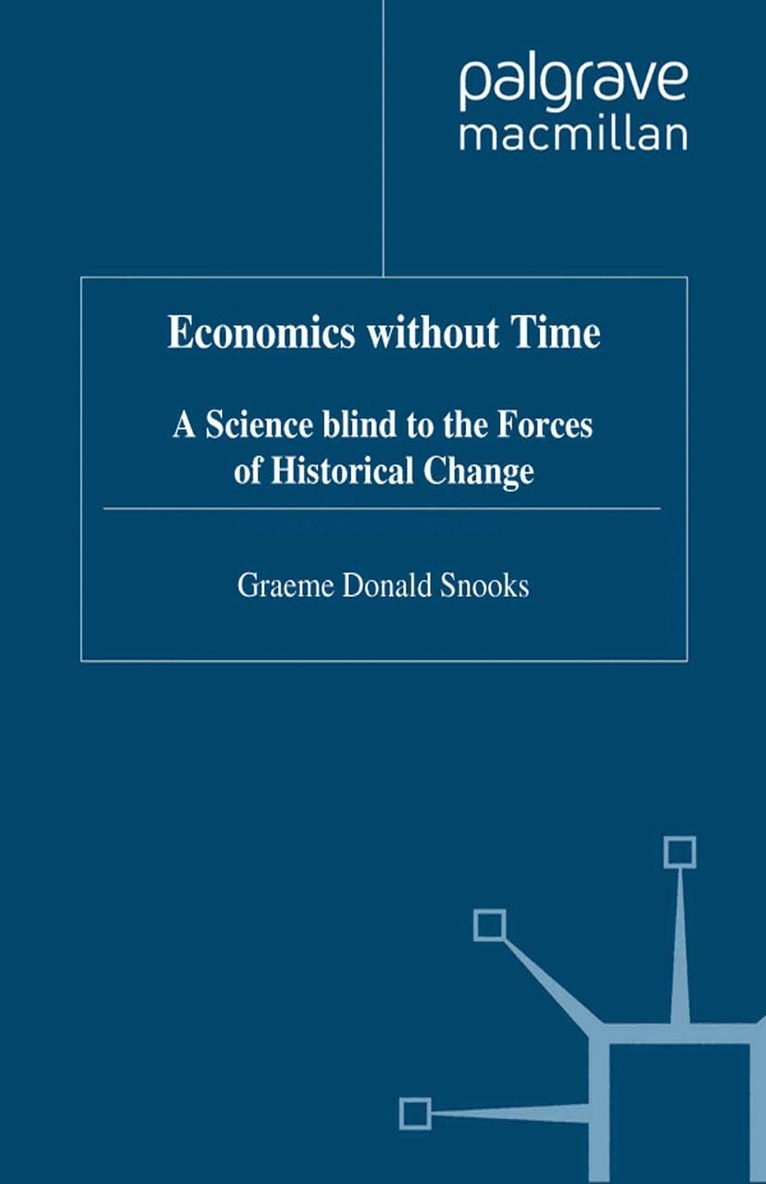
Economics without Time
A Science blind to the Forces of Historical Change
Av G. Snooks
E-bok, 1993
2309 kr
Lägg i varukorg
This is a book about real time in economics, a dimension increasingly unused by the leading edge of the profession. This, it is argued, has serious implications for economics role as the premier policy-advising source for national governments and international organisations. It is also a book about …
Longrun Dynamics
A General Economic and Political Theory
Av G. Snooks
E-bok, 1998
762 kr
Lägg i varukorg
Longrun Dynamics is a ground-breaking work that begins where the author''s Economics without Time (1993) left off. It employs the inductive method proposed by J.S.Mill to develop a general dynamic theory that integrates the separate disciplines of economic growth, economic fluctuations, and …
Economics without Time
A Science blind to the Forces of Historical Change
Av G. Snooks
Inbunden, 1993
1685 kr
Lägg i varukorg
This is a book about real time in economics, a dimension increasingly unused by the leading edge of the profession. This, it is argued, has serious implications for economics role as the premier policy-advising source for national governments and international organisations. It is also a book about …
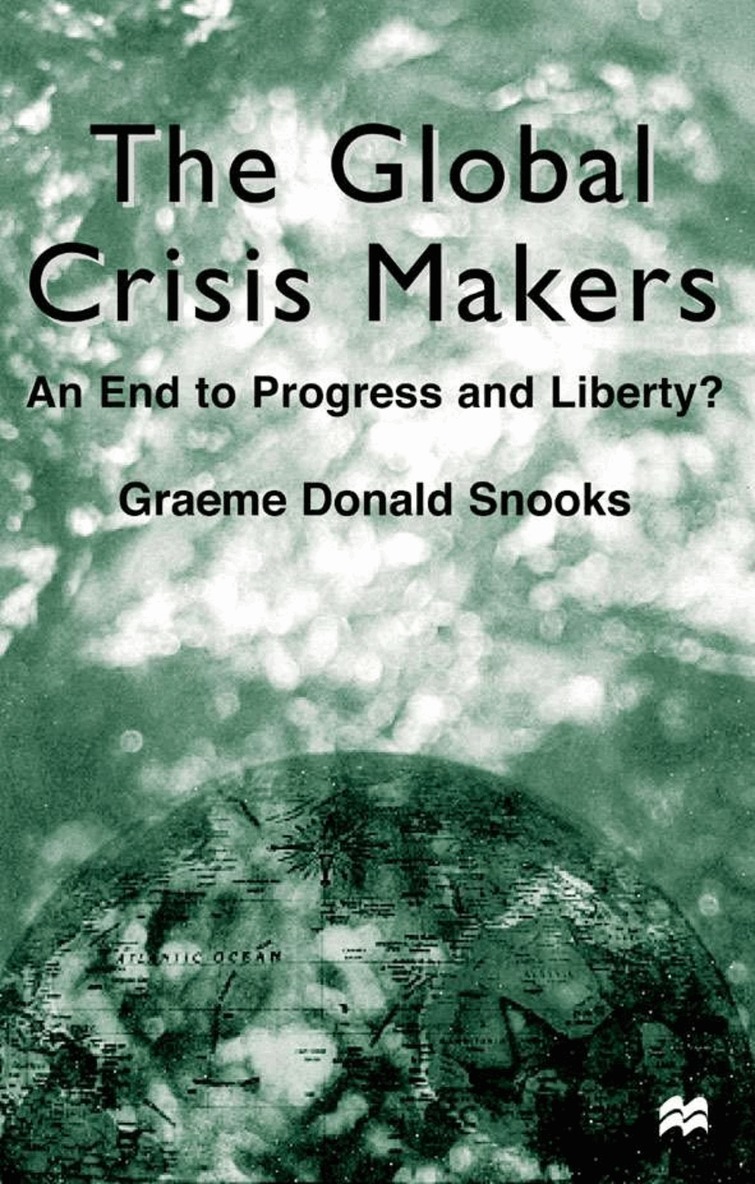
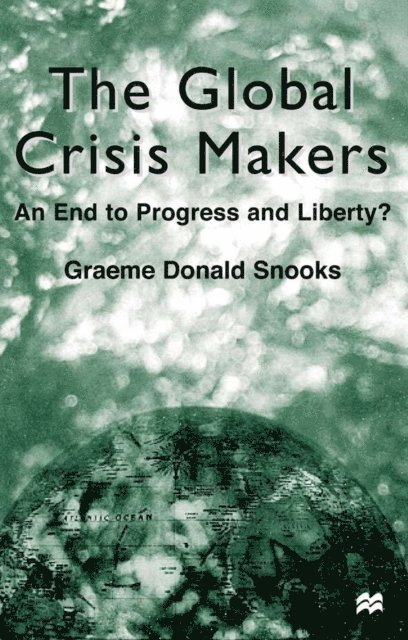
Global Crisis Makers
An End to Progress and Liberty?
Av G. Snooks
Inbunden, 2000
1093 kr
Lägg i varukorg
The author argues that we should not be diverted by the East Asian 'meltdown', which is a predictable outcome of global dynamics. Of real concern, however, is the 'hidden crisis', which has been inadvertently engineered by neoliberal economists who dominate the world's financial institutions. They …
Global Crisis Makers
An End to Progress and Liberty?
Av G. Snooks
E-bok, 2000
1550 kr
Lägg i varukorg
The author argues that we should not be diverted by the East Asian ''meltdown'', which is a predictable outcome of global dynamics. Of real concern, however, is the ''hidden crisis'', which has been inadvertently engineered by neoliberal economists who dominate the world''s financial institutions. …
Economics without Time
A Science blind to the Forces of Historical Change
Av G. Snooks
Häftad, 1993
1685 kr
Lägg i varukorg
This is a book about real time in economics, a dimension increasingly unused by the leading edge of the profession. This, it is argued, has serious implications for economics role as the premier policy-advising source for national governments and international organisations. It is also a book about …