Gabriel Hallevy – författare
Visar alla böcker från författaren Gabriel Hallevy. Handla med fri frakt och snabb leverans.
13 produkter
13 produkter
2 132 kr
Kommande
Game theory is a very powerful instrumental framework designed to analyze and solve complicated situations, especially decision-making problems under conditions of uncertainty. Major problems and issues in legal practice and jurisprudence are decision-making problems under conditions of uncertainty, therefore, it seems quite natural to use game theory to solve these problems. Moreover, game theory's solutions for these legal problems and issues are very simple, easily applicable, inexpensive and considered to be fair in comparison to other solutions. The objective of this book is to make game theory in the legal context accessible for the reader, especially for legal practitioners, academics and students, using clear, simple and comprehensive theory, explanations and examples from daily legal practice. The applications in law include analysis of the law, existing and ideal, as well as applications in legal practice. Although game theory is classified as a branch of mathematics, the book is written and designed in a way that no mathematical background is required to fully understand the theory itself and its applications.

1 268 kr
Skickas inom 10-15 vardagar
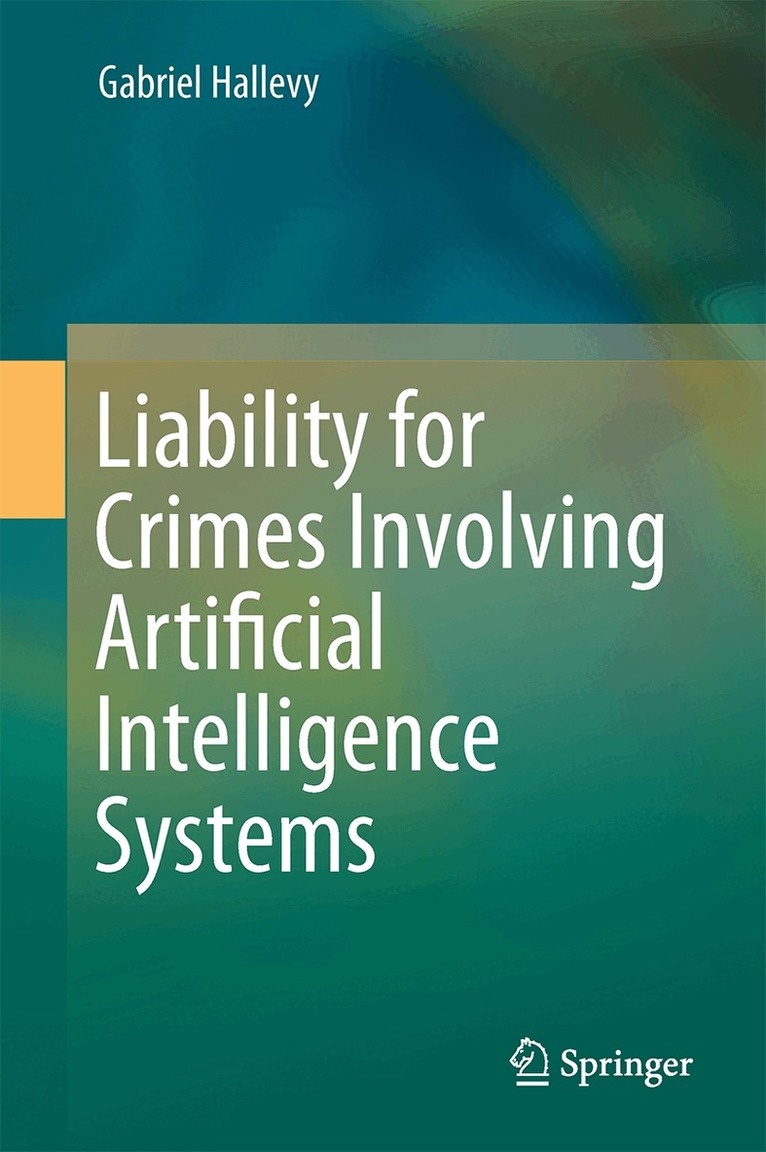
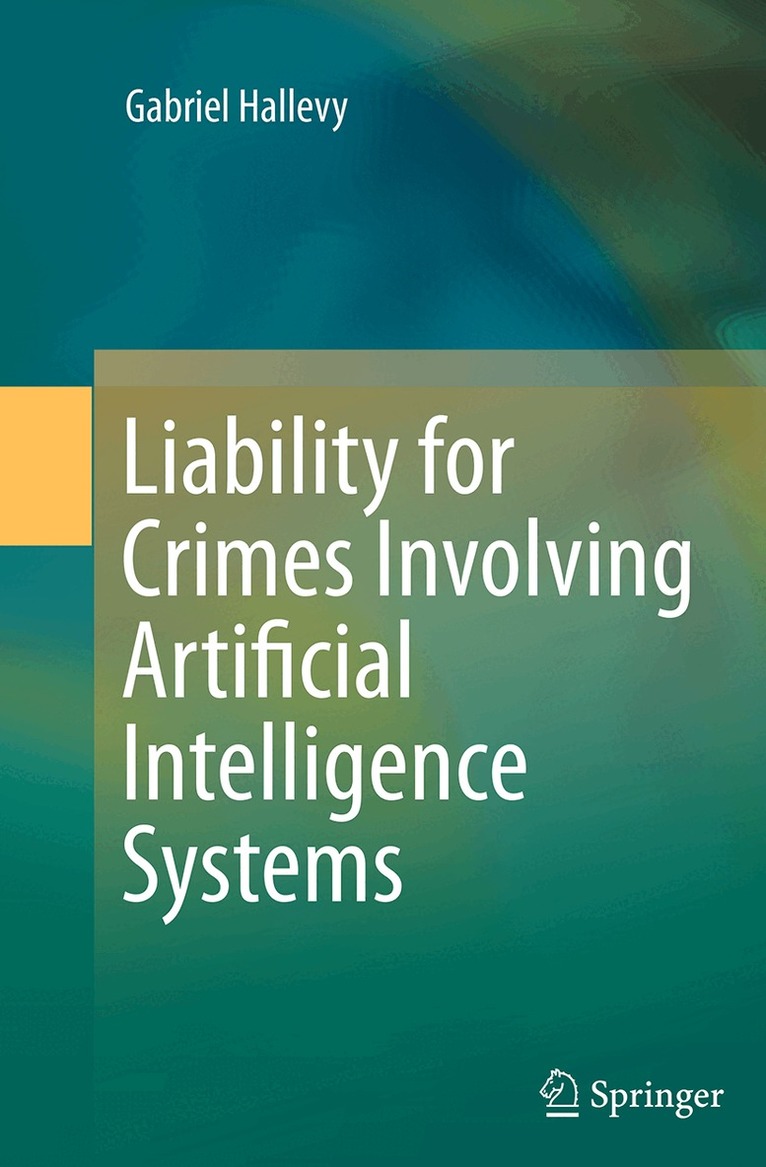
The book develops a general legal theory concerning the liability for offenses involving artificial intelligence systems.
492 kr
Skickas inom 10-15 vardagar
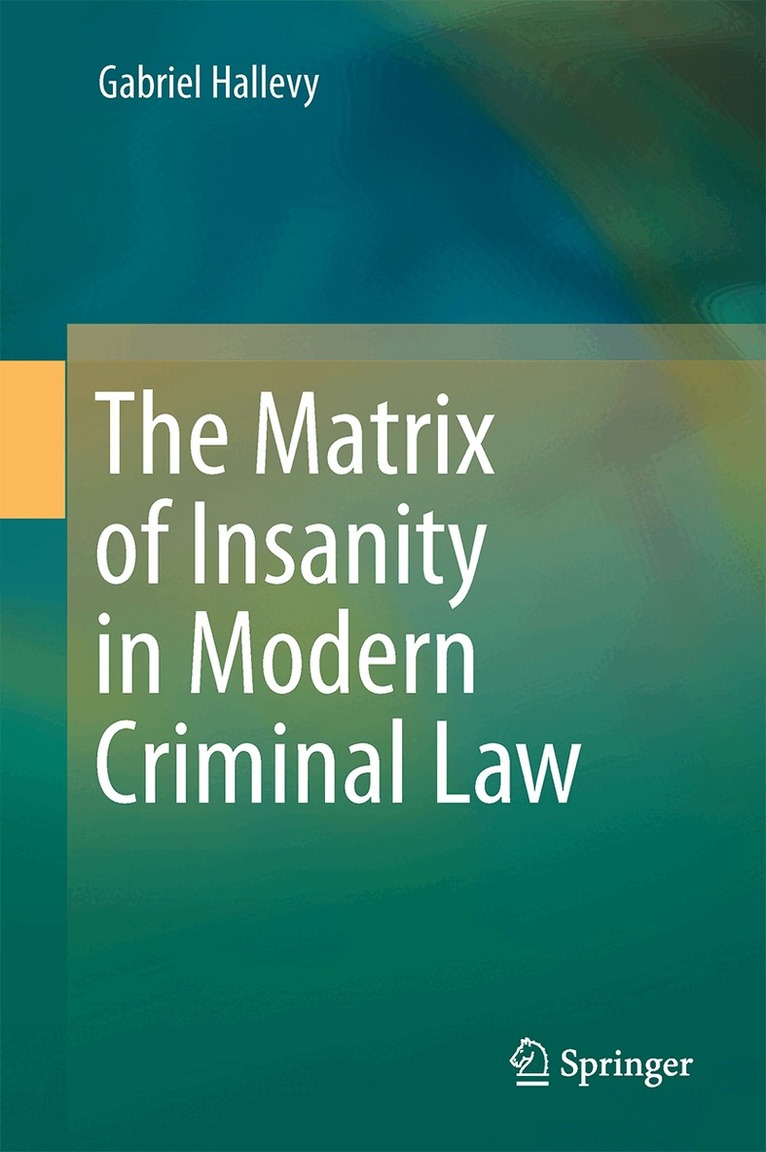
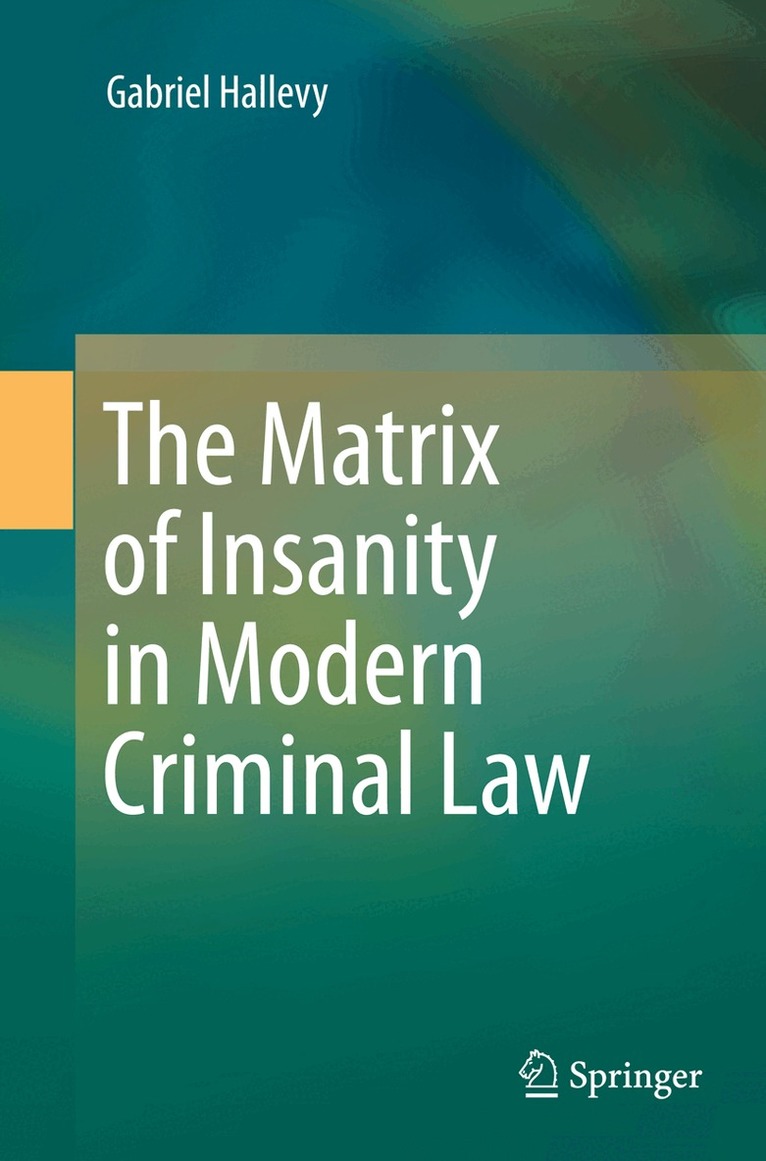
This book challenges the assumptions of modern criminal law that insanity is a natural, legally and medically defined phenomenon (covering a range of medical disorders). By doing so, it paves the way for a new perspective on insanity and can serve as the basis for a new approach to insanity in modern criminal law. The book covers the following aspects: the structure of the principle of fault in modern criminal law, the development of the insanity defense in criminal law, tangential in personam defenses in criminal law and their implications for insanity and the legal mechanism of reproduction of fault.The focus is on the Anglo-American and European-Continental legal systems. Given the attention consistently drawn by international and domestic events in this context, the book will be of interest to a broad and growing international audience.
1 515 kr
Kommande
1 268 kr
Skickas inom 10-15 vardagar
The book develops a general legal theory concerning the liability for offenses involving artificial intelligence systems.
492 kr
Skickas inom 10-15 vardagar
This book challenges the assumptions of modern criminal law that insanity is a natural, legally and medically defined phenomenon (covering a range of medical disorders). By doing so, it paves the way for a new perspective on insanity and can serve as the basis for a new approach to insanity in modern criminal law. The book covers the following aspects: the structure of the principle of fault in modern criminal law, the development of the insanity defense in criminal law, tangential in personam defenses in criminal law and their implications for insanity and the legal mechanism of reproduction of fault.The focus is on the Anglo-American and European-Continental legal systems. Given the attention consistently drawn by international and domestic events in this context, the book will be of interest to a broad and growing international audience.
977 kr
Skickas inom 10-15 vardagar
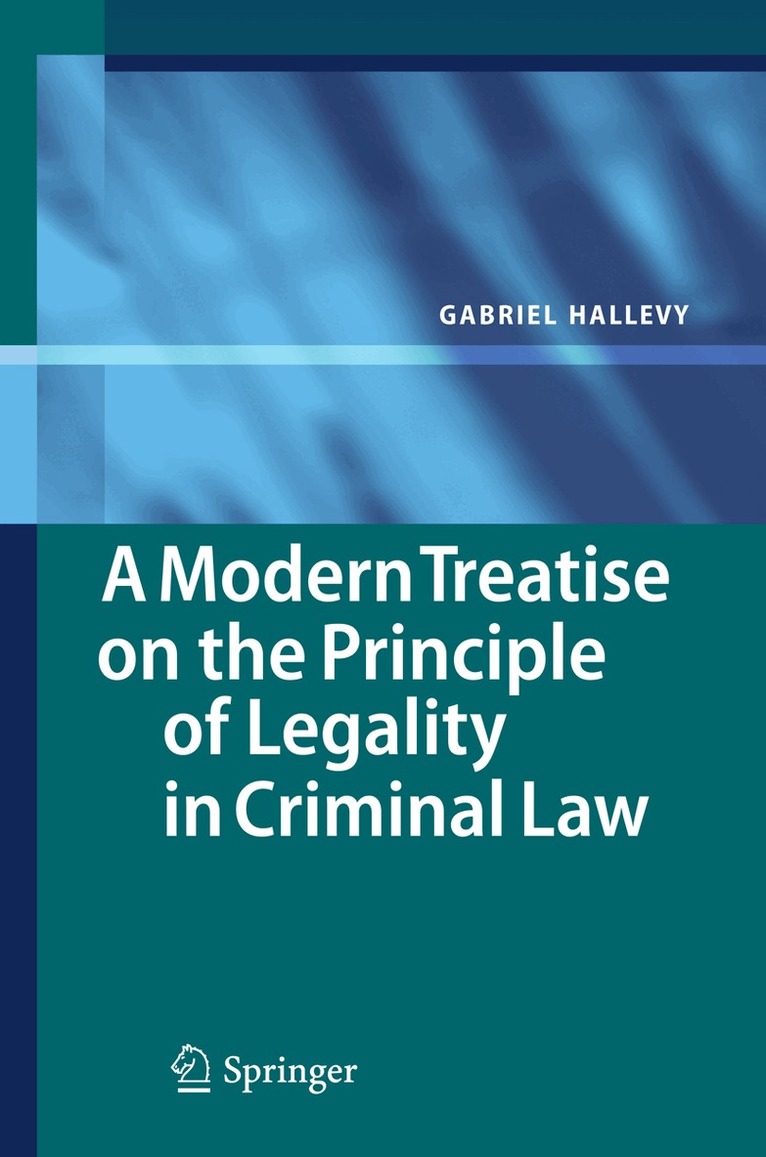
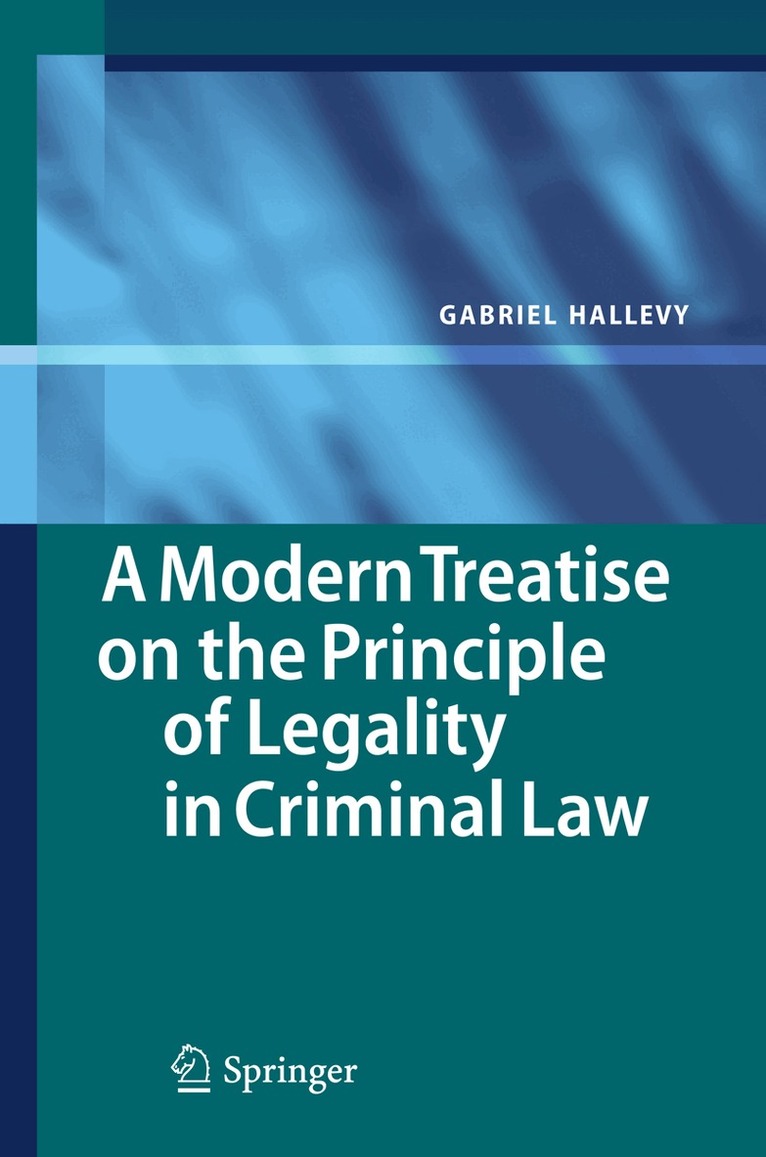
Thepresentbookisbasedonthelecturesdeliveredbytheauthorinthepastfew yearsaspartoftheCriminalLawcourseoftheFacultyofLawattheOnoAcademic College. There has been little research on the principle of legality in modern criminallaw,althoughthisisoneofthemostancientlegalprinciplesofhuman society. In recent generations there have been several attempts to de?ne the principleconclusively,butonlywithregardtosomeofitsaspects. Nocompreh- sivede?nitionoftheprincipleoflegalityhasbeenattemptedtodate. Aconclusivede?nitionoftheprincipleoflegalityincriminallawrequiresboth anaccurateinward-lookingde?nitionoftheprincipleitself,andanoutward-lo- ingtreatmentofitsrelationwithcriminallawtheory. Onlyacoherenttheorythat includestheprincipleoflegalityasanintegralpartofcriminallawtheorycando justicetotheprincipleoflegality. Thisviewisconsistentwiththescienti?cconcept oflaw,whichregardsthelawaspartofscience. AModernTreatiseonthePrincipleofLegalityinCriminalLawisthereforea scienti?ctreatiseononeofthefourprinciplesofthecriminallaw. Thepresent treatiseisdividedintosixparts,accordingtothescienti?cunderstandingofthe principleoflegalityincriminallaw.Chapter1explorestherelationbetweenthe principleoflegalityandthegeneraltheoryofcriminallawinthecontextofthe structureandthedevelopmentoftheprincipleoflegalityinhumansociety. This chapter outlines the four secondary principles of the principle of legality, and describesthemingeneralterms. Chapters 2-Thepresentbookisbasedonthelecturesdeliveredbytheauthorinthepastfew yearsaspartoftheCriminalLawcourseoftheFacultyofLawattheOnoAcademic College. There has been little research on the principle of legality in modern criminallaw,althoughthisisoneofthemostancientlegalprinciplesofhuman society. In recent generations there have been several attempts to de?ne the principleconclusively,butonlywithregardtosomeofitsaspects. Nocompreh- sivede?nitionoftheprincipleoflegalityhasbeenattemptedtodate. Aconclusivede?nitionoftheprincipleoflegalityincriminallawrequiresboth anaccurateinward-lookingde?nitionoftheprincipleitself,andanoutward-lo- ingtreatmentofitsrelationwithcriminallawtheory. Onlyacoherenttheorythat includestheprincipleoflegalityasanintegralpartofcriminallawtheorycando justicetotheprincipleoflegality. Thisviewisconsistentwiththescienti?cconcept oflaw,whichregardsthelawaspartofscience.AModernTreatiseonthePrincipleofLegalityinCriminalLawisthereforea scienti?ctreatiseononeofthefourprinciplesofthecriminallaw. Thepresent treatiseisdividedintosixparts,accordingtothescienti?cunderstandingofthe principleoflegalityincriminallaw. Chapter1explorestherelationbetweenthe principleoflegalityandthegeneraltheoryofcriminallawinthecontextofthe structureandthedevelopmentoftheprincipleoflegalityinhumansociety. This chapter outlines the four secondary principles of the principle of legality, and describesthemingeneralterms. Chapters 2-5 discuss in detail each of the four secondary principles of the principleoflegality. Chapter 2discussesthelegitimatesourcesofthecriminal norm,Chap. 3discussestheapplicabilityofthecriminalnormintime,Chap. 4 discussestheapplicabilityofthecriminalnorminplaceandChap. 5discussesthe interpretationofthecriminalnorm. Eachofthefourchaptersconcludeswitha discussionofthecon?ictoflawsissuesrelevanttothesecondaryprincipleunder investigation. Finally,Chap. 6addressestheproblemofthecon?ictoflawswithin thecon?ictsoflawsandroundsoutthediscussion. ix x Preface IwishtothankOnoAcademicCollegeforsupportingthisproject,andespecially DeanofthefacultyoflawandvicechairmanDudiSchwartzforhisstaunchsupport onsomanyimportantoccasions.IthankGabrielLanyiforhiscommentsandAnke SeyfriedofSpringerHeidelbergforguidingthepublicationofthebookfromits inceptiontoitsconclusion. Finally,Iwishtothankmywifeanddaughtersforthe helpfuldiscussionsandsupporttheyofferedalongtheway. KiryatOno,June2010 GabrielHallevy Contents 1 TheMeaningandStructureofthePrincipleofLegality inCriminalLaw ...1 1. 1 TheRoleofthePrincipleofLegalityintheCriminal LawTheory ...1 1. 1. 1 TheBasicStructureofCriminalLawTheory ...1 1. 1. 2 TheBasicStructureofthePrincipleofLegality inCriminalLaw ...5 1. 2 DevelopmentofthePrincipleofLegalityinCriminalLaw andItsModernJusti?cations ...8 2 TheLegitimateSourcesoftheCriminalNorm ...15 2. 1 TheStructureoftheCriminalNormandItsIdenti?cation ...16 2. 1. 1 ValidConditionalClauses ...16 2. 1. 2 CriminalSanction ...17 2. 1. 3 Classi?cationofOffencesBasedonContent ...18 2. 2 TheLegalSourcesoftheCriminalNorm ...20 2. 2. 1 GeneralPrinciples ...20 2. 2. 2 LegalSources ...33 2. 3 Con?ictofLawsBasedonLegitimateSources oftheCriminalNorm ...46 3 ApplicabilityoftheCriminalNorminTime ...49 3. 1 BasicDistinctions ...49 3. 1. 1 DistinctionBetweenProceduralandSubstantive CriminalNorms ...50 3. 1.2 DistinctionBetweenRelevantPointsinTime ...51 3. 1. 3 DistinctionBetweenContinuous,Temporary, andFragmentedCriminalNorms ...55 3. 1. 4 DistinctionBetweenMitigatingandAggravating CriminalNorms ...56 xi xii Contents 3. 2 ApplicabilityoftheProceduralCriminalNorminTime ...58 3. 2. 1 TheGeneralRule ...58 3. 2. 2 ApplicationoftheRule ...61 3. 3 ApplicabilityinTimeoftheSubstantiveCriminalNorm ...67 3. 3. 1 TheGeneralRule ...67 3. 3. 2 ApplicationoftheRule ...71 3. 4 Con?ictofLawsBasedonApplicabilityoftheCriminal NorminTime ...78 4 TheApplicabilityoftheCriminalNorminPlace ...81 4. 1 TheBasicDistinctions ...81 4. 1. 1 DistinctionBetweenApplicabilityandJurisdiction inCriminalLaw ...
977 kr
Skickas inom 10-15 vardagar
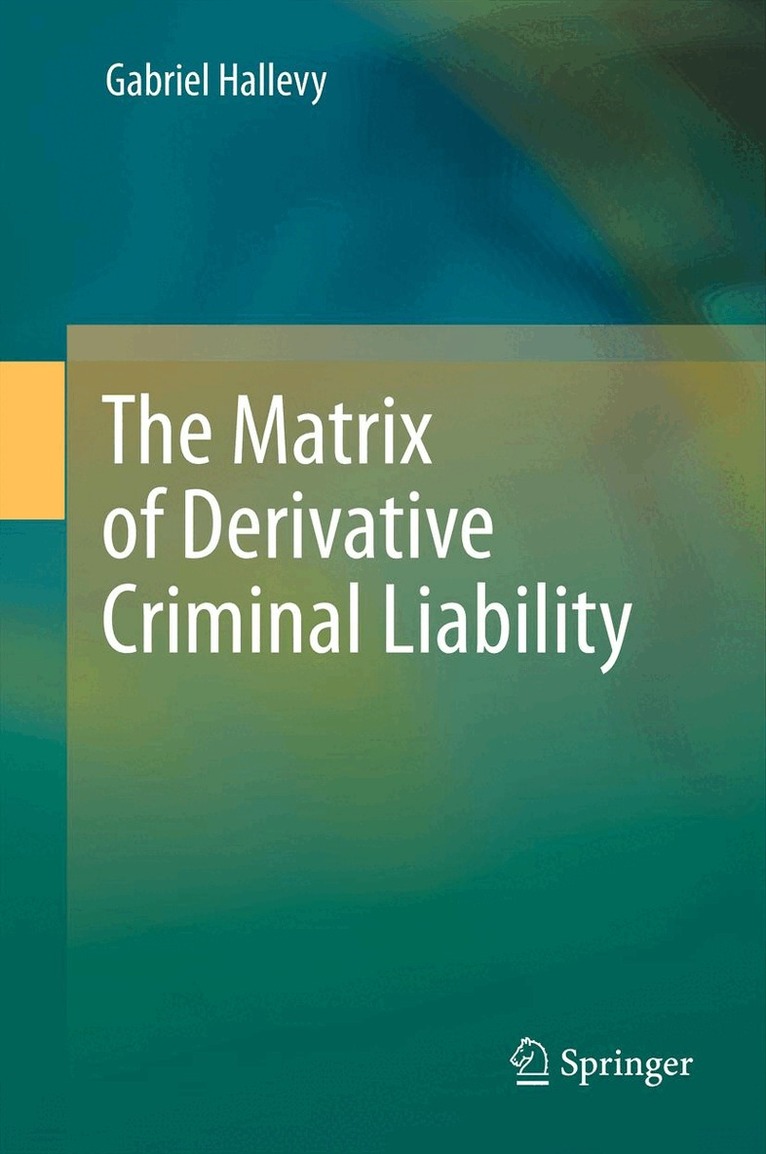
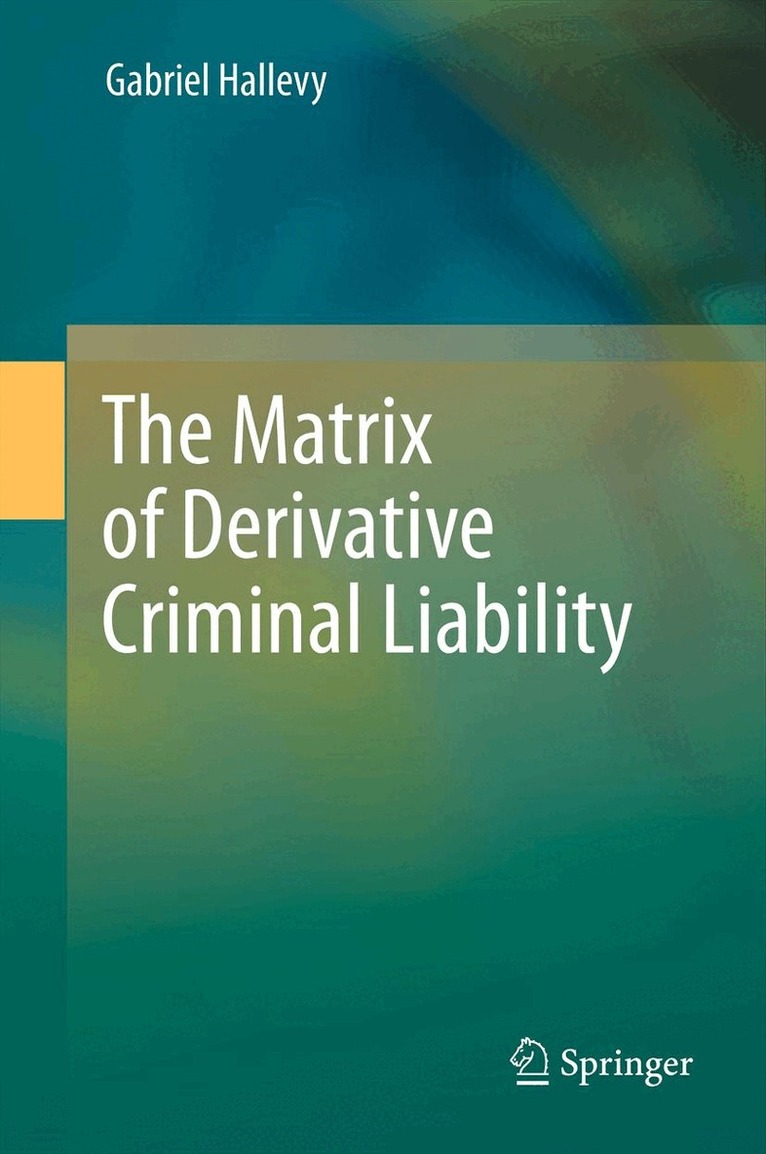
Derivative criminal liability includes inchoate offenses (criminal attempt, conspiracy, preparatory offenses, etc.), complicity (joint perpetration, perpetration through another, incitement, solicitation, accessoryship, etc.), organized crime, natural and probable consequences liability, post-crime aid, enterprise liability, terrorism and terrorist infrastructure, and many more forms of criminal liability, clearly making it a major pillar of modern criminal law. Although derivative criminal liability affects countries worldwide, there is still no general legal theory that covers this issue. The objective of the present book is to develop a comprehensive, general, legally sophisticated, and at the same time practical theory of derivative criminal liability. The book emphasizes the practicality of the theory to enable courts, lawyers, legislators, attorneys, students, and academics to apply it in their daily professional occupations.
977 kr
Skickas inom 10-15 vardagar
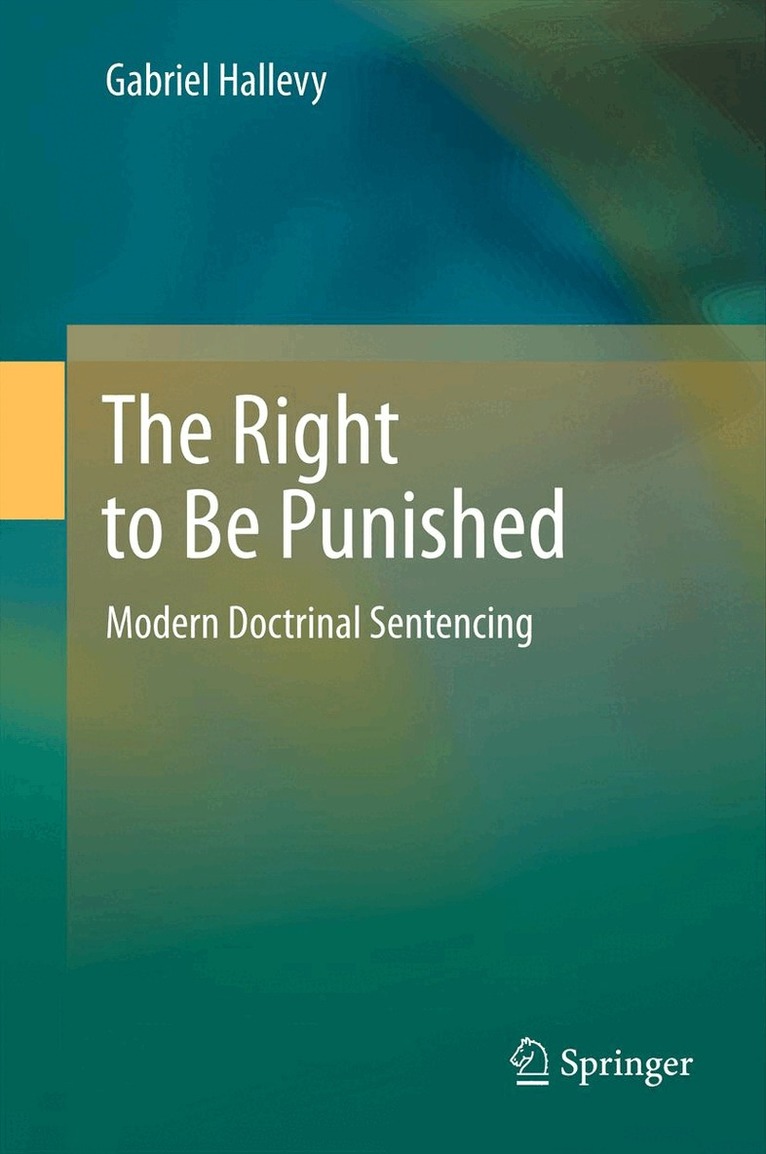
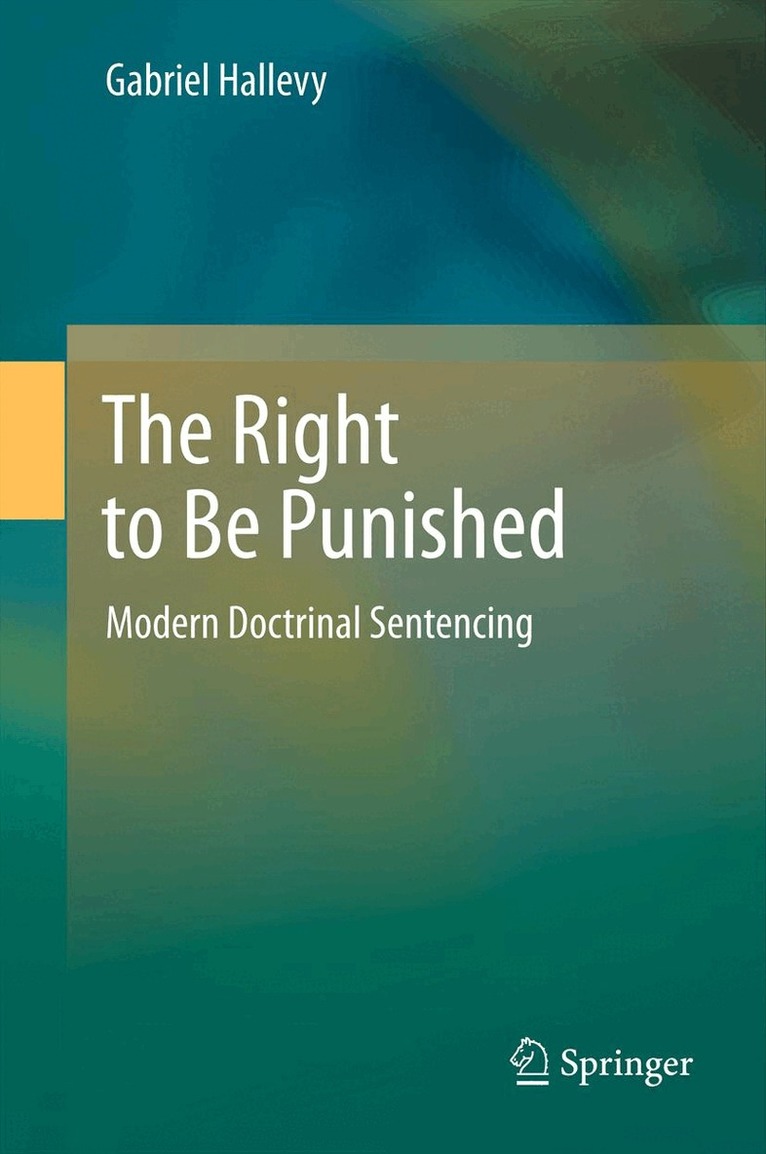
Does an offender have the right to be punished? "The right to be punished" may sound like an oxymoron, but it is not necessarily so. With the emergence of modern criminal law, the offender gained the right to be punished by rational criminal law rather than being lynched by an angry mob. The present-day offender may have the right to be punished by doctrinal sentencing rather than being subjected to verdicts based on vague, unclear, and uncertain principles. In modern criminal law, the imposition of criminal liability follows accurate and strict rules, whereas there are no similar rules for the imposition of punishment. The process of sentencing is vague and obscure, as are the considerations used for the imposition of punishments. The objective of the present book is to propose a comprehensive, general, and legally sophisticated theory of modern doctrinal sentencing. The challenges of such a legal theory are plenty and complex. In addition to increasing clarity and certainty, modern doctrinal sentencing must deal with modern types of delinquency (e.g. organized crime, recidivism, corporate offenders, high-tech offenses, etc.) and modern principles of criminal law. Modern doctrinal sentencing must serve to ensure optimal sentencing.
977 kr
Skickas inom 10-15 vardagar
Thepresentbookisbasedonthelecturesdeliveredbytheauthorinthepastfew yearsaspartoftheCriminalLawcourseoftheFacultyofLawattheOnoAcademic College. There has been little research on the principle of legality in modern criminallaw,althoughthisisoneofthemostancientlegalprinciplesofhuman society. In recent generations there have been several attempts to de?ne the principleconclusively,butonlywithregardtosomeofitsaspects. Nocompreh- sivede?nitionoftheprincipleoflegalityhasbeenattemptedtodate. Aconclusivede?nitionoftheprincipleoflegalityincriminallawrequiresboth anaccurateinward-lookingde?nitionoftheprincipleitself,andanoutward-lo- ingtreatmentofitsrelationwithcriminallawtheory. Onlyacoherenttheorythat includestheprincipleoflegalityasanintegralpartofcriminallawtheorycando justicetotheprincipleoflegality. Thisviewisconsistentwiththescienti?cconcept oflaw,whichregardsthelawaspartofscience. AModernTreatiseonthePrincipleofLegalityinCriminalLawisthereforea scienti?ctreatiseononeofthefourprinciplesofthecriminallaw. Thepresent treatiseisdividedintosixparts,accordingtothescienti?cunderstandingofthe principleoflegalityincriminallaw.Chapter1explorestherelationbetweenthe principleoflegalityandthegeneraltheoryofcriminallawinthecontextofthe structureandthedevelopmentoftheprincipleoflegalityinhumansociety. This chapter outlines the four secondary principles of the principle of legality, and describesthemingeneralterms. Chapters 2-Thepresentbookisbasedonthelecturesdeliveredbytheauthorinthepastfew yearsaspartoftheCriminalLawcourseoftheFacultyofLawattheOnoAcademic College. There has been little research on the principle of legality in modern criminallaw,althoughthisisoneofthemostancientlegalprinciplesofhuman society. In recent generations there have been several attempts to de?ne the principleconclusively,butonlywithregardtosomeofitsaspects. Nocompreh- sivede?nitionoftheprincipleoflegalityhasbeenattemptedtodate. Aconclusivede?nitionoftheprincipleoflegalityincriminallawrequiresboth anaccurateinward-lookingde?nitionoftheprincipleitself,andanoutward-lo- ingtreatmentofitsrelationwithcriminallawtheory. Onlyacoherenttheorythat includestheprincipleoflegalityasanintegralpartofcriminallawtheorycando justicetotheprincipleoflegality. Thisviewisconsistentwiththescienti?cconcept oflaw,whichregardsthelawaspartofscience.AModernTreatiseonthePrincipleofLegalityinCriminalLawisthereforea scienti?ctreatiseononeofthefourprinciplesofthecriminallaw. Thepresent treatiseisdividedintosixparts,accordingtothescienti?cunderstandingofthe principleoflegalityincriminallaw. Chapter1explorestherelationbetweenthe principleoflegalityandthegeneraltheoryofcriminallawinthecontextofthe structureandthedevelopmentoftheprincipleoflegalityinhumansociety. This chapter outlines the four secondary principles of the principle of legality, and describesthemingeneralterms. Chapters 2-5 discuss in detail each of the four secondary principles of the principleoflegality. Chapter 2discussesthelegitimatesourcesofthecriminal norm,Chap. 3discussestheapplicabilityofthecriminalnormintime,Chap. 4 discussestheapplicabilityofthecriminalnorminplaceandChap. 5discussesthe interpretationofthecriminalnorm. Eachofthefourchaptersconcludeswitha discussionofthecon?ictoflawsissuesrelevanttothesecondaryprincipleunder investigation. Finally,Chap. 6addressestheproblemofthecon?ictoflawswithin thecon?ictsoflawsandroundsoutthediscussion. ix x Preface IwishtothankOnoAcademicCollegeforsupportingthisproject,andespecially DeanofthefacultyoflawandvicechairmanDudiSchwartzforhisstaunchsupport onsomanyimportantoccasions.IthankGabrielLanyiforhiscommentsandAnke SeyfriedofSpringerHeidelbergforguidingthepublicationofthebookfromits inceptiontoitsconclusion. Finally,Iwishtothankmywifeanddaughtersforthe helpfuldiscussionsandsupporttheyofferedalongtheway. KiryatOno,June2010 GabrielHallevy Contents 1 TheMeaningandStructureofthePrincipleofLegality inCriminalLaw ...1 1. 1 TheRoleofthePrincipleofLegalityintheCriminal LawTheory ...1 1. 1. 1 TheBasicStructureofCriminalLawTheory ...1 1. 1. 2 TheBasicStructureofthePrincipleofLegality inCriminalLaw ...5 1. 2 DevelopmentofthePrincipleofLegalityinCriminalLaw andItsModernJusti?cations ...8 2 TheLegitimateSourcesoftheCriminalNorm ...15 2. 1 TheStructureoftheCriminalNormandItsIdenti?cation ...16 2. 1. 1 ValidConditionalClauses ...16 2. 1. 2 CriminalSanction ...17 2. 1. 3 Classi?cationofOffencesBasedonContent ...18 2. 2 TheLegalSourcesoftheCriminalNorm ...20 2. 2. 1 GeneralPrinciples ...20 2. 2. 2 LegalSources ...33 2. 3 Con?ictofLawsBasedonLegitimateSources oftheCriminalNorm ...46 3 ApplicabilityoftheCriminalNorminTime ...49 3. 1 BasicDistinctions ...49 3. 1. 1 DistinctionBetweenProceduralandSubstantive CriminalNorms ...50 3. 1.2 DistinctionBetweenRelevantPointsinTime ...51 3. 1. 3 DistinctionBetweenContinuous,Temporary, andFragmentedCriminalNorms ...55 3. 1. 4 DistinctionBetweenMitigatingandAggravating CriminalNorms ...56 xi xii Contents 3. 2 ApplicabilityoftheProceduralCriminalNorminTime ...58 3. 2. 1 TheGeneralRule ...58 3. 2. 2 ApplicationoftheRule ...61 3. 3 ApplicabilityinTimeoftheSubstantiveCriminalNorm ...67 3. 3. 1 TheGeneralRule ...67 3. 3. 2 ApplicationoftheRule ...71 3. 4 Con?ictofLawsBasedonApplicabilityoftheCriminal NorminTime ...78 4 TheApplicabilityoftheCriminalNorminPlace ...81 4. 1 TheBasicDistinctions ...81 4. 1. 1 DistinctionBetweenApplicabilityandJurisdiction inCriminalLaw ...
977 kr
Skickas inom 10-15 vardagar
With the emergence of modern criminal law, the offender gained the right to be punished by rational criminal law rather than being lynched by an angry mob. In modern criminal law, the imposition of criminal liability follows accurate and strict rules, whereas there are no similar rules for the imposition of punishment.
977 kr
Skickas inom 10-15 vardagar
Derivative criminal liability includes inchoate offenses (criminal attempt, conspiracy, preparatory offenses, etc.), complicity (joint perpetration, perpetration through another, incitement, solicitation, accessoryship, etc.), organized crime, natural and probable consequences liability, post-crime aid, enterprise liability, terrorism and terrorist infrastructure, and many more forms of criminal liability, clearly making it a major pillar of modern criminal law. Although derivative criminal liability affects countries worldwide, there is still no general legal theory that covers this issue. The objective of the present book is to develop a comprehensive, general, legally sophisticated, and at the same time practical theory of derivative criminal liability. The book emphasizes the practicality of the theory to enable courts, lawyers, legislators, attorneys, students, and academics to apply it in their daily professional occupations.
1 344 kr
Skickas inom 5-8 vardagar