Gail Omvedt – författare
Visar alla böcker från författaren Gail Omvedt. Handla med fri frakt och snabb leverans.
7 produkter
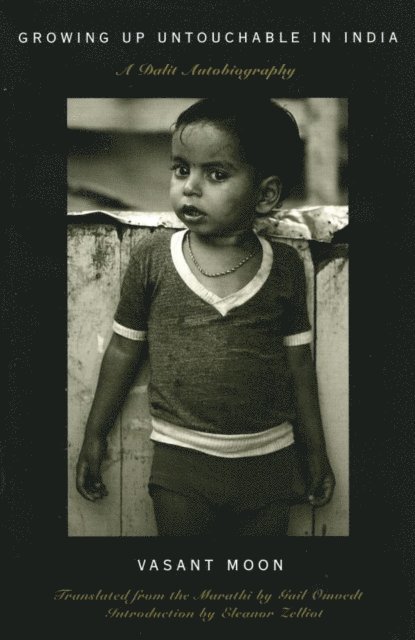
Growing up Untouchable in India
A Dalit Autobiography
Av Vasant Moon, Gail Omvedt m. fl.
E-bok, 2002
548 kr
Lägg i varukorg
There is much in Vasant Moon''s story of his vasti, his childhood neighborhood in India, that would probably be true of any ghetto anywhere in the world. There is hunger and deprivation, to be sure, but also a sense of community, an easy acceptance of petty crime and violence, the saving grace of …
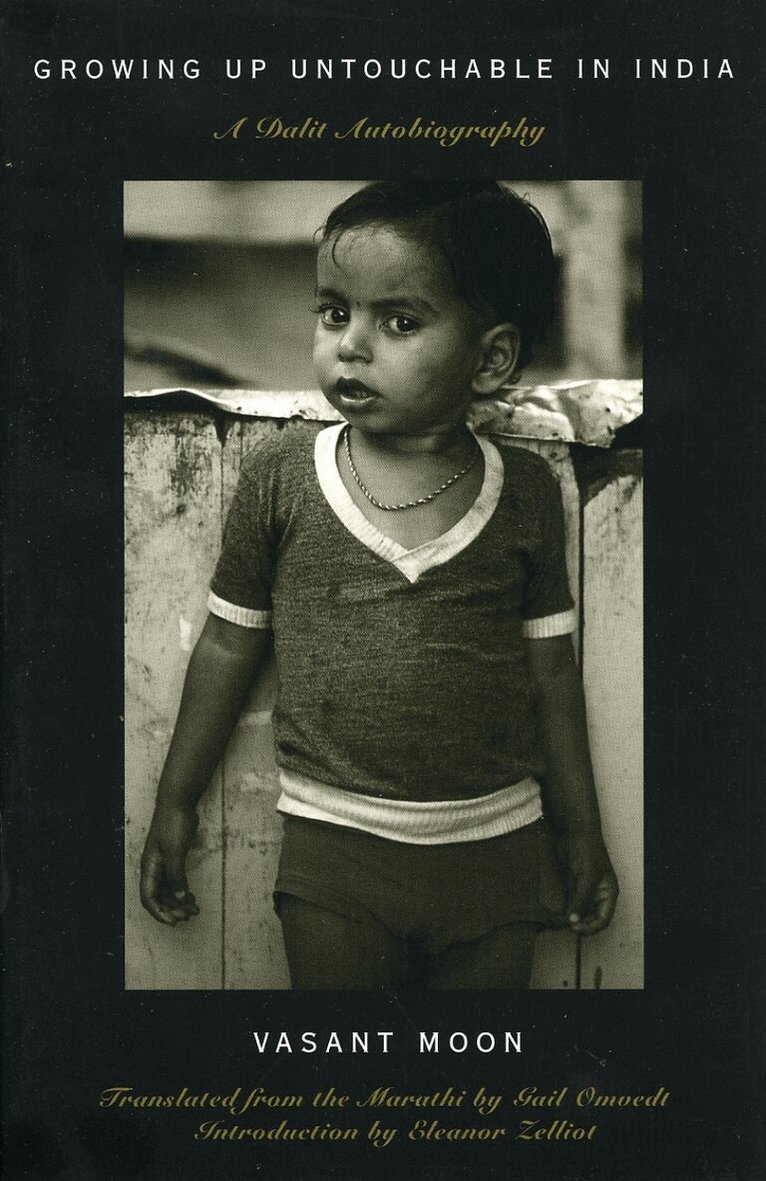
Growing up Untouchable in India
A Dalit Autobiography
Av Vasant Moon, Gail Omvedt m. fl.
Häftad, 2000
818 kr
Lägg i varukorg
There is much in Vasant Moon's extraordinary story of his vasti, his childhood neighbourhood in India, that would probably be true of any urban ghetto anywhere in the world. But there is much that is peculiarly and vividly Indian. In this first autobiography of a so-called Untouchable, we learn …
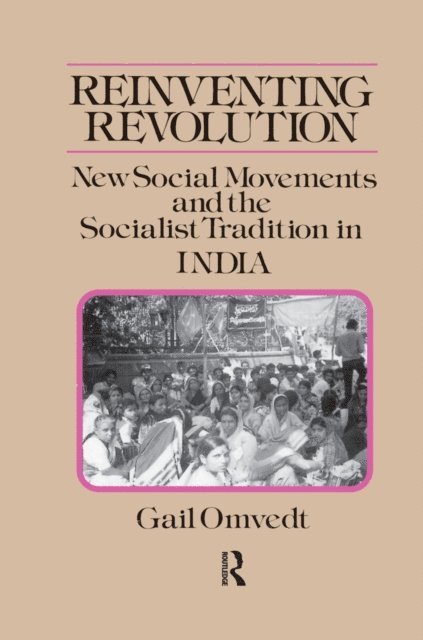
Reinventing Revolution
New Social Movements and the Socialist Tradition in India
Av Gail Omvedt
Inbunden, 1993
2578 kr
Lägg i varukorg
This study describes and analyses the new social movements that have arisen in India over the past two decades, in particular the anti-caste movement (of both the untouchables and the lower-middle castes), the women's liberation movement, the farmers' movement (centred on struggles arising out of …
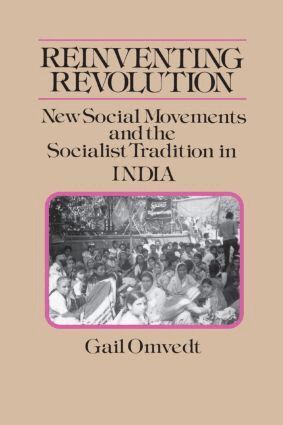
Reinventing Revolution
New Social Movements and the Socialist Tradition in India
Av Gail Omvedt
Häftad, 1993
770 kr
Lägg i varukorg
This study describes and analyses the new social movements that have arisen in India over the past two decades, in particular the anti-caste movement (of both the untouchables and the lower-middle castes), the women's liberation movement, the farmers' movement (centred on struggles arising out of …
Reinventing Revolution
New Social Movements and the Socialist Tradition in India
Av Gail Omvedt
E-bok, 2019
883 kr
Lägg i varukorg
This study describes and analyses the new social movements that have arisen in India over the past two decades, in particular the anti-caste movement (of both the untouchables and the lower-middle castes), the women's liberation movement, the farmers' movement (centred on struggles arising out of …
Reinventing Revolution
New Social Movements and the Socialist Tradition in India
Av Gail Omvedt
E-bok, 2019
855 kr
Lägg i varukorg
This study describes and analyses the new social movements that have arisen in India over the past two decades, in particular the anti-caste movement (of both the untouchables and the lower-middle castes), the women's liberation movement, the farmers' movement (centred on struggles arising out of …
Growing up Untouchable in India
A Dalit Autobiography
Av Vasant Moon, Gail Omvedt m. fl.
Inbunden, 2000
915 kr
Tillfälligt slut
There is much in Vasant Moon's story of his vasti, his childhood neighborhood in India, that would probably be true of any ghetto anywhere in the world. There is hunger and deprivation, to be sure, but also a sense of community, an easy acceptance of petty crime and violence, the saving grace of …