Gaines M. Foster – författare
Visar alla böcker från författaren Gaines M. Foster. Handla med fri frakt och snabb leverans.
8 produkter
8 produkter
Häftad, Engelska, 1989
661 kr
Skickas inom 5-8 vardagar
Through an examination of memoirs, personal papers, and postwar Confederate rituals, this book explores how white southerners adjusted to and interpreted their defeat, and analyses the cultural implications of a central event in American history. Foster argues that, contrary to southern folklore, southerners actually accepted their loss, rapidly embraced both reunion and a New South, and helped to foster sectional reconciliation and an emerging social order.

E-bok
PDF, Engelska, 1987513 kr
Läs direkt efter köp
After Lee and Grant met at Appomatox Court House in 1865 to sign the document ending the long and bloody Civil War, the South at last had to face defeat as the dream of a Confederate nation melted into the Lost Cause. Through an examination of memoirs, personal papers, and postwar Confederate rituals such as memorial day observances, monument unveilings, and veterans'' reunions, Ghosts of the Confederacy probes into how white southerners adjusted to and interpreted their defeat and explores the cultural implications of a central event in American history. Foster argues that, contrary to southern folklore, southerners actually accepted their loss, rapidly embraced both reunion and a New South, and helped to foster sectional reconciliation and an emerging social order. He traces southerners'' fascination with the Lost Cause--showing that it was rooted as much in social tensions resulting from rapid change as it was in the legacy of defeat--and demonstrates that the public celebration of the war helped to make the South a deferential and conservative society. Although the ghosts of the Confederacy still haunted the New South, Foster concludes that they did little to shape behavior in it--white southerners, in celebrating the war, ultimately trivialized its memory, reduced its cultural power, and failed to derive any special wisdom from defeat.

E-bok
Engelska, 1987456 kr
Läs direkt efter köp
After Lee and Grant met at Appomatox Court House in 1865 to sign the document ending the long and bloody Civil War, the South at last had to face defeat as the dream of a Confederate nation melted into the Lost Cause. Through an examination of memoirs, personal papers, and postwar Confederate rituals such as memorial day observances, monument unveilings, and veterans'' reunions, Ghosts of the Confederacy probes into how white southerners adjusted to and interpreted their defeat and explores the cultural implications of a central event in American history. Foster argues that, contrary to southern folklore, southerners actually accepted their loss, rapidly embraced both reunion and a New South, and helped to foster sectional reconciliation and an emerging social order. He traces southerners'' fascination with the Lost Cause--showing that it was rooted as much in social tensions resulting from rapid change as it was in the legacy of defeat--and demonstrates that the public celebration of the war helped to make the South a deferential and conservative society. Although the ghosts of the Confederacy still haunted the New South, Foster concludes that they did little to shape behavior in it--white southerners, in celebrating the war, ultimately trivialized its memory, reduced its cultural power, and failed to derive any special wisdom from defeat.
Inbunden, Engelska, 2024
512 kr
Skickas inom 5-8 vardagar
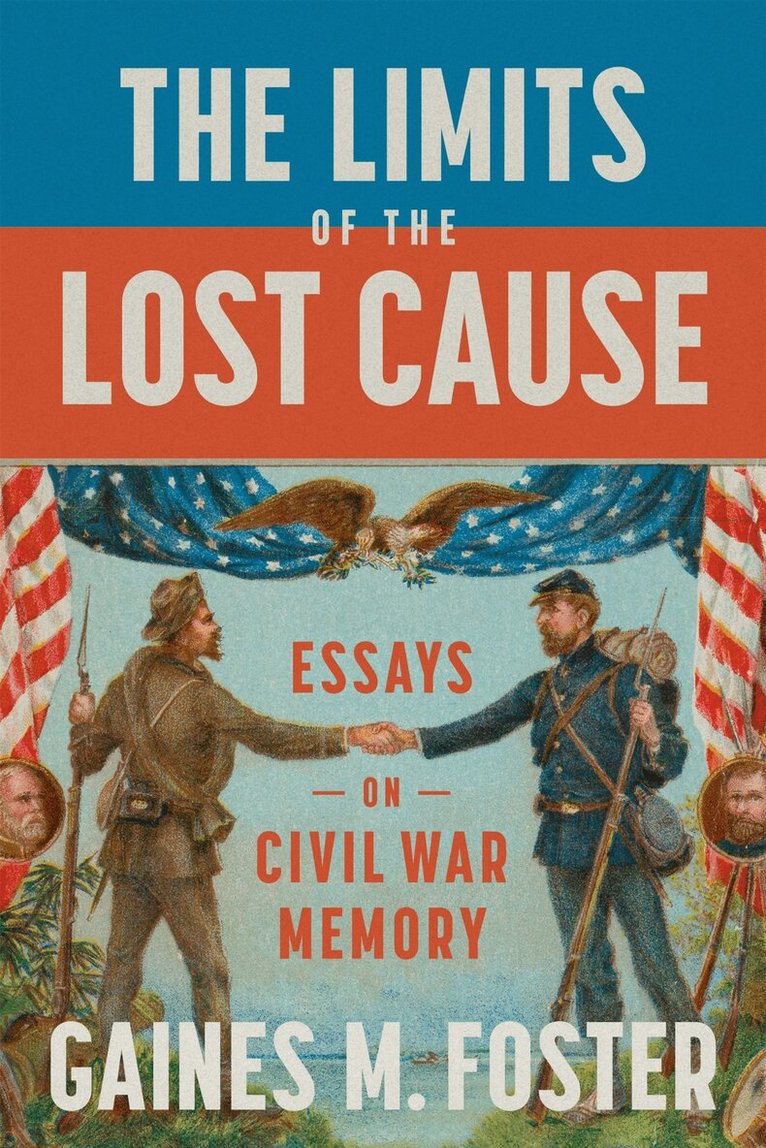
The Limits of the Lost Cause challenges prevailing ways of thinking about the impact of the Civil War on the American South. Above all, Gaines Foster's work encourages Americans to confront the new divisions within their society even as they wrestle with old national—not just southern—failings.
Häftad, Engelska, 2002
463 kr
Skickas inom 10-15 vardagar
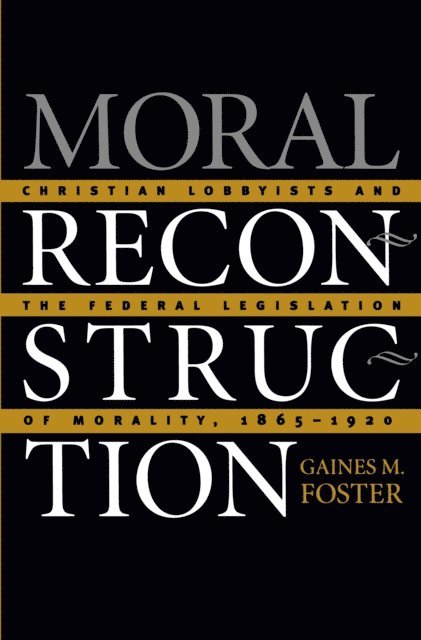
Between 1865 and 1920, Congress passed laws to regulate obscenity, sexuality, divorce, gambling, and prizefighting. It forced Mormons to abandon polygamy, attacked interstate prostitution, made narcotics contraband, and stopped the manufacture and sale of alcohol. Gaines Foster explores the force behind this unprecedented federal regulation of personal morality - a combined Christian lobby. Foster analyzes the fears of appetite and avarice that led organizations such as the Women's Christian Temperance Union and the National Reform Association to call for moral legislation and examines the efforts and interconnections of the men and women who lobbied for it. His account underscores the crucial role white southerners played in the rise of moral reform after 1890. With emancipation, white southerners no longer needed to protect slavery from federal intervention, and they seized on moral legislation as a tool for controlling African Americans. Enriching our understanding of the aftermath of the Civil War and the expansion of national power, Moral Reconstruction also offers valuable insight into the link between historical and contemporary efforts to legislate morality.
E-bok
Engelska, 2003507 kr
Läs direkt efter köp
Between 1865 and 1920, Congress passed laws to regulate obscenity, sexuality, divorce, gambling, and prizefighting. It forced Mormons to abandon polygamy, attacked interstate prostitution, made narcotics contraband, and stopped the manufacture and sale of alcohol. Gaines Foster explores the force behind this unprecedented federal regulation of personal morality--a combined Christian lobby.Foster analyzes the fears of appetite and avarice that led organizations such as the Women''s Christian Temperance Union and the National Reform Association to call for moral legislation and examines the efforts and interconnections of the men and women who lobbied for it. His account underscores the crucial role white southerners played in the rise of moral reform after 1890. With emancipation, white southerners no longer needed to protect slavery from federal intervention, and they seized on moral legislation as a tool for controlling African Americans.Enriching our understanding of the aftermath of the Civil War and the expansion of national power, Moral Reconstruction also offers valuable insight into the link between historical and contemporary efforts to legislate morality.
Häftad, Engelska, 2005
262 kr
Skickas inom 5-8 vardagar
E-bok
PDF, Engelska, 2003505 kr
Läs direkt efter köp
Between 1865 and 1920, Congress passed laws to regulate obscenity, sexuality, divorce, gambling, and prizefighting. It forced Mormons to abandon polygamy, attacked interstate prostitution, made narcotics contraband, and stopped the manufacture and sale of alcohol. Gaines Foster explores the force behind this unprecedented federal regulation of personal morality--a combined Christian lobby.Foster analyzes the fears of appetite and avarice that led organizations such as the Women''s Christian Temperance Union and the National Reform Association to call for moral legislation and examines the efforts and interconnections of the men and women who lobbied for it. His account underscores the crucial role white southerners played in the rise of moral reform after 1890. With emancipation, white southerners no longer needed to protect slavery from federal intervention, and they seized on moral legislation as a tool for controlling African Americans.Enriching our understanding of the aftermath of the Civil War and the expansion of national power, Moral Reconstruction also offers valuable insight into the link between historical and contemporary efforts to legislate morality.