Garima Pal – författare
Visar alla böcker från författaren Garima Pal. Handla med fri frakt och snabb leverans.
6 produkter
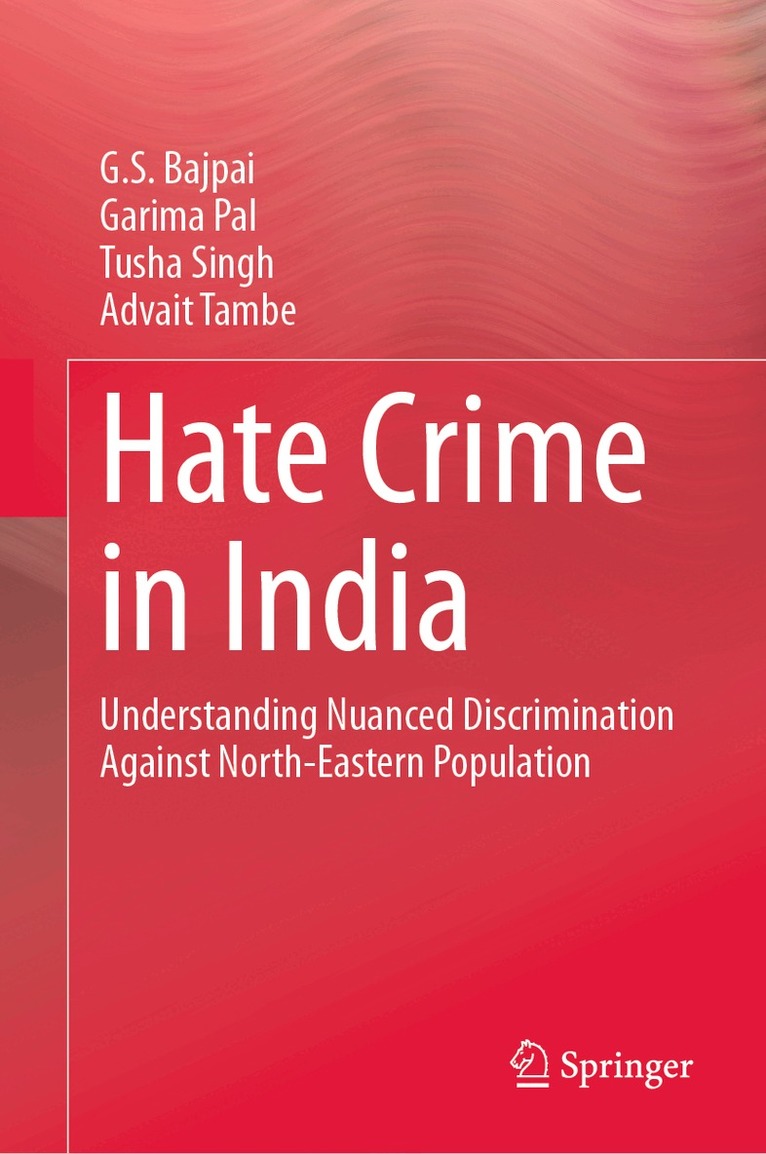
Hate Crime in India
Understanding Nuanced Discrimination Against North-Eastern Population
Av G. S. Bajpai, Garima Pal m. fl.
Inbunden, 2023
1313 kr
Lägg i varukorg
This book investigates perceptions against the people of north-east India, and why such prejudicial attitude exists. It subsequently quantifies and develops measures to counter such stereotypes and affiliated violence.This research examines the north-east Indian population’s and the general Indian …
Hate Crime in India
Understanding Nuanced Discrimination Against North-Eastern Population
Av Advait Tambe, Tusha Singh m. fl.
E-bok, 2023
1214 kr
Lägg i varukorg
This book investigates perceptions against the people of north-east India, and why such prejudicial attitude exists. It subsequently quantifies and develops measures to counter such stereotypes and affiliated violence. This research examines the north-east Indian population’s and the general Indian …
Hate Crime in India : Understanding Nuanced Discrimination Against North-Eastern Population
2023
613 kr
Lägg i varukorg
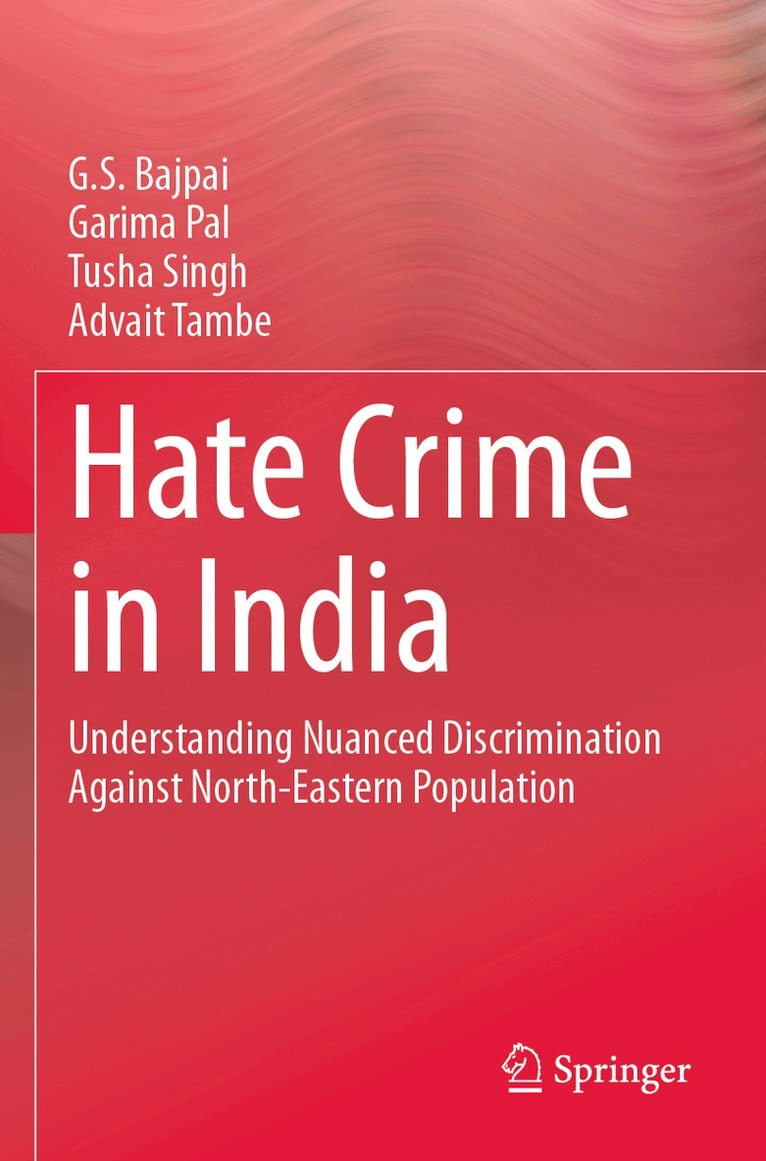
Hate Crime in India
Understanding Nuanced Discrimination Against North-Eastern Population
Av G. S. Bajpai, Garima Pal m. fl.
Häftad, 2024
932 kr
Lägg i varukorg
This book investigates perceptions against the people of north-east India, and why such prejudicial attitude exists. It subsequently quantifies and develops measures to counter such stereotypes and affiliated violence.This research examines the north-east Indian population’s and the general Indian …
Criminalization
Politics and Policies
Häftad, 2025
334 kr
Lägg i varukorg
A groundbreaking analysis of the relationship between politics, policies, and criminalization.This anthology scrutinizes the impact of law, society, politics, and penal populism on criminalization across legal systems, advocating for a reassessment of criminal law's scope. Criminalization delves …
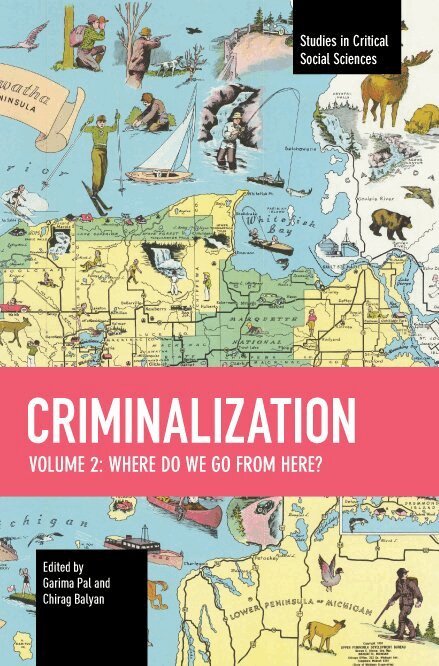
Criminalization Vol. II
Where Do We Go from Here?
Häftad, 2025
334 kr
Lägg i varukorg
The second of two volumes, Criminalization: Where Do We Go from Here embarks on an exploration of the historical roots of over-criminalization.The authors trace its origins back to ancient legal systems and societal norms, elucidating the evolution of the legal framework alongside shifting …