Gary Fiskum - Böcker
Visar alla böcker från författaren Gary Fiskum. Handla med fri frakt och snabb leverans.
3 produkter
3 produkter
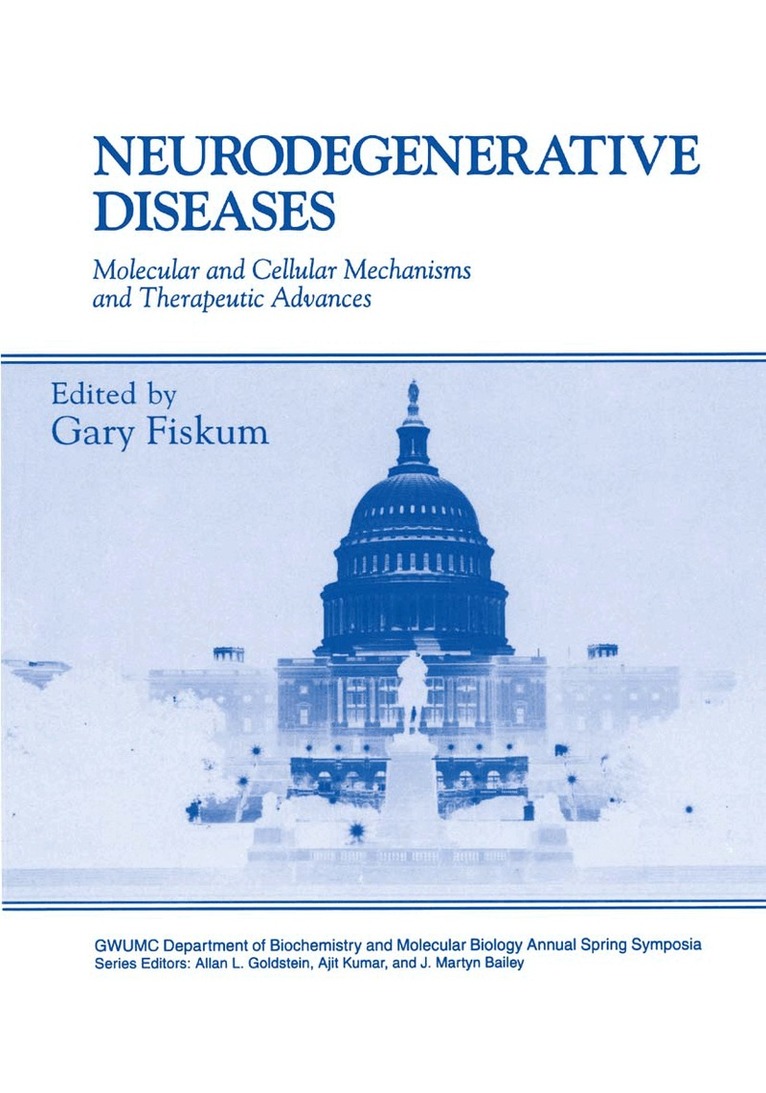
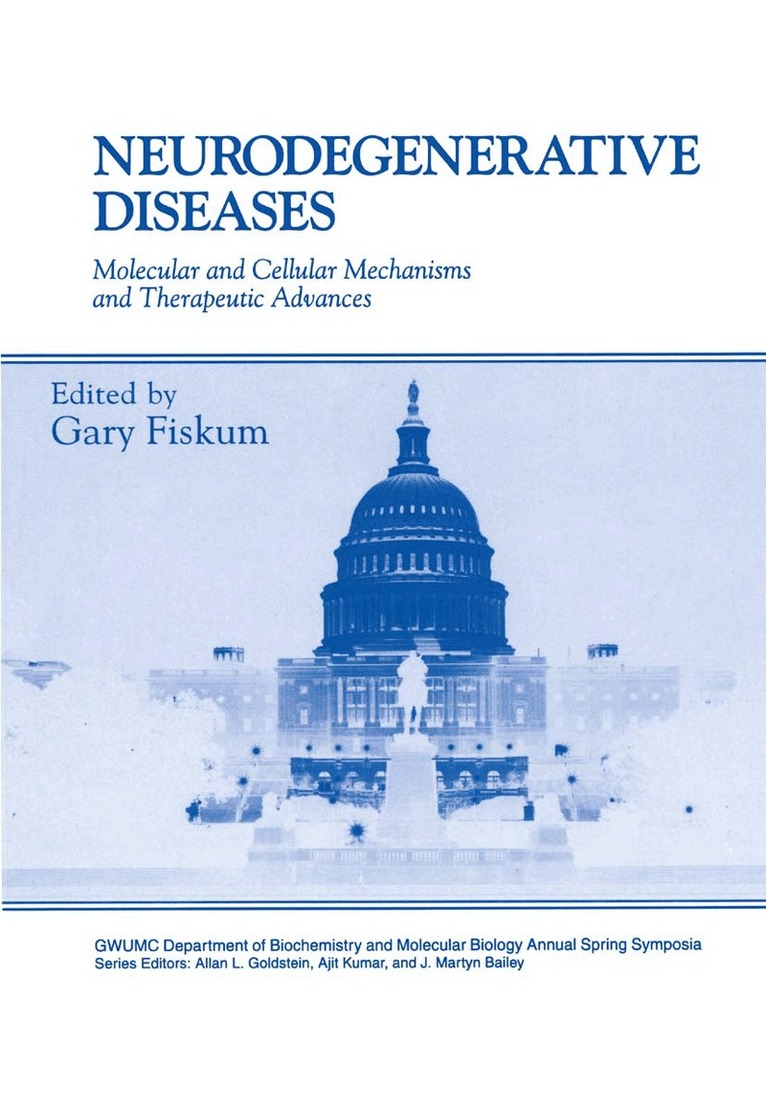
Neurodegenerative Diseases
Molecular and Cellular Mechanisms and Therapeutic Advances
Inbunden, Engelska, 1996
2 185 kr
Skickas inom 10-15 vardagar
This book presents much of the exciting new information on mechanisms of neurodegenerative disorders that was presented at the XVth International Spring Symposium on Health Sciences at George Washington University in Washington, D.C. The organization of the symposium as weIl as the chapters within this book were based upon fundamental molecular and cellular mechanisms of neurodegeneration rather than upon different clinically defined disorders, in order to emphasize the commonality of cause rather than effect. The first part of the book is devoted to the relationships between selective vulnerability of different neuronal cell types to injury and their functional characteristics related to the transport, binding, and responses for excitatory amino acids, e.g., glutamate, as weIl as other neurotransmitters involved in toxicity. These relationships are studied in the context of neurodegeneration associated with several disorders including Parkinson's disease, amyotrophic lateral sclerosis (ALS), cerebral ischemia, and AIDS dementia. Part 11 emphasizes the role of amyloid proteins in neurodegeneration but also covers other molecular and genetic risk factors, e.g., expression of different apo lipoprotein isoforms and the involvement of abnormal superoxide dismutase in neuropathology.These topics are applied primarily to the aging brain, Alzheimer's disease, and ALS.
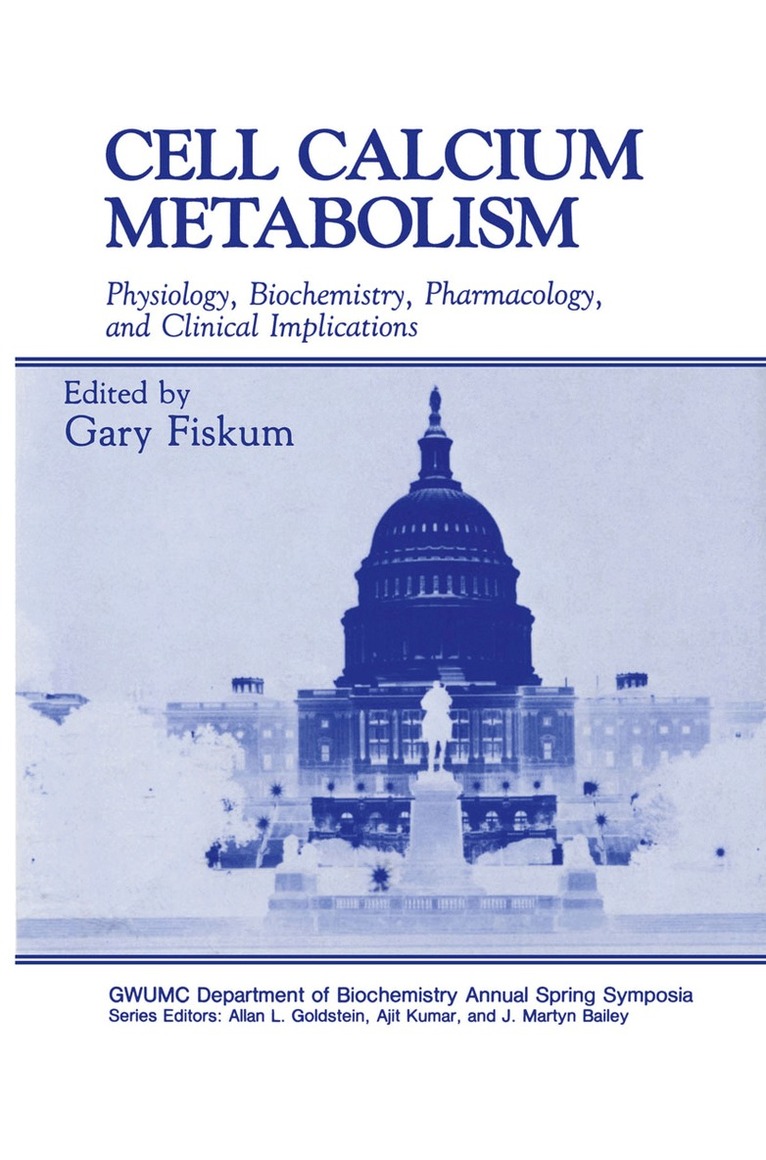
Cell Calcium Metabolism
Physiology, Biochemistry, Pharmacology, and Clinical Implications
Häftad, Engelska, 2012
552 kr
Skickas inom 10-15 vardagar
A widespread appreciation for the role that calcium plays in cell physiology and patho physiology has now been achieved due to the pioneering studies of many of the scientists who attended the VIIth International Spring Symposium on Health Sciences at George Washington University in Washington, D. C. The participants in this unique meeting rep resented diverse fields of basic and clinical research, such as molecular physiology, oncology, molecular genetics, cardiology, bioenergetics, pathology, and endocrinology. The content of the proceedings of the symposium represents work in these and other areas of biomedical research. Organization of the book is aimed at striking a balance between the biochemistry 2 and physiology of normal cell Ca + metabolism and the pathological consequences of al 2 terations in cell Ca + homeostasis. The first section of the book is devoted to the transport mechanisms responsible for 2 2 regulating intracellular Ca + and the pharmacological modalities for controlling cell Ca + . Particular attention is given to the molecular basis for plasma membrane transport activities, 2 2 including the ATP-driven Ca + pump, the Na + -Ca + exchange system, and voltage sensitive 2 Ca + channels. The second section covers the exciting relationships between phosphoinositide metab 2 olism, signal transduction, and cell Ca + metabolism. This section begins with an eloquent overview by Professor Michael Berridge, who was the keynote speaker at the symposium and the recipient of the scientific merit award.
Neurodegenerative Diseases
Molecular and Cellular Mechanisms and Therapeutic Advances
Häftad, Engelska, 2013
1 937 kr
Skickas inom 3-6 vardagar
This book presents much of the exciting new information on mechanisms of neurodegenerative disorders that was presented at the XVth International Spring Symposium on Health Sciences at George Washington University in Washington, D.C. The organization of the symposium as weIl as the chapters within this book were based upon fundamental molecular and cellular mechanisms of neurodegeneration rather than upon different clinically defined disorders, in order to emphasize the commonality of cause rather than effect. The first part of the book is devoted to the relationships between selective vulnerability of different neuronal cell types to injury and their functional characteristics related to the transport, binding, and responses for excitatory amino acids, e.g., glutamate, as weIl as other neurotransmitters involved in toxicity. These relationships are studied in the context of neurodegeneration associated with several disorders including Parkinson's disease, amyotrophic lateral sclerosis (ALS), cerebral ischemia, and AIDS dementia. Part 11 emphasizes the role of amyloid proteins in neurodegeneration but also covers other molecular and genetic risk factors, e.g., expression of different apo lipoprotein isoforms and the involvement of abnormal superoxide dismutase in neuropathology.These topics are applied primarily to the aging brain, Alzheimer's disease, and ALS.