Gaye Tuchman – författare
Visar alla böcker från författaren Gaye Tuchman. Handla med fri frakt och snabb leverans.
6 produkter
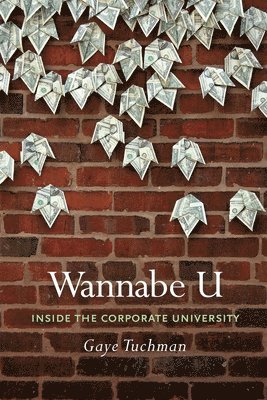
Wannabe U
Inside the Corporate University
Av Gaye Tuchman
Häftad, 2011
301 kr
Lägg i varukorg
Based on years of observation at a large state university, "Wannabe U" tracks the dispiriting consequences of trading in traditional educational values for loyalty to the market. Aping their boardroom idols, the new corporate administrators at such universities wander from job to job and …
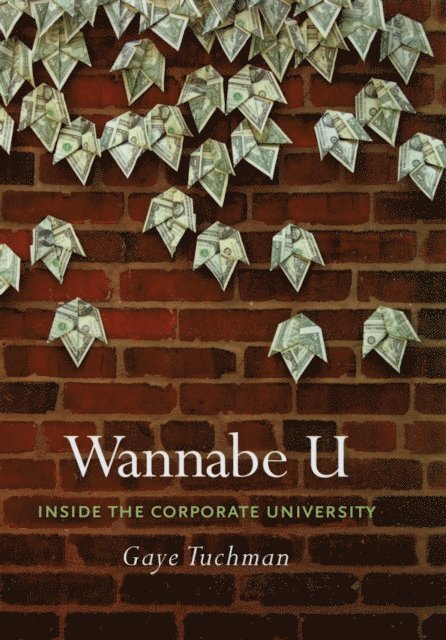
Wannabe U
Inside the Corporate University
Av Gaye Tuchman
E-bok, 2009
460 kr
Lägg i varukorg
Based on years of observation at a large state university, Wannabe U tracks the dispiriting consequences of trading in traditional educational values for loyalty to the market. Aping their boardroom idols, the new corporate administrators at such universities wander from job to job and reductively …
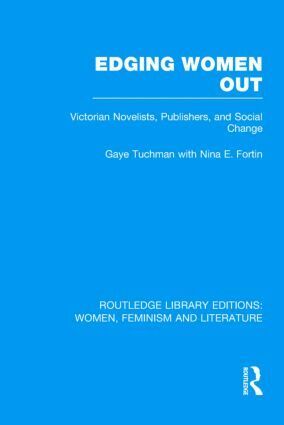
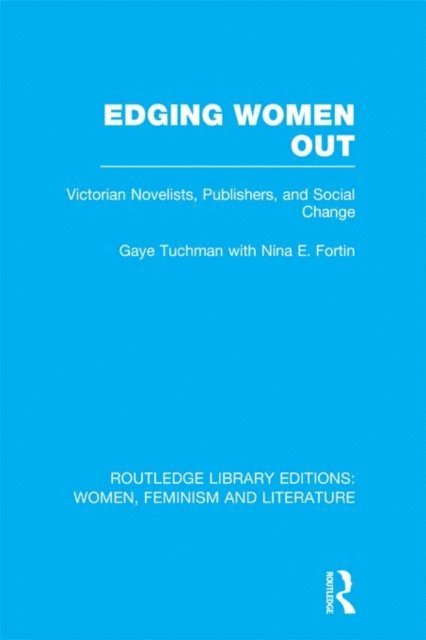
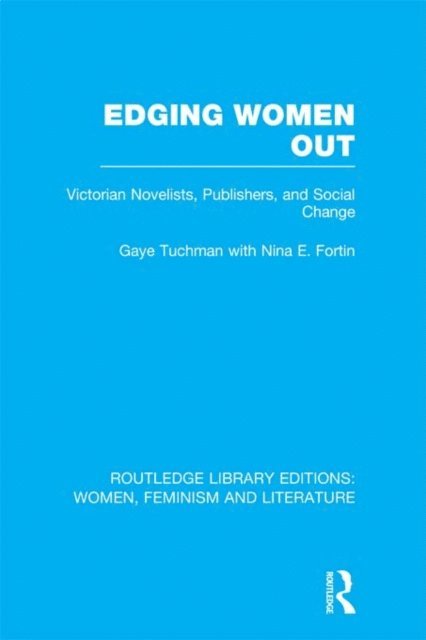
Edging Women Out
Victorian Novelists, Publishers and Social Change
Av Gaye Tuchman
Inbunden, 2012
2879 kr
Lägg i varukorg
Before about 1840, there was little prestige attached to the writing of novels, and most English novelists were women. By the turn of the twentieth century, "men of letters" acclaimed novels as a form of great literature, and most critically successful novelists were men. In the book, sociologist …
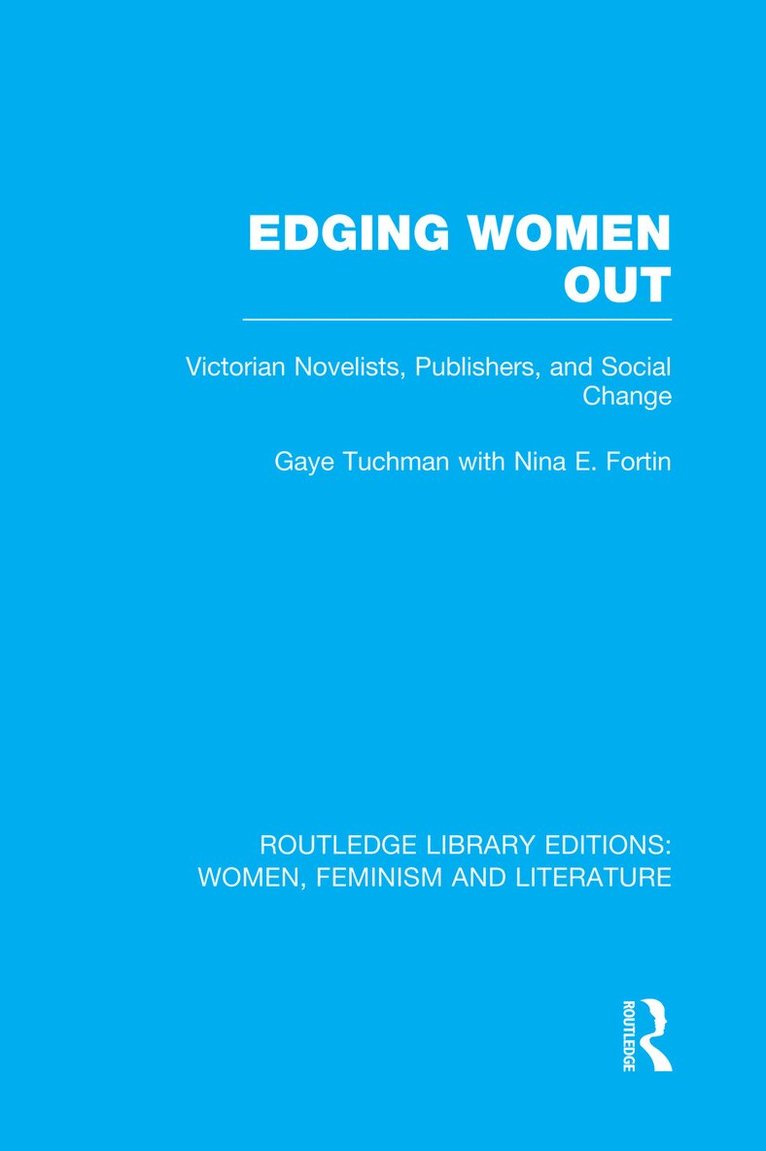
Edging Women Out
Victorian Novelists, Publishers and Social Change
Av Gaye Tuchman
Häftad, 2014
859 kr
Lägg i varukorg
Before about 1840, there was little prestige attached to the writing of novels, and most English novelists were women. By the turn of the twentieth century, "men of letters" acclaimed novels as a form of great literature, and most critically successful novelists were men. In the book, sociologist …
Edging Women Out
Victorian Novelists, Publishers and Social Change
Av Gaye Tuchman
E-bok, 2012
1016 kr
Lägg i varukorg
Before about 1840, there was little prestige attached to the writing of novels, and most English novelists were women. By the turn of the twentieth century, "men of letters" acclaimed novels as a form of great literature, and most critically successful novelists were men. In the book, sociologist …
Edging Women Out
Victorian Novelists, Publishers and Social Change
Av Gaye Tuchman
E-bok, 2012
994 kr
Lägg i varukorg
Before about 1840, there was little prestige attached to the writing of novels, and most English novelists were women. By the turn of the twentieth century, "men of letters" acclaimed novels as a form of great literature, and most critically successful novelists were men. In the book, sociologist …