Gbenga Sesan - Böcker
Visar alla böcker från författaren Gbenga Sesan. Handla med fri frakt och snabb leverans.
2 produkter
2 produkter
825 kr
Kommande
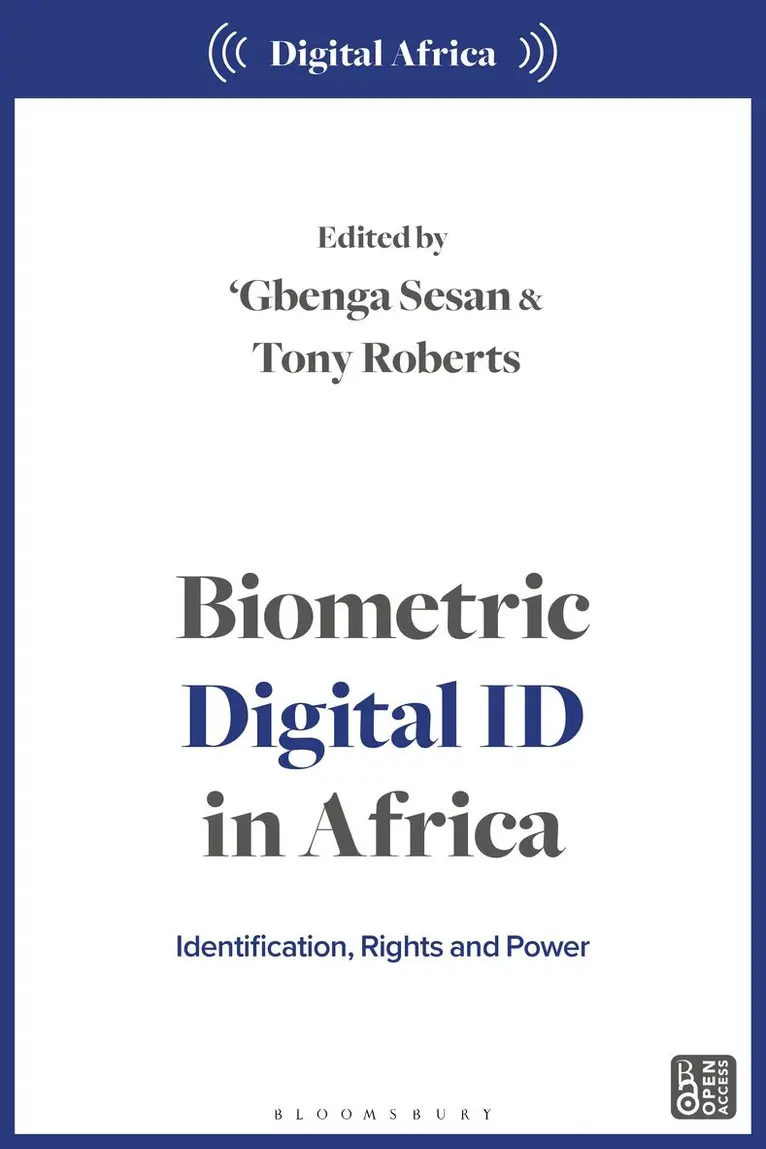
Gathering nine country case studies from every region in Africa, this open access book explores who biometric digital-ID benefits and who it disadvantages. As technological advancements lead to widespread adoption of digital-IDs across the world, concerns are emerging regarding their potential role in mass surveillance, human rights violations, state control,and political influence. While millions of African citizens benefit from the increased speed and convenience of being able to digitally verify their entitlement to certain services, many rural, elderly, illiterate, disabled, and stateless people are now unable to access the same services. The effects of digital identification systems on citizens rights and power relations in Africa are not well understood. This book addresses that deficit. Each chapter is written by digital rights researchers or emerging African scholars, and offers in-depth examinations of these crucial issues through the real-life experiences of African citizens. Each chapter is situates the emergence of biometric digital-ID within that country's specific political and economic context, as well as its pre-digital forms of identification and governance. The ebook editions of this book are available open access under a CC BY-NC-ND 4.0 licence on bloomsburycollections.com. Open access was funded by the Open Society Foundations.
284 kr
Kommande
Gathering nine country case studies from every region in Africa, this open access book explores who biometric digital-ID benefits and who it disadvantages. As technological advancements lead to widespread adoption of digital-IDs across the world, concerns are emerging regarding their potential role in mass surveillance, human rights violations, state control,and political influence. While millions of African citizens benefit from the increased speed and convenience of being able to digitally verify their entitlement to certain services, many rural, elderly, illiterate, disabled, and stateless people are now unable to access the same services. The effects of digital identification systems on citizens rights and power relations in Africa are not well understood. This book addresses that deficit. Each chapter is written by digital rights researchers or emerging African scholars, and offers in-depth examinations of these crucial issues through the real-life experiences of African citizens. Each chapter is situates the emergence of biometric digital-ID within that country's specific political and economic context, as well as its pre-digital forms of identification and governance. The ebook editions of this book are available open access under a CC BY-NC-ND 4.0 licence on bloomsburycollections.com. Open access was funded by the Open Society Foundations.