Gene Eric Salecker – författare
Visar alla böcker från författaren Gene Eric Salecker. Handla med fri frakt och snabb leverans.
8 produkter
8 produkter
Inbunden, Engelska, 2014
405 kr
Skickas inom 10-15 vardagar
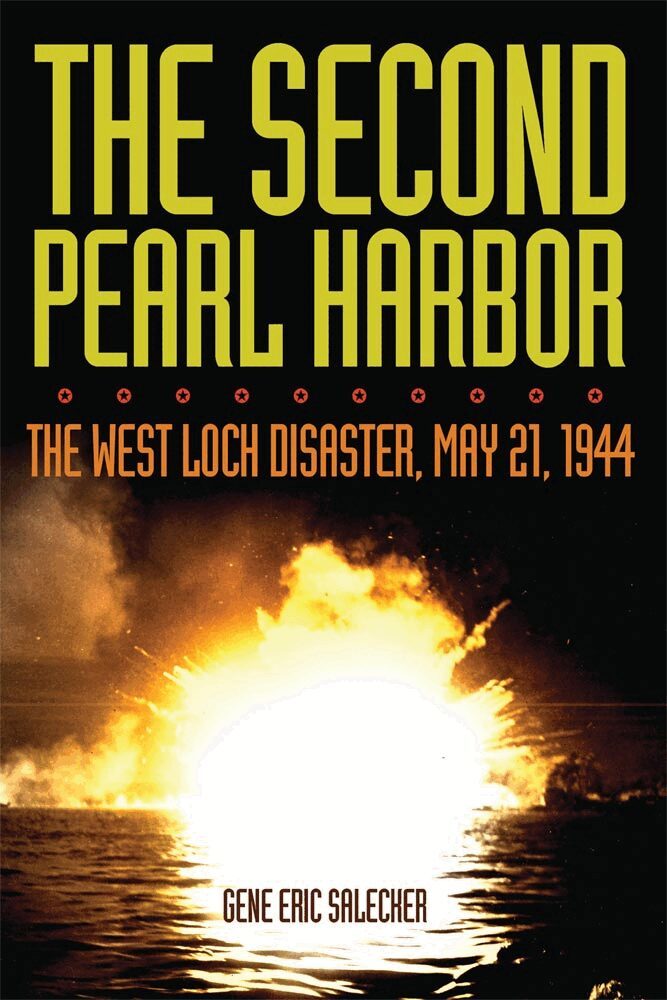
In May 1944, with American forces closing in on the Japanese mainland, the Fifth Fleet Amphibious Force was preparing to invade Saipan. Control of this island would put enemy cities squarely within range of the B-29 bomber. The navy had assembled a fleet of landing ship tanks (LSTs) in the West Loch section of Pearl Harbor. On May 21, an explosion tore through the calm afternoon sky, spreading fire and chaos through the ordnance-packed vessels. When the fires had been brought under control, six LSTs had been lost, many others were badly damaged, and more than 500 military personnel had been killed or injured. To ensure the success of those still able to depart for the invasion - miraculously, only one day late - the navy at once issued a censorship order, which has kept this disaster from public scrutiny for seventy years.The Second Pearl Harbor is the first book to tell the full story of what happened on that fateful day. Military historian Gene Salecker recounts the events and conditions leading up to the explosion, then re-creates the drama directly afterward: men swimming through flaming oil, small craft desperately trying to rescue the injured, and subsequent explosions throwing flaming debris everywhere. With meticulous attention to detail the author explains why he and other historians believe that the official explanation for the cause of the explosion, that a mortar shell was accidentally detonated, is wrong.This in-depth account of a little-known incident adds to our understanding of the dangers during World War II, even far from the front, and restores a missing chapter to history.
Häftad, Engelska, 2018
249 kr
Skickas inom 10-15 vardagar
In May 1944, with American forces closing in on the Japanese mainland, the Fifth Fleet Amphibious Force was preparing to invade Saipan. Control of this island would put enemy cities squarely within range of the B-29 bomber. The navy had assembled a fleet of landing ship tanks (LSTs) in the West Loch section of Pearl Harbor. On May 21, an explosion tore through the calm afternoon sky, spreading fire and chaos through the ordnance-packed vessels. When the fires had been brought under control, six LSTs had been lost, many others were badly damaged, and more than 500 military personnel had been killed or injured. To ensure the success of those still able to depart for the invasion - miraculously, only one day late - the navy at once issued a censorship order, which has kept this disaster from public scrutiny for seventy years.The Second Pearl Harbor is the first book to tell the full story of what happened on that fateful day. Military historian Gene Salecker recounts the events and conditions leading up to the explosion, then re-creates the drama directly afterward: men swimming through flaming oil, small craft desperately trying to rescue the injured, and subsequent explosions throwing flaming debris everywhere. With meticulous attention to detail the author explains why he and other historians believe that the official explanation for the cause of the explosion, that a mortar shell was accidentally detonated, is wrong.This in-depth account of a little-known incident adds to our understanding of the dangers during World War II, even far from the front, and restores a missing chapter to history.
Inbunden, Engelska, 2008
391 kr
Skickas inom 7-10 vardagar
Although the history of armor in World War II has captured the attention of countless authors, no one has yet chronicled the extensive use of tanks in the Pacific, until now. In comprehensive detail Gene Eric Salecker describes the exploits of American tanks on the jungle islands where troops engaged in savage combat and encountered unforgiving weather and terrain. Stationed in the Philippines when the Japanese attacked the islands in 1941, the U.S. Army s independent tank battalions fought from the very start of the war. From New Guinea and the Solomons to the Ryukyus, American armor proved instrumental in winning World War II in the Pacific.
Häftad, Engelska, 2010
224 kr
Skickas inom 7-10 vardagar
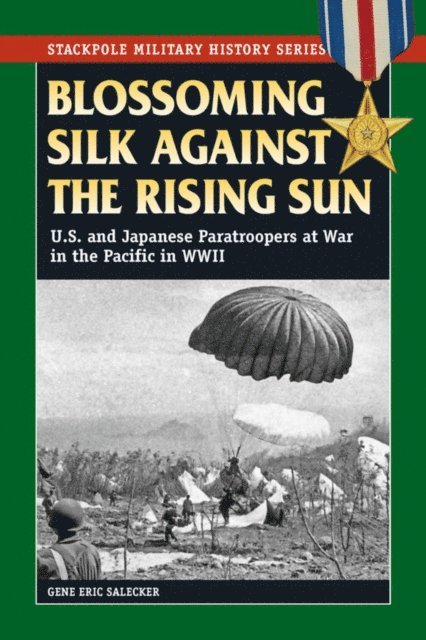
From the attack on Pearl Harbor on December 7, 1941, through Japan’s surrender in September 1945, the Americans and Japanese conducted a total of twelve combat parachute drops in the Pacific theatre of World War II, seven by the U.S. and five by Japan. Filling a glaring gap in the historical record of the war and relying largely on the words of the participants, Gene Eric Salecker recounts all twelve drops, placing each in the context of the campaign, explaining why each succeeded or failed, and highlighting the courage and esprit de corps of paratroopers on both sides.About the AuthorGene Eric Salecker is also the author of Rolling Thunder against the Rising Sun.
E-bok
Engelska, 2010649 kr
Läs direkt efter köp
Complete account of airborne operations in the Pacific theater. Firsthand descriptions from American and Japanese paratroopers. Detailed maps illustrate battles.
Häftad, Engelska, 2023
581 kr
Skickas inom 5-8 vardagar
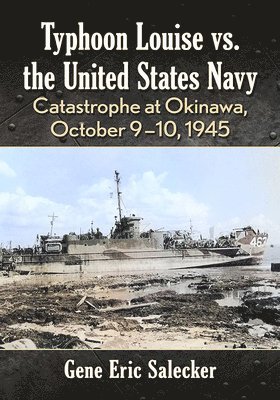
World War II was over and the U.S. was still using the captured Japanese island of Okinawa as a major naval base. Hundreds of vessels dotted the numerous bays and inlets, and thousands of military personnel occupied the island.In October 1945, Typhoon Louise tore into Okinawa, slamming ships together and tossing them onto reefs and beaches. Terrible winds tore up tent cities and disintegrated corrugated tin Quonset huts. One hundred people died and 383 ships of all sizes were sunk or damaged. This book tells the full story of the typhoon historian Samuel Eliot Morison called "the most furious and lethal storm ever encountered by the United States Navy."
Häftad, Engelska, 2026
435 kr
Skickas
E-bok
Engelska, 2022511 kr
Läs direkt efter köp
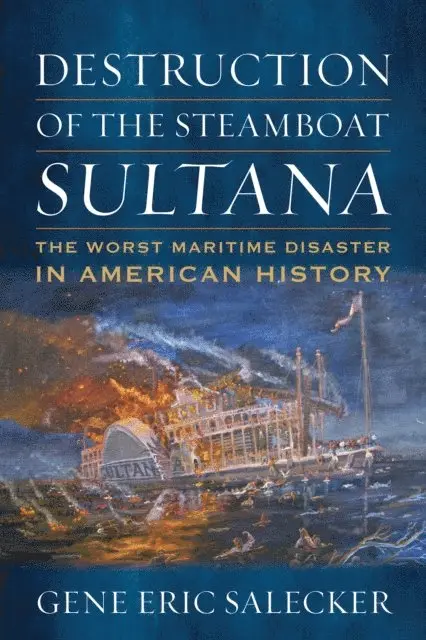
The Sultana was a sidewheel Mississippi steamboat carrying almost two thousand recently-released Union prisoners-of-war back north at the end of the Civil War. At 2:00 a.m. on April 27, 1865, when the boat was seven miles above Memphis, her boilers exploded. Almost 1,200 people perished in the worst maritime disaster in United States history. Gene Eric Salecker covers this disaster in detail and dispels the many myths that have been connected to the Sultana for too long. Almost every author who has written about the Sultana has relied on the words of a few survivors or referred to the works of previous authors to get their story. Advancing the scholarship, the author has visited the National Archives in Washington, DC, to comb through the handwritten transcripts of the three investigative bodies that looked into the disaster or poured over the handwritten testimony from the court-martial trial of Capt. Frederic Speed, the only person tried for the overcrowding of the vessel. In 1996, after extensive research and using the most current sources available at that time, Salecker wrote Disaster on the Mississippi: The Sultana Explosion, April 27, 1865. Still, there were inevitable omissions. After almost twenty-five years of continued research on the Sultana, and all those involved in the disaster, Salecker has gleaned unparalleled knowledge into every aspect of the disaster. His research, covering the National Archives, and thousands of pages of newspapers from around the world and government documents, including pension records and service records, has allowed Gene to tell the story of the Sultana as completely as possible. By bringing his research back to primary sources, Salecker dispels myths and adds to the story of the Sultana. In Destruction of the Steamboat Sultana: The Worst Maritime Disaster in American History paroled prisoners, civilian passengers, guards, crew members, rescuers, and eyewitnesses tell their stories in their own words. The true, and complete, story about the Sultana and the disaster has finally, and fully, been told.