Geoffrey L. Dipple – författare
Visar alla böcker från författaren Geoffrey L. Dipple. Handla med fri frakt och snabb leverans.
3 produkter
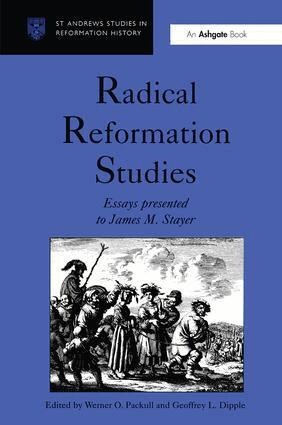
Radical Reformation Studies
Essays Presented to James M. Stayer
Av Werner O. Packull, Geoffrey L. Dipple
Inbunden, 1999
2504 kr
Lägg i varukorg
This review brings together new research in three areas of Anabaptist studies and the Radical Reformation. Part One focuses on sixteenth-century Anabaptism, re-examining the ’polygenesis model’ of Anabaptism articulated by Stayer, Packull and Depperman. Part Two deals with the connections between …
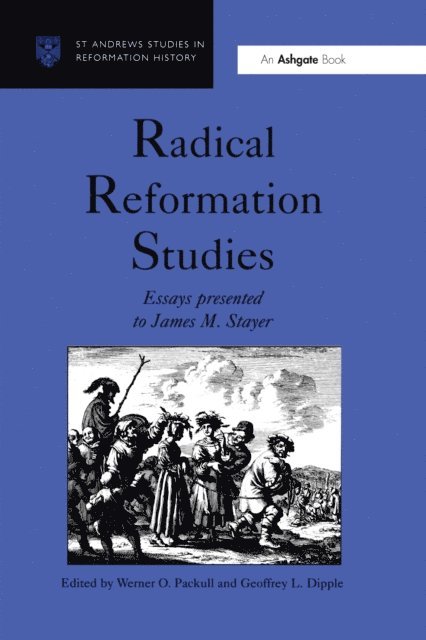
Radical Reformation Studies
Essays Presented to James M. Stayer
Av Geoffrey L. Dipple, Werner O. Packull
E-bok, 2019
831 kr
Lägg i varukorg
This review brings together new research in three areas of Anabaptist studies and the Radical Reformation. Part One focuses on sixteenth-century Anabaptism, re-examining the ’polygenesis model’ of Anabaptism articulated by Stayer, Packull and Depperman. Part Two deals with the connections …
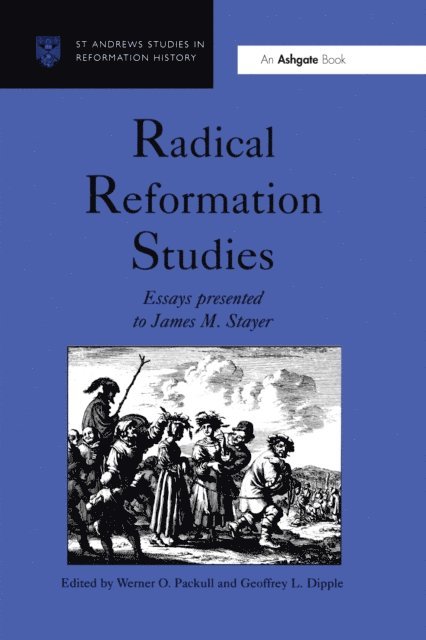
Radical Reformation Studies
Essays Presented to James M. Stayer
Av Geoffrey L. Dipple, Werner O. Packull
E-bok, 2019
813 kr
Lägg i varukorg
This review brings together new research in three areas of Anabaptist studies and the Radical Reformation. Part One focuses on sixteenth-century Anabaptism, re-examining the ’polygenesis model’ of Anabaptism articulated by Stayer, Packull and Depperman. Part Two deals with the connections …