Georg Plattner – författare
Visar alla böcker från författaren Georg Plattner. Handla med fri frakt och snabb leverans.
4 produkter
4 produkter
E-bok
PDF, Tyska, 2022583 kr
Läs direkt efter köp
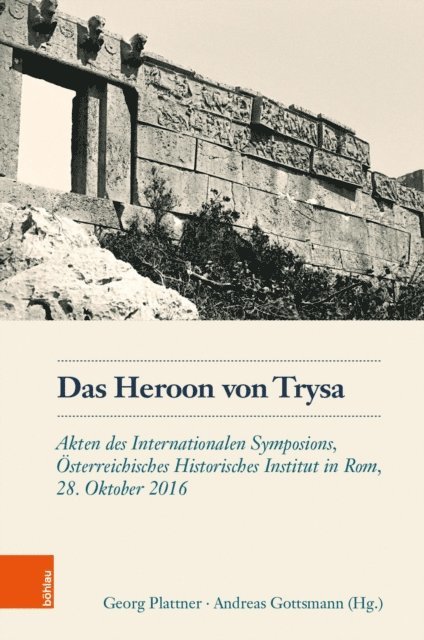
Das Heroon von Trysa ist in seiner Vollständigkeit eines der spektakulärsten erhaltenen Monumente der griechisch-römischen Antike. Künstlerische und politische Aspekte in den Bildern beschäftigen heute ebenso wie das noch immer ungelöste Problem einer adäquaten Präsentation der Reliefs in Wien.Das Heroon von Trysa gehört zu den bedeutendsten Monumenten der griechisch-römischen Antike. Insbesondere die Vollständigkeit des Reliefschmuckes, der das Grabdenkmal des frühen vierten Jahrhunderts v. Chr. in der heutigen Türkei zierte, ist einzigartig und erlaubt eine Auseinandersetzung mit der Bilderwelt der Antike, mit Selbstdarstellung und Identität in der damaligen antiken Kultur.Die Publikation beschäftigt sich mit unterschiedlichen Facetten des Heroons, die von namhaften Vertretern der Lykien-Forschung im Österreichischen Historischen Institut in Rom diskutieren worden sind. Dabei stehen narrative Strukturen und Erzählweisen der Relieffriese ebenso im Fokus wie die politischen Hintergründe der damaligen Epoche und die Frage, wie sich Macht und Mythen in der Bildersprache und Architektur ablesen lassen. Aspekte der Rezeption und Diskussion der Reliefs in der Wiener Gesellschaft und nicht zuletzt die Geschichte des Monumentes in Wien und die Versuche seiner Präsentation bilden wichtige Themen in diesem Band.
Inbunden, Tyska, 2026
507 kr
Kommande
A mysterious tomb structure, a scandalous murder, a world in upheaval – in Ephesus, one of the most magnificent cities of the ancient world, Cleopatra’s sister Arsinoë was murdered and buried. Who were the key players, and what role did the political transformations of the first century BC and CE play?The essays in this volume explore cultural-historical questions concerning the central actors of the time – Caesar, Mark Antony, Augustus, and Cleopatra. The latest findings from Austrian archaeological excavations in Ephesus complement the perspectives of archaeological, historical, and cultural studies.The result is a multifaceted panorama of an interconnected ancient world in which cultural “codes” were consciously employed to secure power – a world where the means of power were diverse and murder was an everyday occurrence. Exhibition, Kunsthistorisches Museum, Vienna, Neue Hofburg, 20 October 2026 to 29 March 2027New insights into the so-called Octagon in EphesusSculptures, inscriptions, funerary reliefs, and manuscripts tell of intrigues and power struggles in antiquity
Inbunden, Engelska, 2026
508 kr
Kommande
A mysterious tomb structure, a scandalous murder, a world in upheaval – in Ephesus, one of the most magnificent cities of the ancient world, Cleopatra’s sister Arsinoë was murdered and buried. Who were the key players, and what role did the political transformations of the first century BC and CE play?The essays in this volume explore cultural-historical questions concerning the central actors of the time – Caesar, Mark Antony, Augustus, and Cleopatra. The latest findings from Austrian archaeological excavations in Ephesus complement the perspectives of archaeological, historical, and cultural studies.The result is a multifaceted panorama of an interconnected ancient world in which cultural “codes” were consciously employed to secure power – a world where the means of power were diverse and murder was an everyday occurrence. Exhibition, Kunsthistorisches Museum, Vienna, Neue Hofburg, 20 October 2026 to 29 March 2027New insights into the so-called Octagon in EphesusSculptures, inscriptions, funerary reliefs, and manuscripts tell of intrigues and power struggles in antiquity
Del 25 - RGZM/LEIZA - Tagungen
Treasure of Sânnicolau Mare (Hungarian:Nagyszentmiklós)
Häftad, Engelska, 2015
461 kr
Skickas inom 5-8 vardagar
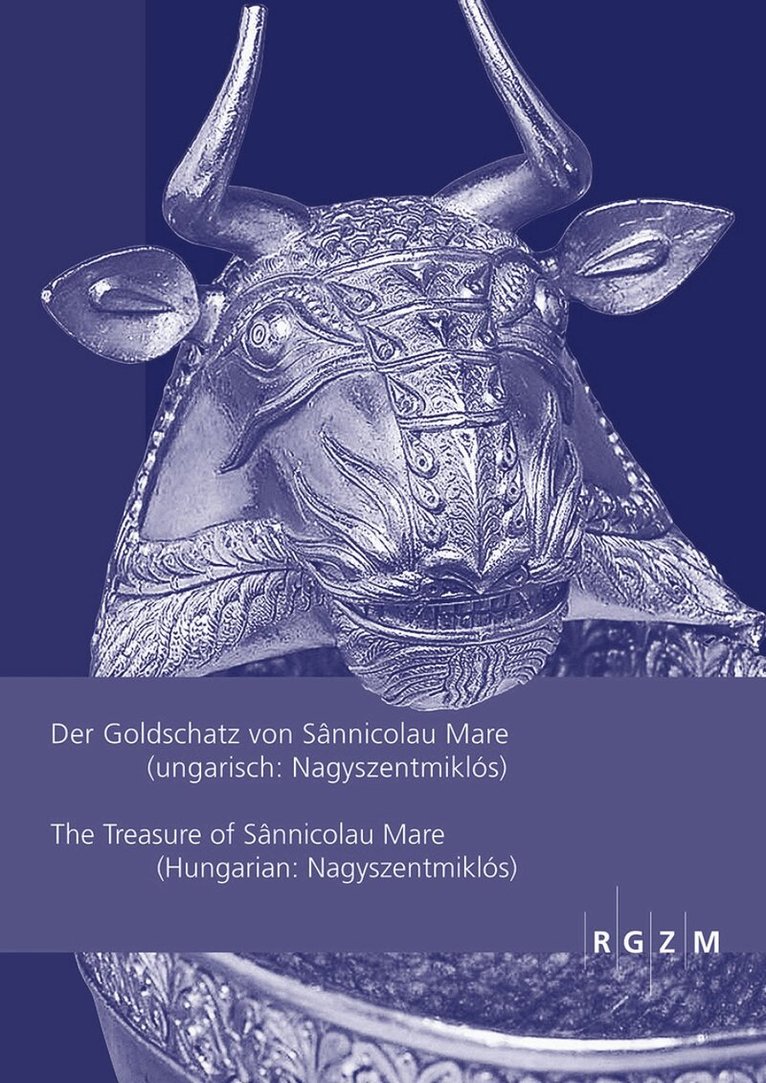
In 1799, one of the most important hoards of gold from the European early Middle Ages was discovered near the village of Nagyszentmiklós (then in the Kingdom of Hungary, now Sânnicolau Mare, Romania). It consists of 23 gold vessels with a total weight of almost 10 kg.What makes the treasure so valuable is the high quality of workmanship and the exotic beauty of some of the vessels. Above all, however, it represents a unique resource for the study of cultural connections between the Mediterranean world and the nomadic societies of Eurasia. The contributions in this volume—results of a conference held in Vienna in 2010—deal, among other things, with techniques of goldsmithing and the possible connections between the treasure and the culture of the Sasanian Empire.