George Etherege – författare
Visar alla böcker från författaren George Etherege. Handla med fri frakt och snabb leverans.
29 produkter
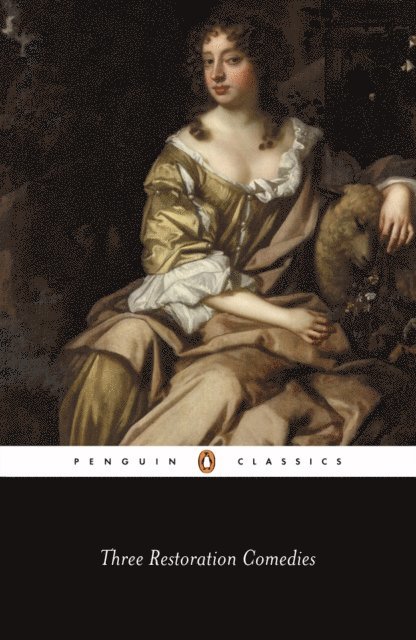
Three Restoration Comedies
Av George Etherege, William Congreve m. fl.
Häftad, 2005
179 kr
Lägg i varukorg
After the restoration of King Charles II to the British throne in 1660, dramatists experienced new freedom in an age that broke from the strict morality of puritan rule and in which elegance and wit became the chief virtues. Irreverent, licentious and cynical, the three plays collected here hold up …
Three Restoration Comedies
Av George Etherege, William Congreve m. fl.
E-bok, 2005
113 kr
Lägg i varukorg
After the restoration of King Charles II to the British throne in 1660, dramatists experienced new freedom in an age that broke from the strict morality of puritan rule and in which elegance and wit became the chief virtues. Irreverent, licentious and cynical, the three plays collected here hold up …
Man Of Mode
Or, Sir Fopling Flutter. A Comedy. Acted At The Duke's Theatre
Inbunden, 2022
401 kr
Lägg i varukorg
Man Of Mode
Or, Sir Fopling Flutter. A Comedy. Acted At The Duke's Theatre
Häftad, 2022
213 kr
Lägg i varukorg
She Wou'd, If She Cou'd
A Comedy. Written by the Late Sir George Etherege
Inbunden, 2023
410 kr
Lägg i varukorg
She Wou'd, If She Cou'd
A Comedy. Written by the Late Sir George Etherege
Häftad, 2023
213 kr
Lägg i varukorg
man of mode. A comedy. By Sir George Etherege. To which is prefixed the life of the author.
Häftad, 2010
235 kr
Lägg i varukorg
Man of Mode, or Sr Fopling Flutter; A Comedy [In Five Acts, and in Prose].
Av George Etherege, John Dryden
Häftad, 2011
263 kr
Lägg i varukorg
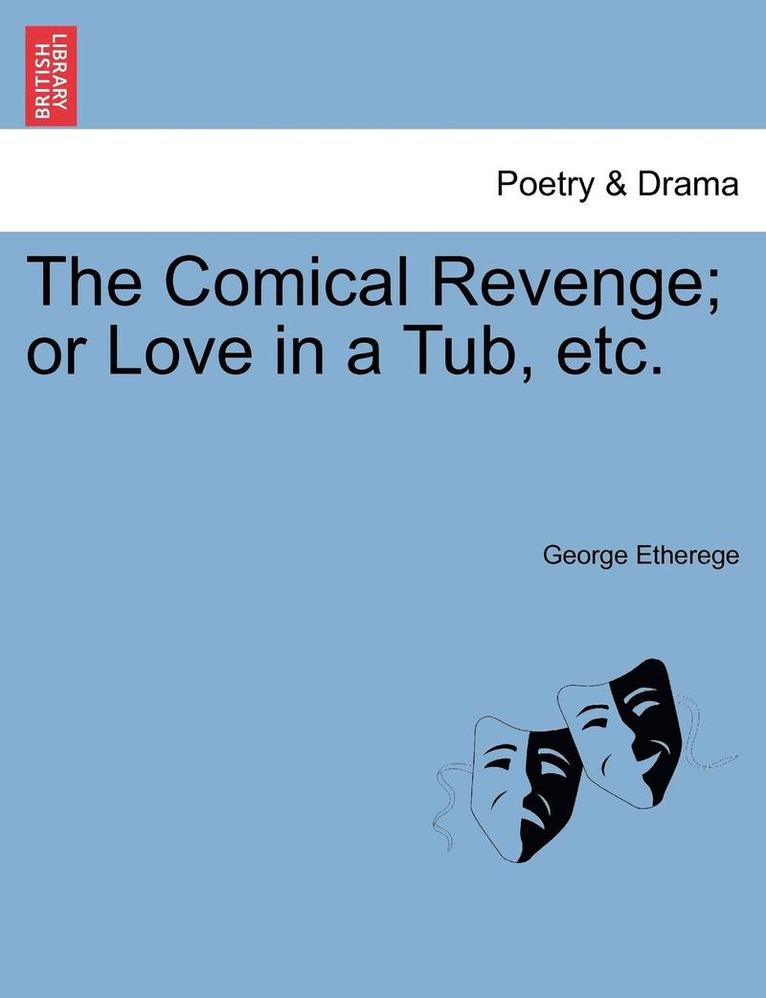
The Comical Revenge; or Love in a Tub, etc.
Häftad, 2011
221 kr
Lägg i varukorg
Title: The Comical Revenge; or Love in a Tub, etc. Publisher: British Library, Historical Print Editions The British Library is the national library of the United Kingdom. It is one of the world's largest research libraries holding over 150 million items in all known languages and formats: books, …
man of Mode. A Comedy. By Sir George Etherege. To Which is Prefixed the Life of the Author
Inbunden, 2018
367 kr
Lägg i varukorg
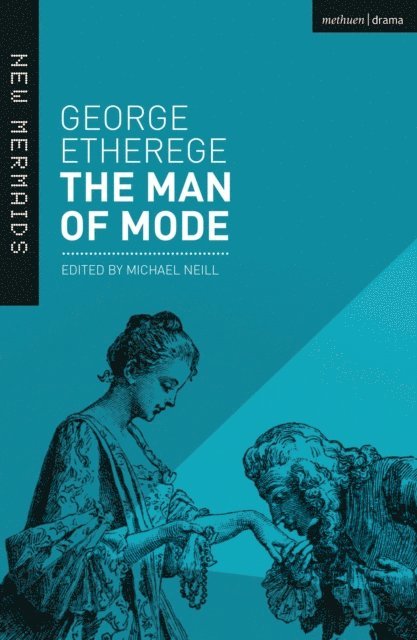
Man of Mode
New Edition
Av George Etherege, Michael Neill
E-bok, 2019
215 kr
Lägg i varukorg
Arguably the most perfectly poised of Restoration wit comedies, The Man of Mode is a finished exercise in dramatic sprezzatura, or nonchalance, matching the beguiling ''easiness'' and ''complaisance'' of its central character. The play''s imaginative brilliance depends upon its author''s ability to …
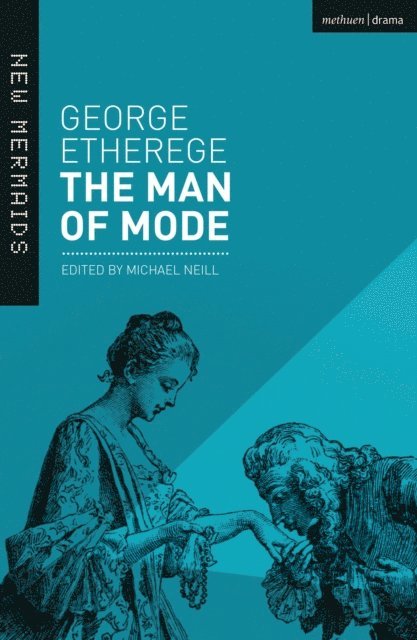
Man of Mode
New Edition
Av George Etherege, Michael Neill
E-bok, 2019
209 kr
Lägg i varukorg
Arguably the most perfectly poised of Restoration wit comedies, The Man of Mode is a finished exercise in dramatic sprezzatura, or nonchalance, matching the beguiling ''easiness'' and ''complaisance'' of its central character. The play''s imaginative brilliance depends upon its author''s ability to …
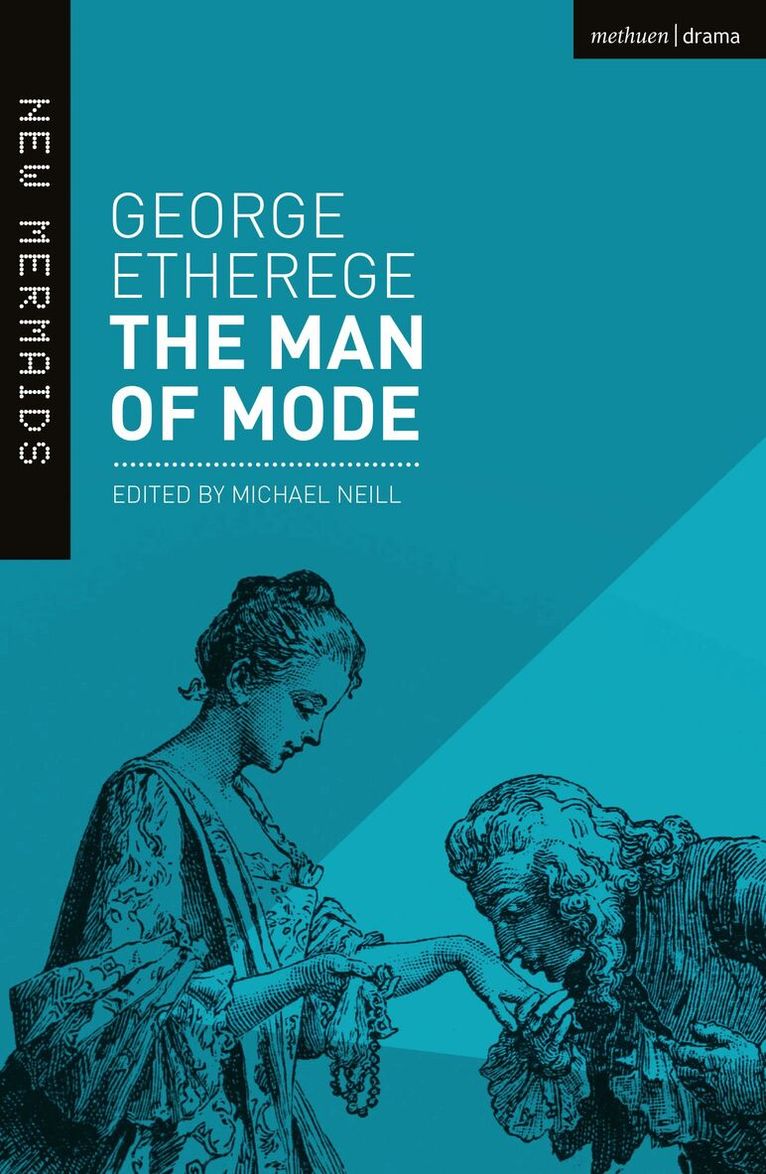
Man of Mode
New Edition
Av George Etherege, Michael Neill
Häftad, 2019
203 kr
Lägg i varukorg
Arguably the most perfectly poised of Restoration wit comedies, The Man of Mode is a finished exercise in dramatic sprezzatura, or nonchalance, matching the beguiling ‘easiness’ and ‘complaisance’ of its central character. The play's imaginative brilliance depends upon its author's ability to hint …
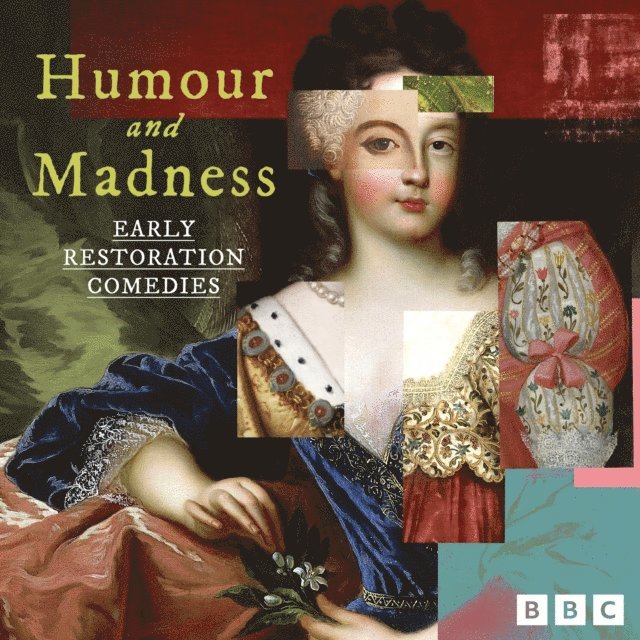
Humour and Madness: Early Restoration Comedies
Nine BBC Radio Full Cast Productions including The Rover, The Country Wife and more
Av Edward Ravenscroft, Thomas Otway m. fl.
Ljudbok, 2023
214 kr
Lägg i varukorg
A sparkling collection of nine witty full-cast comedies from the early Restoration era Raunchy, risqué and rebellious, early Restoration comedies were a breath of fresh air for 17th century theatregoers. With Charles II restored to the throne in 1660, Oliver Cromwell''s ban on stage performances …
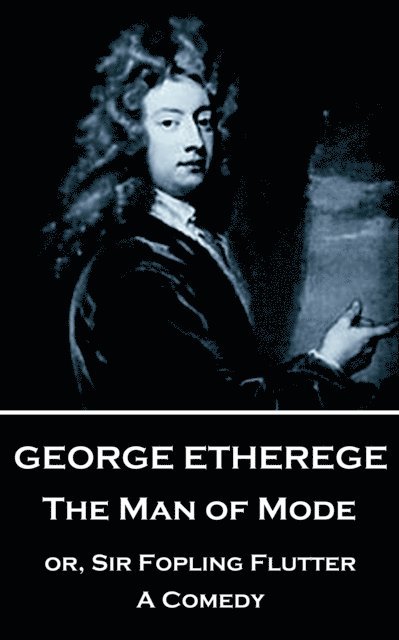
George Etherege - The Man of Mode: or, Sir Fopling Flutter. A Comedy
or, Sir Fopling Flutter. A Comedy
Häftad, 2017
38 kr
Lägg i varukorg
George Etherege was born in Maidenhead, Berkshire, around 1636, the eldest of six children to George Etherege and Mary Powney. Little is known of much of his life and especially his early years. He was educated at Lord Williams''s School and the next sighting of him is as apprentice to a lawyer …
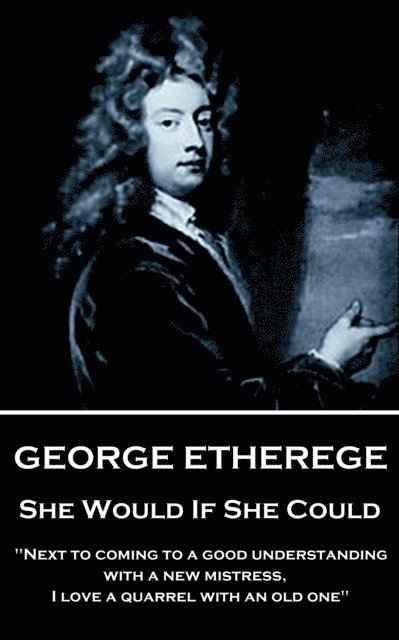
George Etherege - She Would if She Could: "When love grows diseased, the best thing we can do is to put it to a violent death. I cannot endure the tor
"When love grows diseased, the best thing we can do is to put it to a violent death. I cannot endure the torture of a lingering and consumptive passion."
Häftad, 2017
20 kr
Lägg i varukorg
George Etherege was born in Maidenhead, Berkshire, around 1636, the eldest of six children to George Etherege and Mary Powney. Little is known of much of his life and especially his early years. He was educated at Lord Williams''s School and the next sighting of him is as apprentice to a lawyer …
Man of Mode
Häftad, 2007
84 kr
Lägg i varukorg
Drama Classics: The World's Great Plays at a Great Little PriceThe best comedy of manners written in England before Congreve, The Man of Mode was first staged in 1676 and contains all the classic ingredients of Restoration Comedy: adultery, intrigue, gossip - as well as the first and greatest of …
![George Etherege, John Dryden - Man of Mode, or Sr Fopling Flutter; A Comedy [In Five Acts, and in Prose]., Häftad. Tillgänglighet: Lägg i varukorg](https://image.bokus.com/images2/9781241116378_766)

![George Etherege - She Wou'd If She Cou'd, a Comedy [In Five Acts and in Prose]., Häftad. Tillgänglighet: Lägg i varukorg](https://image.bokus.com/images2/9781241133665_766)
![George Etherege - She Wou'd If She Cou'd, a Comedy [In Five Acts and in Prose]., Häftad. Tillgänglighet: Lägg i varukorg](https://image.bokus.com/images2/9781241135645_766)
![George Etherege - She Wou'd If She Cou'd, a Comedy [In Five Acts and in Prose]., Häftad. Tillgänglighet: Lägg i varukorg](https://image.bokus.com/images2/9781241226473_766)