
George JoffA(c) – författare
682 kr
Läs direkt efter köp
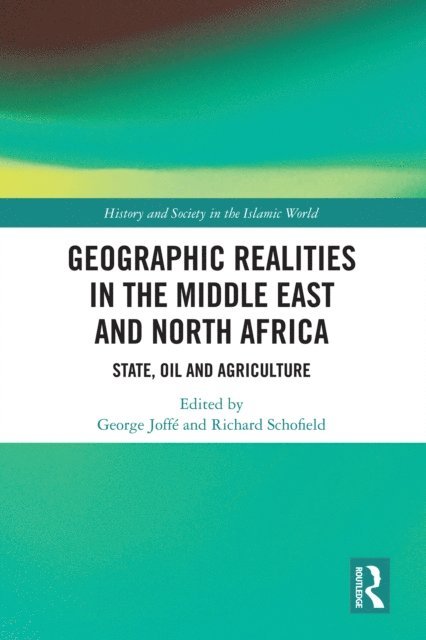
Celebrating the work of Keith McLachlan, a well-known and much-admired geographer of the Middle East and North Africa, this book combines three interrelated topics that define the region. The Middle East has been integral to the growth of the global oil industry, an aspect of its evolution since 1908 which has had profound geopolitical implications as well.
The territory was also the arena for the last European experiment in colonialism, a development that has left its legacy even today. And, historically, it has been the location of the great hydraulic civilisations of Egypt and Mesopotamia yet is still dependent on the flow of its two major river systems – the Nile and the Tigris-Euphrates – in an era of impending climate crisis. These themes form the essence of themes that are discussed in the chapters that follow. Keith McLachlan played a significant role in our understanding of these themes and of their effects in the contemporary world, as the comments of those who worked with him and have contributed towards this book reveal.
Examining agriculture, oil and state construction, this volume offers an insight into how the contemporary Middle East was constructed after the collapse of the Ottoman Empire. It is a key resource for scholars and students interested in geopolitics and the geography of the Middle East.
682 kr
Läs direkt efter köp
Celebrating the work of Keith McLachlan, a well-known and much-admired geographer of the Middle East and North Africa, this book combines three interrelated topics that define the region. The Middle East has been integral to the growth of the global oil industry, an aspect of its evolution since 1908 which has had profound geopolitical implications as well.
The territory was also the arena for the last European experiment in colonialism, a development that has left its legacy even today. And, historically, it has been the location of the great hydraulic civilisations of Egypt and Mesopotamia yet is still dependent on the flow of its two major river systems – the Nile and the Tigris-Euphrates – in an era of impending climate crisis. These themes form the essence of themes that are discussed in the chapters that follow. Keith McLachlan played a significant role in our understanding of these themes and of their effects in the contemporary world, as the comments of those who worked with him and have contributed towards this book reveal.
Examining agriculture, oil and state construction, this volume offers an insight into how the contemporary Middle East was constructed after the collapse of the Ottoman Empire. It is a key resource for scholars and students interested in geopolitics and the geography of the Middle East.
663 kr
Läs direkt efter köp
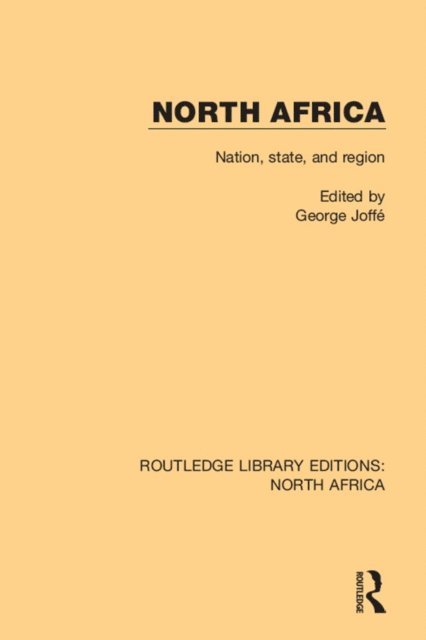
North Africa differs from the Middle East in several significant ways. It was subject to a uniform colonial experience as part of the French empire; its populations are far more culturally homogeneous than those of the Middle East; and, since the Reconquista, it has always been far more susceptible to European influences than has the Middle East. It has thus had a far better basis for regional integration and for effective state formation than has the Middle East itself.
In the post-Cold War world, North Africa took on a new significance for Europe as issues of migration and regional trade began to dominate the European agenda. This book, first published in 1993, endeavours to investigate the background to the political developments of modern North Africa. It not only looks at the pre-colonial past but also investigates the effect of the colonial period itself on the regional dimension in view of the creation of the UMA, a confederal regional organisation, in early 1989. The contributors to this volume are all people with long experience of the North African political and historical scene.