George Lakoff – författare
Visar alla böcker från författaren George Lakoff. Handla med fri frakt och snabb leverans.
19 produkter
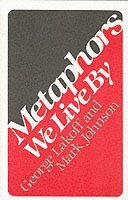
Metaphors We Live By
Av George Lakoff, Mark Johnson
Häftad, 2003
4,5 utav 5 stjärnor. Totalt antal röster: (2)
213 kr
Lägg i varukorg
People use metaphors every time they speak. Some of those metaphors are literary - devices for making thoughts more vivid or entertaining. But most are much more basic than that - they're "metaphors we live by", metaphors we use without even realizing we're using them. In this book, George Lakoff …
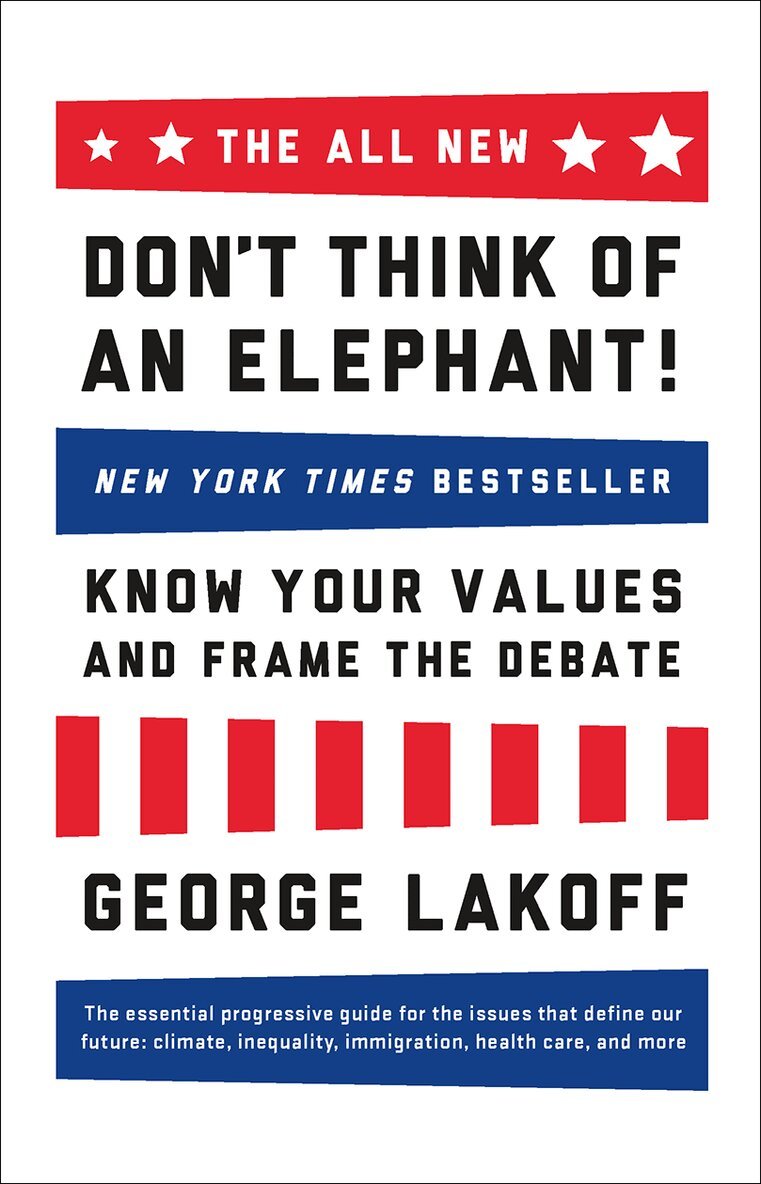
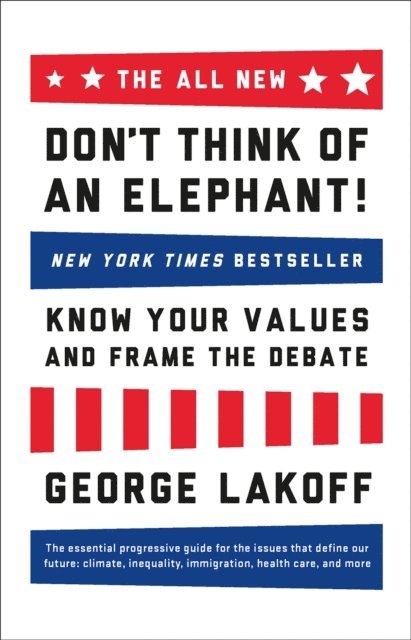
ALL NEW Don't Think of an Elephant!
Know Your Values and Frame the Debate
Häftad, 2014
139 kr
Lägg i varukorg
Lakoff researches how framing influences reasoning, or how the way we say something often matters much more than what we say. the GuardianOver a quarter of a million copies sold worldwide!Ten years after writing the definitive, international bestselling book on political debate and messaging, …
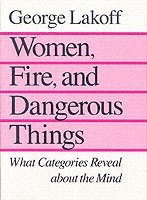
Women, Fire, and Dangerous Things
What Categories Reveal about the Mind
Häftad, 1990
4,0 utav 5 stjärnor. Totalt antal röster: (1)
263 kr
Lägg i varukorg
"Its publication should be a major event for cognitive linguistics and should pose a major challenge for cognitive science. In addition, it should have repercussions in a variety of disciplines, ranging from anthropology and psychology to epistemology and the philosophy of science. . . . Lakoff …
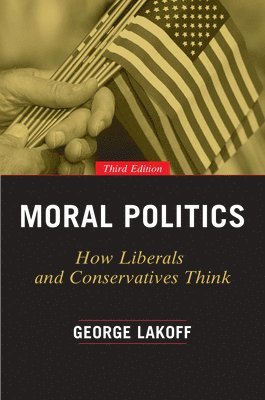
Moral Politics
How Liberals and Conservatives Think
Häftad, 2016
5,0 utav 5 stjärnor. Totalt antal röster: (1)
281 kr
Lägg i varukorg
When Moral Politics was first published two decades ago, it redefined how Americans think and talk about politics through the lens of cognitive political psychology. Today, George Lakoff's classic text has become all the more relevant, as liberals and conservatives have come to hold even more …
Philosophy In The Flesh
Häftad, 1999
5,0 utav 5 stjärnor. Totalt antal röster: (1)
295 kr
Lägg i varukorg
What are human beings like? How is knowledge possible? What is truth? Where do moral values come from? Questions like these have stood at the centre of Western philosophy for centuries. In addressing them, philosophers have made certain fundamental assumptions,that we can know our own minds by …
Where Mathematics Come From
How The Embodied Mind Brings Mathematics Into Being
Av George Lakoff, Rafael Nunez
Häftad, 2001
5,0 utav 5 stjärnor. Totalt antal röster: (1)
384 kr
Lägg i varukorg
This book is about mathematical ideas, about what mathematics means-and why. Abstract ideas, for the most part, arise via conceptual metaphor-metaphorical ideas projecting from the way we function in the everyday physical world. Where Mathematics Comes From argues that conceptual metaphor plays a …
Neural Mind
How Brains Think
Av George Lakoff, Srini Narayanan
Inbunden, 2025
298 kr
Lägg i varukorg
Offers an expansive, unified theory of thought that brings together the vast resources of neuroscience, computation, and cognitive linguistics.What is an idea, and where does it come from? We experience thought as if it were abstract, but every thought is actually a physical thing, carried out by …
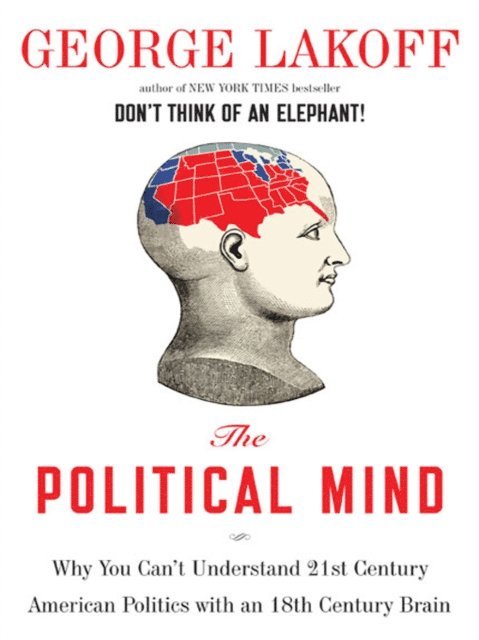
The Political Mind: A Cognitive Scientist's Guide to Your Brain and Its Politics
Häftad, 2009
327 kr
Lägg i varukorg
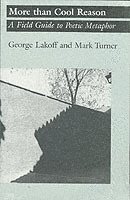
More than Cool Reason
A Field Guide to Poetic Metaphor
Häftad, 1989
324 kr
Lägg i varukorg
"The authors restore metaphor to our lives by showing us that it's never gone away. We've merely been taught to talk as if it had: as though weather maps were more 'real' than the breath of autumn; as though, for that matter, Reason was really 'cool.' What we're saying whenever we say is a theme …
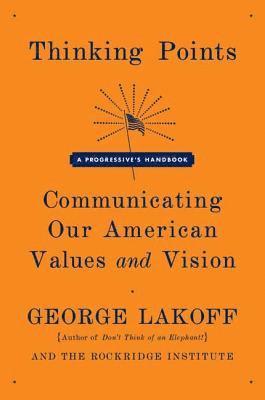
Thinking Points: Communicating Our American Values and Vision
Av George Lakoff, Rockridge Institute
Häftad, 2006
214 kr
Lägg i varukorg
Political Mind
A Cognitive Scientist''s Guide to Your Brain and Its Politics
E-bok, 2008
188 kr
Lägg i varukorg
A groundbreaking scientific examination of the way our brains understand politics from a New York Times bestselling author One of the world ''s best-known linguists and cognitive scientists, George Lakoff has a knack for making science make sense for general readers. In his new book, Lakoff spells …
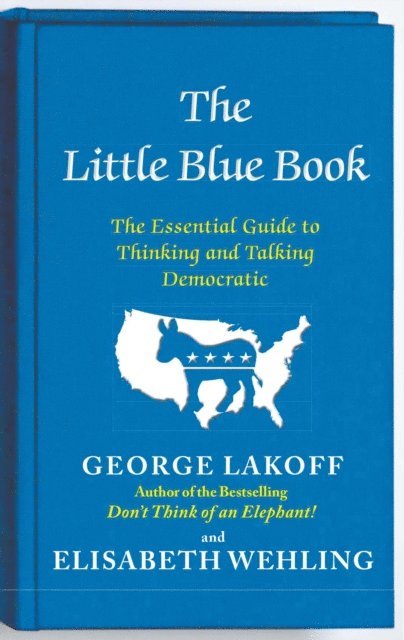
The Little Blue Book: The Essential Guide to Thinking and Talking Democratic
Av George Lakoff, Elisabeth Wehling
Häftad, 2012
232 kr
Lägg i varukorg
Little Blue Book
The Essential Guide to Thinking and Talking Democratic
Av Elisabeth Wehling, George Lakoff
E-bok, 2012
173 kr
Lägg i varukorg
The indispensable handbook for Democrats Voters cast their ballots for what they believe is right, for the things that make moral sense. Yet Democrats have too often failed to use language linking their moral values with their policies. The Little Blue Book demonstrates how to make that connection …
ALL NEW Don't Think of an Elephant!
Know Your Values and Frame the Debate
E-bok, 2014
161 kr
Lägg i varukorg
“[Lakoff is] the father of framing.”— The New York Times “An indispensable tool for progressives—packed with new thinking on framing issues that are hotly debated right now."—Jennifer M. Granholm, former governor of Michigan Ten years after writing the definitive, international bestselling book on …
Your Brain's Politics
How the Science of Mind Explains the Political Divide
Av George Lakoff, Elisabeth Wehling
Häftad, 2016
315 kr
Lägg i varukorg
At first glance, issues like economic inequality, healthcare, climate change, and abortion seem unrelated. However, when thinking and talking about them, people reliably fall into two camps: conservative and liberal. What explains this divide? Why do conservatives and liberals hold the positions …
Auf leisen Sohlen ins Gehirn
Politische Sprache und ihre heimliche Macht
Av Elisabeth Wehling, George Lakoff
E-bok, 2022
215 kr
Lägg i varukorg
80 Prozent unseres Denkens bleiben unbewusst und werden durch Metaphern und Deutungsrahmen geprägt. Unser vermeintlich freies Denken wird durch diejenigen beeinflusst, die bewusst bestimmte Metaphern in die öffentliche Diskussion einführen. Diesen "heimlichen Macht-Habern" sind George Lakoff und …