George M. Malacinski - Böcker
Visar alla böcker från författaren . Handla med fri frakt och snabb leverans.
3 produkter
3 produkter
1 322 kr
Skickas inom 7-10 vardagar
The axolotl is a type of salamander native to Mexico that is used in biological research. Developmental Biology of the Axolotl is a short yet comprehensive book that combines practical information for rearing and maintaining the axolotl in the laboratory with a survey of basic developmental research utilizing the axolotl. The book will be a useful reference for developmental biologists.

4 450 kr
Skickas inom 11-20 vardagar
Essentials of Molecular Biology, Fourth Edition focuses on the fundamental aspects of molecular structure and function by reviewing key features and along the way, capsulizing them as a series of concise concepts. Thus, students are encouraged to place the reductionist knowledge of molecular biology into broad contexts and thereby develop both academic and personal meaning for this discipline.
527 kr
Skickas inom 10-15 vardagar
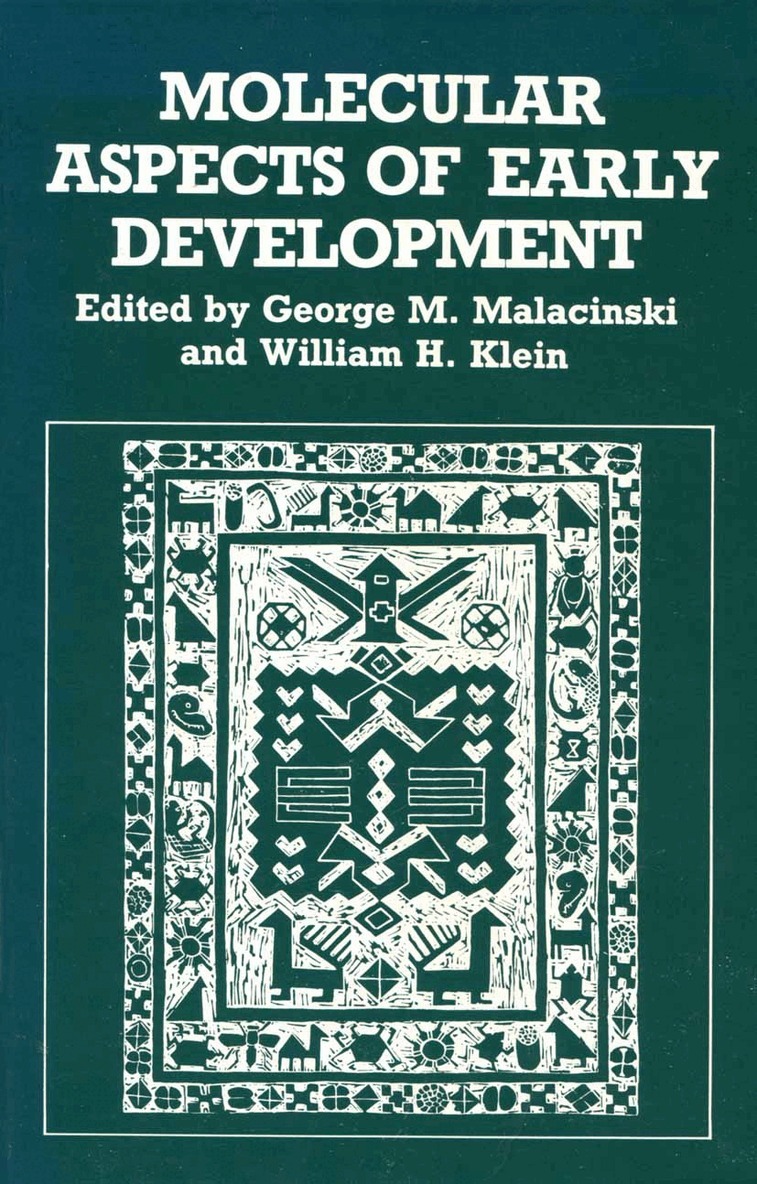
The early embryo has emerged as the focal point for analysis of the regulation of gene expression for several reasons. First, the fact that embryogenesis is under genetic control has been appreciated from the earliest days of classical embryology. When experimental techniques became available it was therefore logical that they should be applied to the embryo. With each new advance in methodology, interest in embryonic gene expression studies has increased. Second, many embryos offer unique opportunities for the investigation of specific aspects of the regulation of gene expression. Several phenomena--eg. , control of translation--can be very conveniently studied in a variety of marine invertebrate embryos. Those embryos contain large stores of maternally inherited mRNA which are translated in a highly ordered fashion during specific stages of post fertilization development. Marine invertebrate eggs can be conveniently artifically inseminated and labeled with radioactive precursors. Their analysis is leading to important insights into the mechanisms which regulate gene expression at post-transcriptional levels. Third, recent advances in both transmission and recombinant DNA genetics, especially in organisms such as Drosophila, are providing special opportunities for the analysis of regulatory mechanisms which operate at the level of the genome. Specific genes have been identified, isolated, and--in some instances--sequenced. The opportunity is now available to study the regulation of the expression of single genes in a vertical fashion--from the primary sequence of the gene to the tissues and organs which are the products of morphogenesis.