Gerald M. Easter - Böcker
Visar alla böcker från författaren Gerald M. Easter. Handla med fri frakt och snabb leverans.
3 produkter
3 produkter
428 kr
Skickas inom 7-10 vardagar
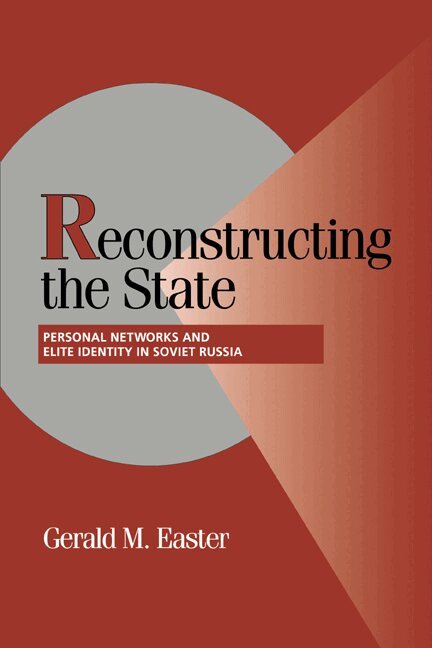
Why do some state-building efforts succeed when others fail? Using formerly unavailable archival sources, this book presents an explanation for the rise and subsequent collapse of the Soviet state. The study explains how personal networks and elite identity served as informal sources of power that influenced state strength. Reconstructing the State also offers alternative interpretations of how the weak Bolshevik state extended its reach to a vast rural and multi-ethnic periphery as well as the dynamics of the center-regional conflict in the 1930s that culminated in the Great Terror.
Reconstructing the State
Personal Networks and Elite Identity in Soviet Russia
Inbunden, Engelska, 2000
740 kr
Skickas inom 7-10 vardagar
Why do some state-building efforts succeed when others fail? Using formerly unavailable archival sources, this book presents an explanation for the rise and subsequent collapse of the Soviet state. The study explains how personal networks and elite identity served as informal sources of power that influenced state strength. Reconstructing the State also offers alternative interpretations of how the weak Bolshevik state extended its reach to a vast rural and multi-ethnic periphery as well as the dynamics of the center-regional conflict in the 1930s that culminated in the Great Terror.
2 443 kr
Skickas inom 3-6 vardagar
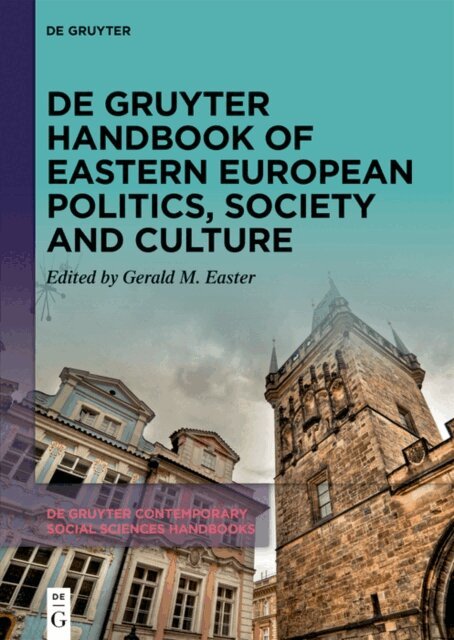
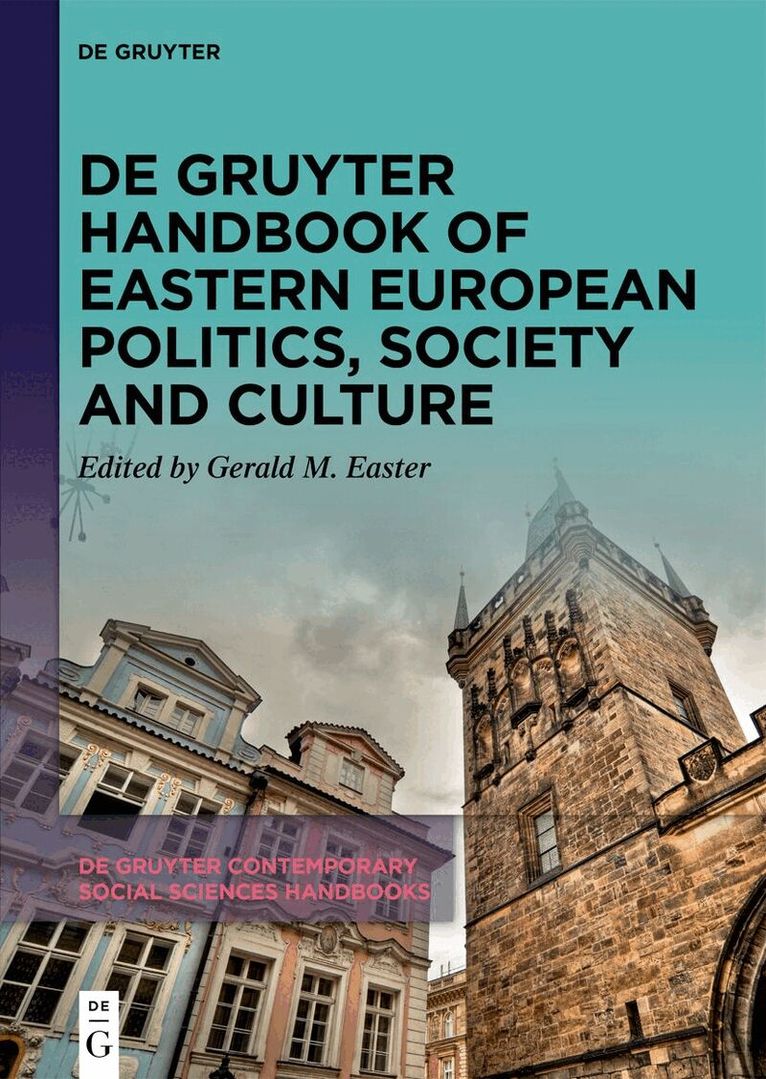
The De Gruyter Handbook of Eastern European Politics, Society and Culture provides a comparative analysis of why the region is at the forefront of a momentous turn in European history. It takes stock of the ways in which Eastern Europe has evolved since the region was incorporated into the post-communist order, taking stock of major political, social and cultural developments. Employing a mix of social science research designs and methodologies, this volume discusses key contemporary issues, such as the fate of liberal democracy in the region, the rise of conservative populism, the Russian invasion of Ukraine, NATO expansion, the repression of the LGBT community, the social effects of post-twentieth-century deindustrialization, the role of oligarchs, and migration.