Gérard Wajcman – författare
Visar alla böcker från författaren Gérard Wajcman. Handla med fri frakt och snabb leverans.
2 produkter
2 produkter
575 kr
Skickas inom 5-8 vardagar
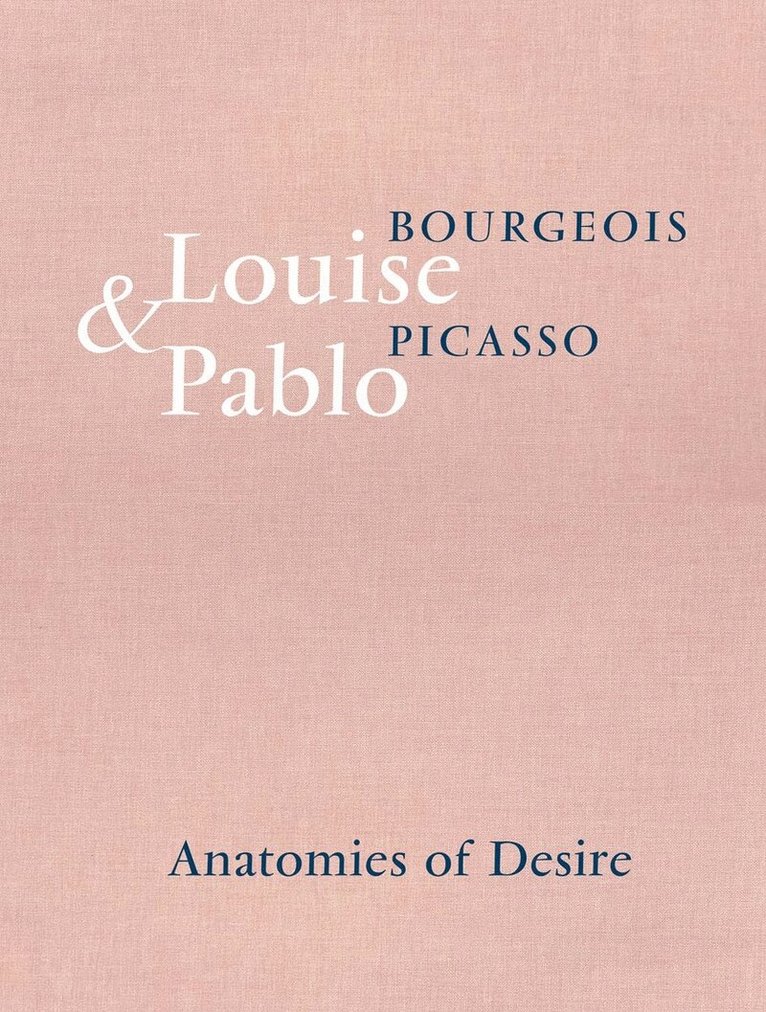
An elegantly produced double portrait of the affinities and differences between two of the 20th century's greatest artists, Louise Bourgeois & Pablo Picasso Coupling the works of Louise Bourgeois and Pablo Picasso—at first glance, an unlikely pair—results in a thought-provoking discourse on the artists’ formal and iconographic links. Inspired by archaic and primitive sources, both Bourgeois and Picasso continually explored and developed interpretations of fertility and mother deities; late in life, both artists focused on eroticism, sexuality, and intimacy. This beautifully designed book, with its cloth boards and title stamping, builds upon the complex conversation about gender the exhibition sparks, with texts by exhibition curator Marie-Laure Bernadac (former curator at the Louvre, Picasso Museum, and Centre Pompidou), Émilie Bouvard (art historian and curator), Ulf Küster (curator at the Fondation Beyeler), Gérard Wajcman (psychoanalyst and writer) and Diana Widmaier Picasso (art historian).
782 kr
Tillfälligt slut
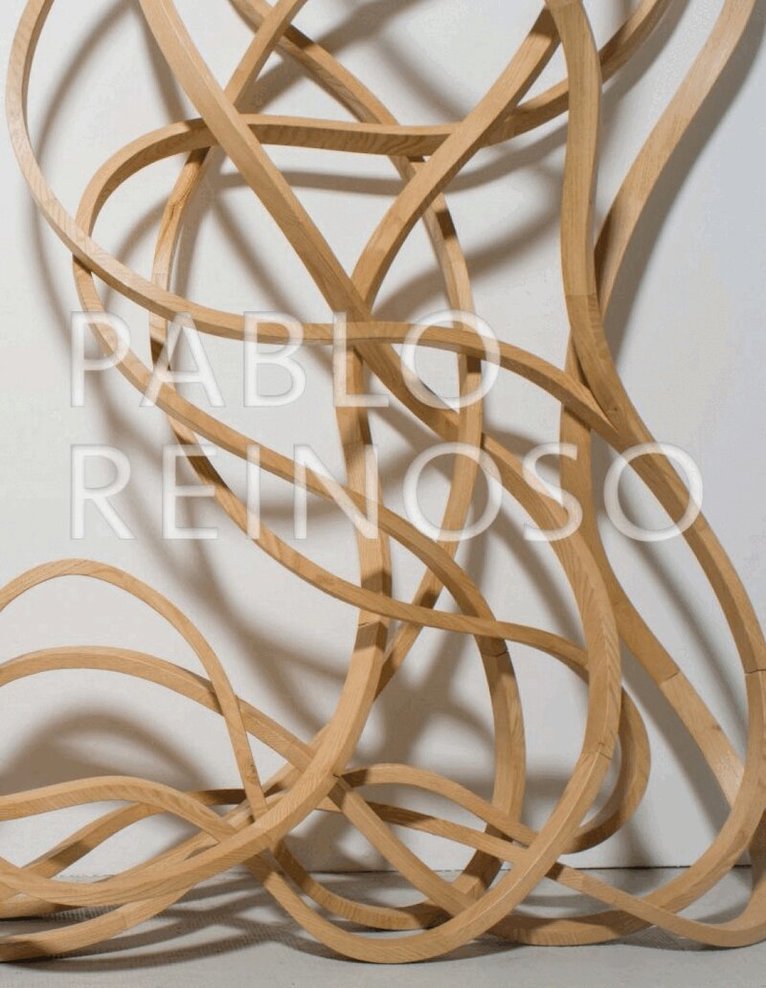
This book is the first important monograph dedicated to the work of Pablo Reinoso, a Franco-Argentinian artist and designer, a curious and largely self-taught jack of all trades. Technically a sculptor, but actually an artist through and through, Pablo Reinoso has been exploring multifarious artistic avenues from an early age. Part-French, through his mother, he left his native Argentina in 1978 and settled in Paris, where he worked on his art. He produces his works in series - Articulations (1970-80), Water Landscapes (1981-86), The Discovery of America (1986-89), Breathing Sculptures (1995-2002) - which he chops up and rummages through as he explores new worlds and different materials, translating the permanent work in progress which is his way of thinking. An increasing maturity is evident in Ashes to Ashes (2002), a work in which he twists and splits wooden boards in an attempt to rid them of their function.Continuing in the same vein, but having in the meantime held important positions as an artistic director and designer in large companies, Reinoso began a new series in 2004 highlighting an icon of industrial design, the Thonet chair. He then turned his attention to the seemingly anonymous public benches found in all cultures throughout the world - objects that for this very reason are timeless and beyond fashion. The results are his so-called Spaghetti Benches (begun in 2006), which have multiplied and found their place in the most unlikely corners.In his very latest series, Scribbling Benches (started in 2009), Reinoso no longer takes an anonymous bench, nor an iconic chair, as his point of departure, but a steel girder. The work plays on the unexpectedness of a solid, heavy object, a key structural component in architecture, that is made to twist like a piece of wire and turn into a bench suggesting airy, transparent, contemplative spaces.