Gerardo Mosquera – författare
Visar alla böcker från författaren Gerardo Mosquera. Handla med fri frakt och snabb leverans.
4 produkter
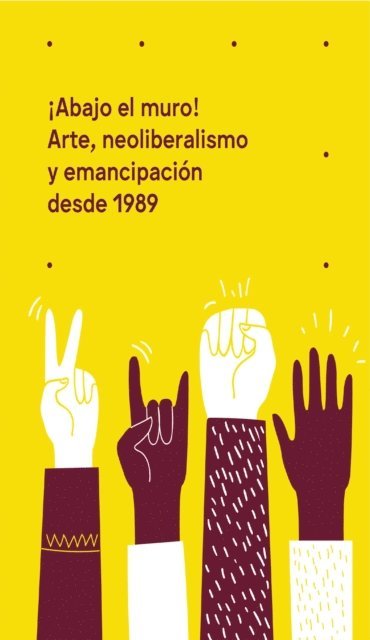
¡Abajo el muro! Arte, neoliberalismo y emancipación desde 1989
Av Eduardo Ramirez, Alina Pena Iguaran m. fl.
E-bok, 2021
20 kr
Lägg i varukorg
¡Abajo el muro! Arte, neoliberalismo y emancipación desde 1989 interroga las transformaciones más significativas en las prácticas artísticas contemporáneas con el auge de las políticas neoliberales y su impacto global. Sobre ese trasfondo, este volumen rastrea tanto el replanteamiento del vínculo …
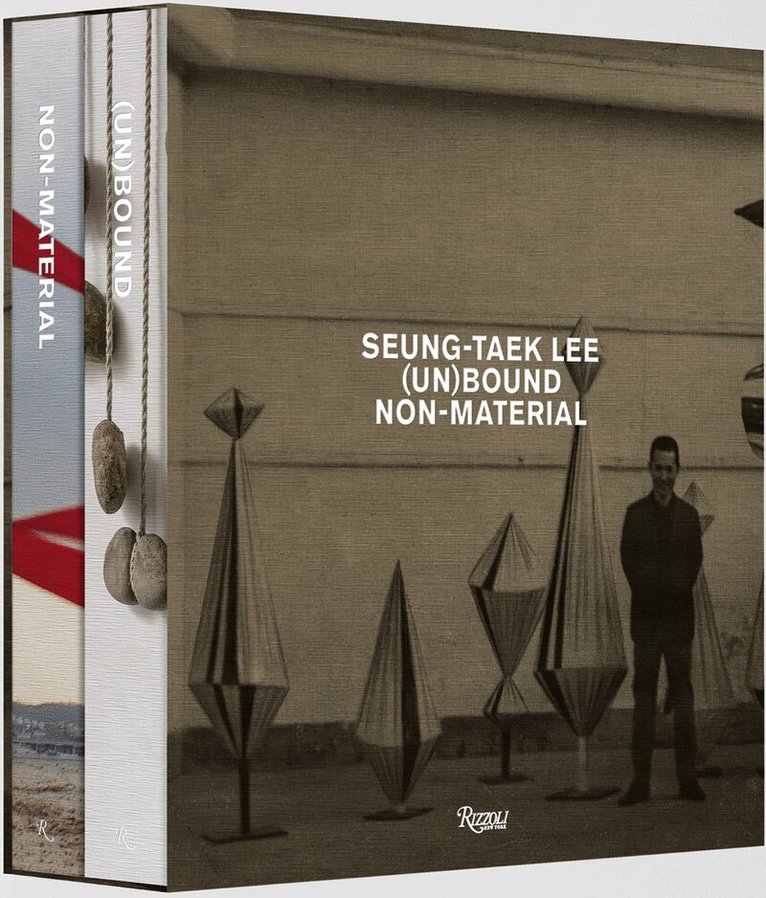
Seung-taek Lee
(Un) Bound (Vol I); Non-Material (Vol. 2)
Av Gerardo Mosquera, Soojin Cho
Inbunden, 2024
1214 kr
Lägg i varukorg
This is the first comprehensive monograph on the pioneer of Korean avant-garde, Seung-taek Lee.Seung-taek Lee was born in 1932 in Gowon, Hamgyeongnam-do (currently a province in North Korea). Part of a generation that was deeply affected by the Korean War, he was exposed to works by Russian …
Microrrelatos para pensar
E-bok, 2025
56 kr
Lägg i varukorg
Esta colección de microrrelatos invita al lector a explorar los rincones más profundos de la mente humana a través de historias breves, pero intensas. Con un estilo evocador y reflexivo, el autor nos sumerge en dilemas éticos, filosóficos y existenciales que desafían nuestras creencias y emociones. …
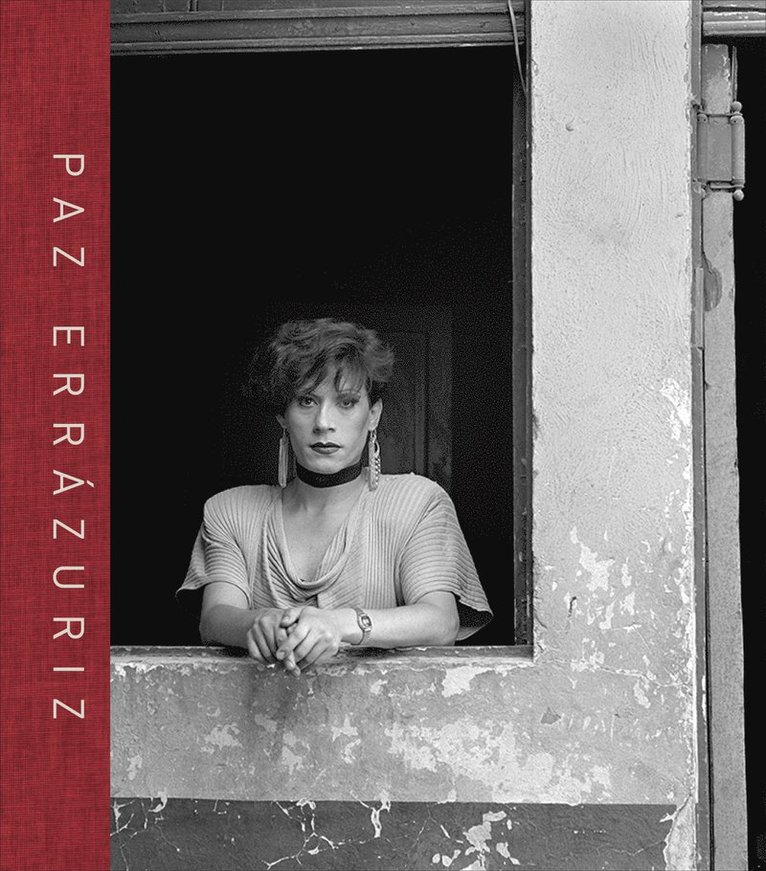
Paz Errázuriz
Av Gerardo Mosquera, Paulina Varas
Inbunden, 2016
523 kr
Tillfälligt slut
Chilean photographer Paz Errázuriz began taking photographs in the 1970s during the Pinochet dictatorship, and in subsequent decades traveled extensively to document the landsape and people of her native country. Throughout her dedicated practice, Errázuriz became intimate with not only her home …