Gihan Karunaratne - Böcker
Visar alla böcker från författaren Gihan Karunaratne. Handla med fri frakt och snabb leverans.
5 produkter
5 produkter
2 096 kr
Skickas inom 10-15 vardagar
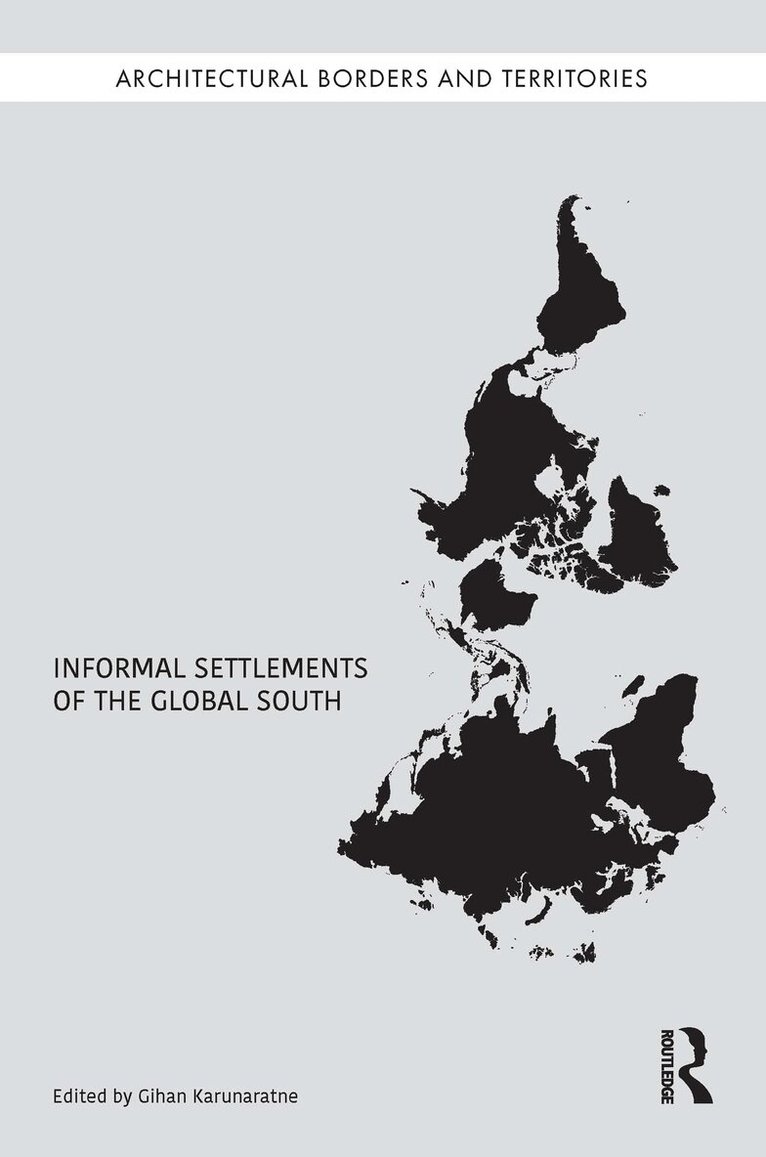
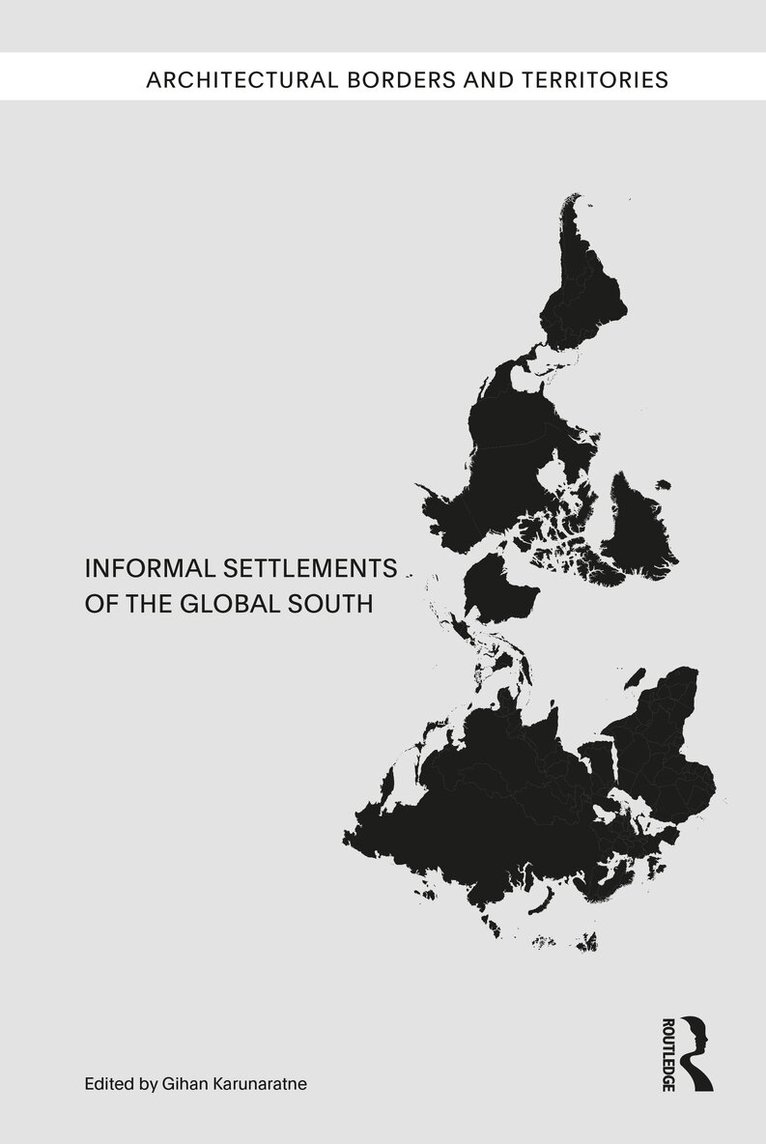
Bringing together case studies ranging across the globe, including the US-Mexico borderlands, the Calais encampment in France, refugee camps in Kenya, Uganda and Bangladesh and contested ‘informal’ enclaves and communities in the cities of India, China, Brazil, Nigeria and South Africa, this book challenges current ways of thinking about the governance of human settling, mobility and placemaking.Together, the 15 essays question the validity of the conventional hegemonic divisions of Global North vs. Global South and ‘formal’ vs. ‘informal’, in terms of geographic presence, transborder performances and the ideological inter-dependence of Northern and Southern spaces, spatial practices and the uniformity of authoritative enforcements. The book, whose authors themselves come from all over the world, uses ‘Global South’ as a methodological apparatus to ask the ‘Southern’ question of settling and unsettling across the globe. Crucially, the studies reveal the sentiments, resourcefulness and the agency of those positioned by the powerful within the dichotomies of formal/informal, legitimate/ illegal, privileged/marginalized, etc., who are traditionally identified within the dominant development discourse as mere numbers or designated by intervening institutions as helpless recipients.By focussing on hitherto invisible events and untold stories of adaptation, negotiation and contestation by people and their communities, this volume of essays takes the ongoing North-South debate in new directions and opens up to the reader’s fresh areas of enquiry. It will be of interest to researchers and students of architecture, planning, politics and sociology, as well as built environment professionals.
590 kr
Skickas inom 10-15 vardagar
Bringing together case studies ranging across the globe, including the US-Mexico borderlands, the Calais encampment in France, refugee camps in Kenya, Uganda and Bangladesh and contested ‘informal’ enclaves and communities in the cities of India, China, Brazil, Nigeria and South Africa, this book challenges current ways of thinking about the governance of human settling, mobility and placemaking.Together, the 15 essays question the validity of the conventional hegemonic divisions of Global North vs. Global South and ‘formal’ vs. ‘informal’, in terms of geographic presence, transborder performances and the ideological inter-dependence of Northern and Southern spaces, spatial practices and the uniformity of authoritative enforcements. The book, whose authors themselves come from all over the world, uses ‘Global South’ as a methodological apparatus to ask the ‘Southern’ question of settling and unsettling across the globe. Crucially, the studies reveal the sentiments, resourcefulness and the agency of those positioned by the powerful within the dichotomies of formal/informal, legitimate/ illegal, privileged/marginalized, etc., who are traditionally identified within the dominant development discourse as mere numbers or designated by intervening institutions as helpless recipients.By focussing on hitherto invisible events and untold stories of adaptation, negotiation and contestation by people and their communities, this volume of essays takes the ongoing North-South debate in new directions and opens up to the reader’s fresh areas of enquiry. It will be of interest to researchers and students of architecture, planning, politics and sociology, as well as built environment professionals.
2 096 kr
Skickas inom 10-15 vardagar
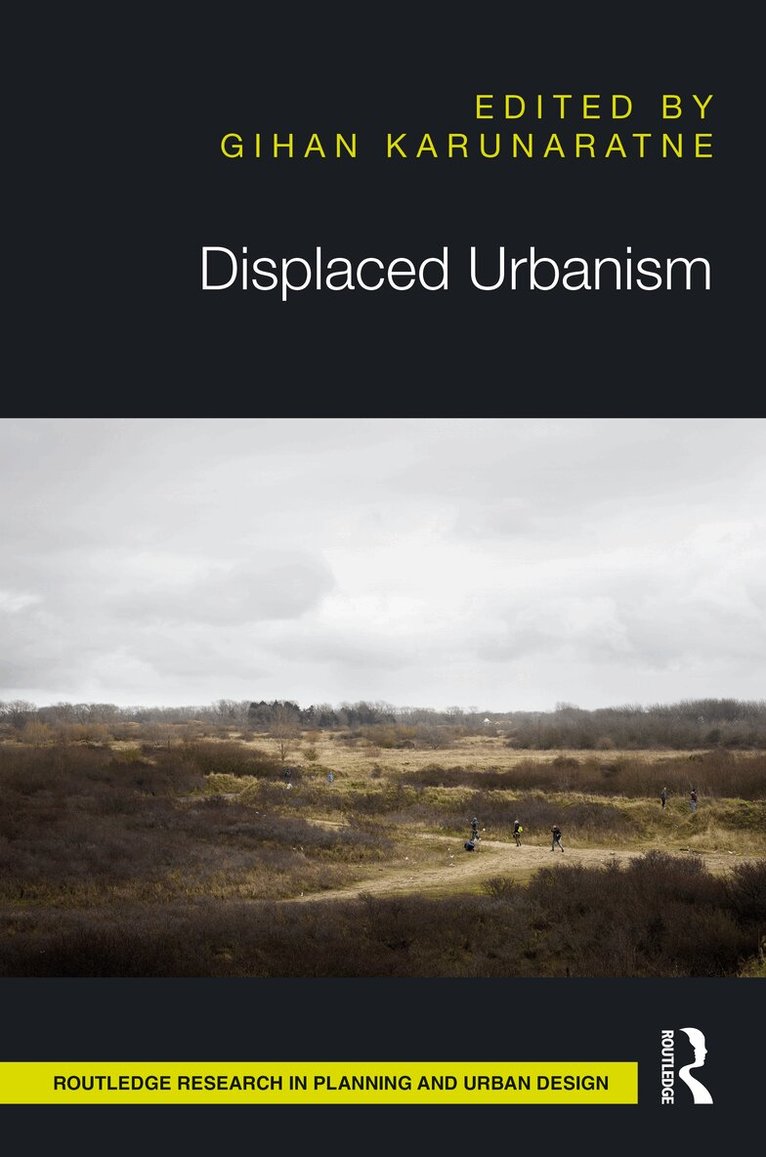
This book critically interrogates dominant narratives surrounding displacement by offering an in-depth examination of how it unfolds across diverse urban and rural settings worldwide. It addresses the intricate realities of displacement and its impact on the built environment.Through a series of case studies spanning cities, refugee camps, and small towns, the book reveals how communities are uprooted and resettled not solely due to conflict or political unrest but also to economic shifts, environmental changes, and urban development. Challenging conventional dichotomies between voluntary and forced migration and formal and informal resettlement, this volume advocates for a nuanced understanding of displacement that captures the lived experiences of affected communities. Examining the politics of space-making in urban contexts, the book interrogates the roles of governments, private corporations, and individuals in shaping displacement dynamics. Thematic sections provide diverse perspectives on the creation, transformation, and contestation of urban spaces in the context of mobility and migration.This volume critically analyzes the socio-spatial transformations prompted by displacement, bringing together scholars from anthropology, architecture, urban planning, and related fields. It examines the socio-spatial shifts triggered by displacement, emphasizing the role of human agency in navigating and reshaping environments under displacement conditions. This collection is essential for scholars and students in architecture, urban studies, sociology, and migration studies, as well as practitioners and professionals engaged in urban development and policymaking.
2 159 kr
Skickas inom 10-15 vardagar
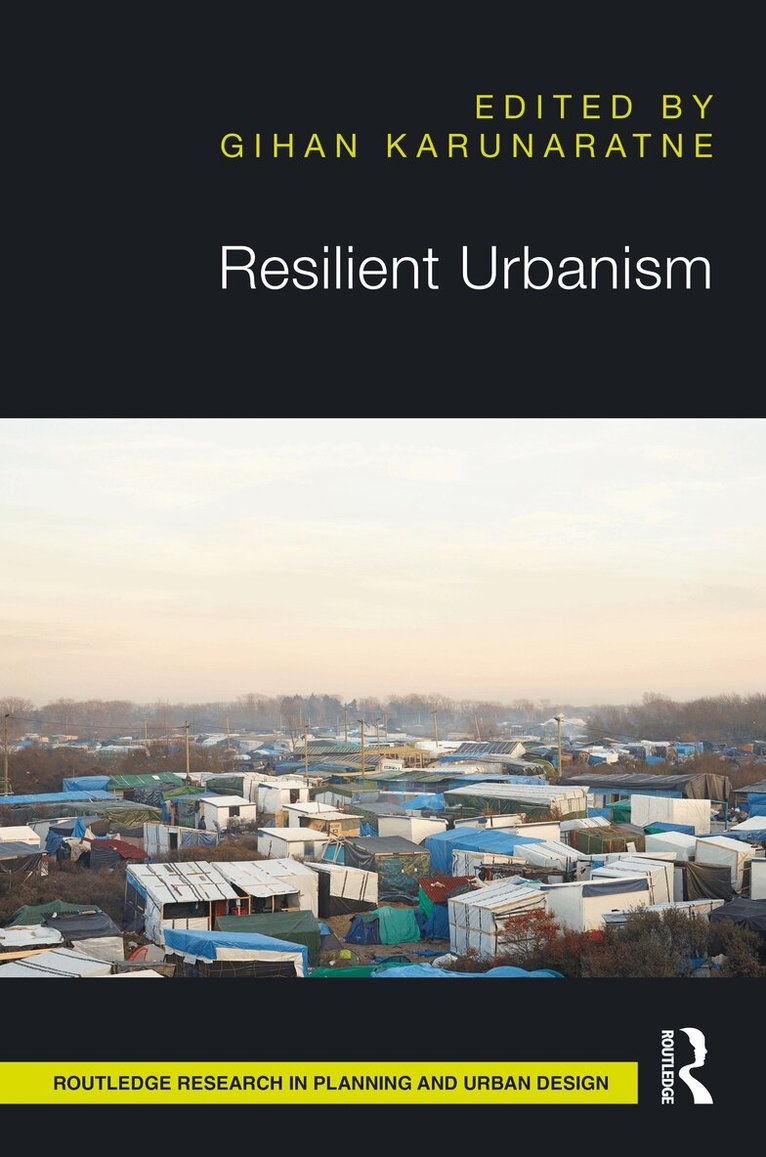
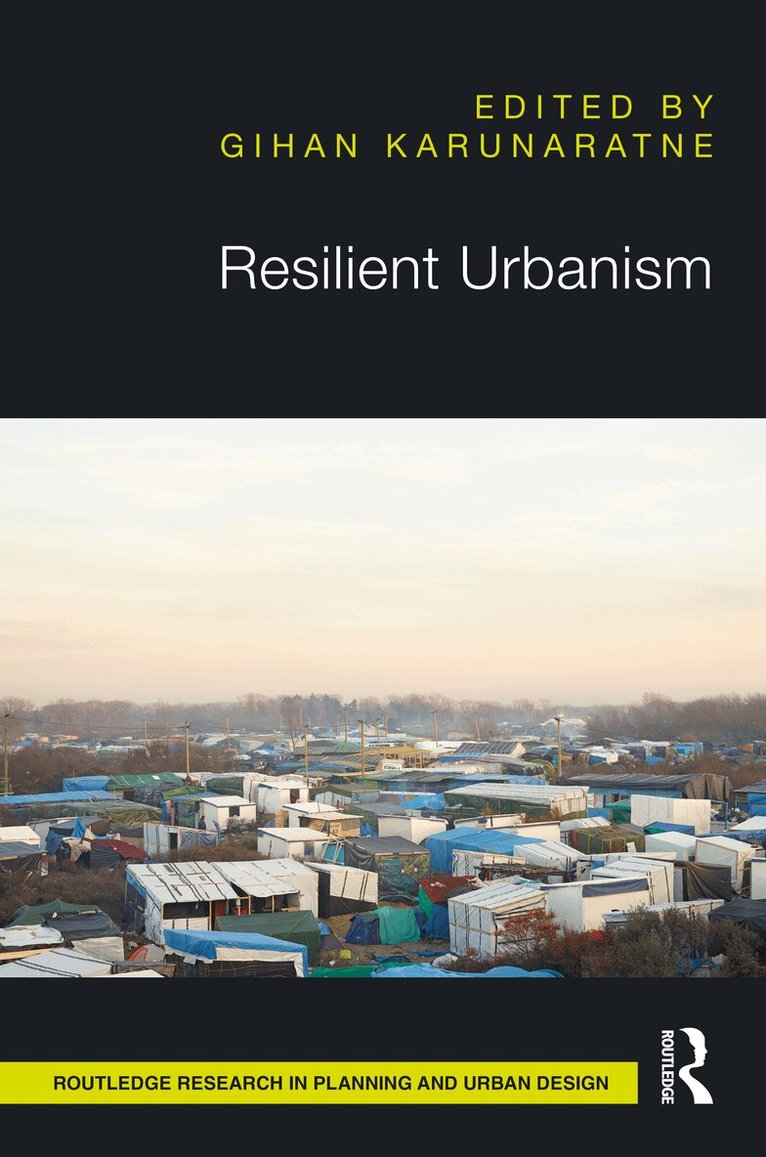
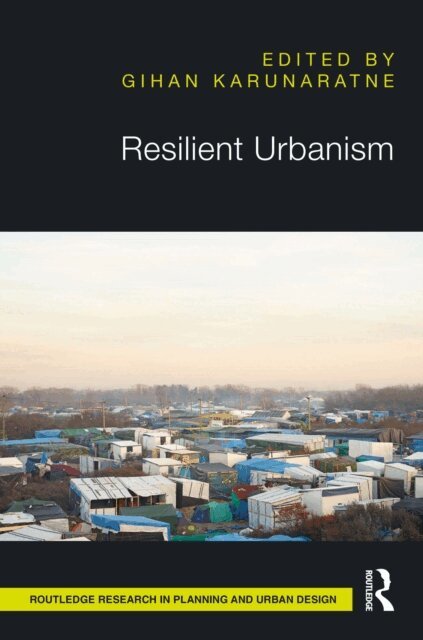
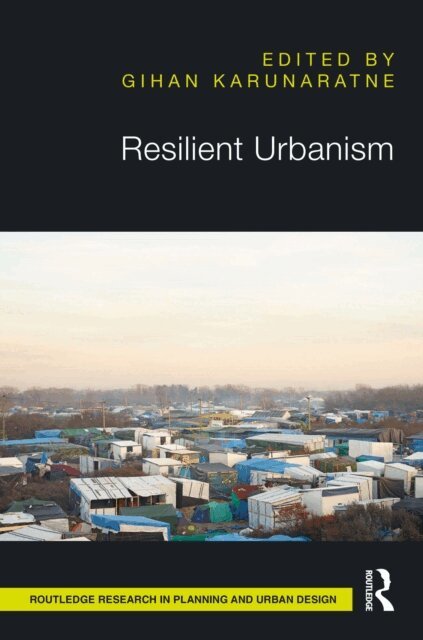
As urban populations grow unprecedentedly, cities worldwide face pressures from rapid expansion, climate change, and social inequalities. Resilient Urbanism critically examines how cities, towns, and informal settlements adapt to these multifaceted challenges, exploring urban resilience in the 21st century.This volume investigates resilience across a variety of urban contexts, from megacities in the Global South to suburban and coastal regions, through interdisciplinary essays. The contributors examine how urban communities confront crises, navigate urbanization, adapt to climate change, and respond to socioeconomic transformations using innovative and, at times, unconventional strategies. Case studies highlight the lived experiences of urban dwellers, from informal settlements in Maputo, Rio de Janeiro, and Hanoi to the challenges of achieving energy efficiency in Buenos Aires.By interrogating dominant discourses on urban resilience, Resilient Urbanism offers a reimagined perspective on how cities and their inhabitants address uncertainty and change. It emphasizes the everyday practices of urban residents and explores the sociopolitical dynamics of urbanization, presenting resilience not merely as a theoretical framework but as a lived, evolving process. This work sheds light on how cities withstand crises and actively reshape themselves in response to these disruptions.This volume is an essential resource for scholars, urban planners, policymakers, and professionals concerned with the future of cities. It underscores that urban resilience is not just a theoretical concept but a vital imperative for navigating the complexities of a rapidly changing global landscape.
2 159 kr
Skickas inom 10-15 vardagar
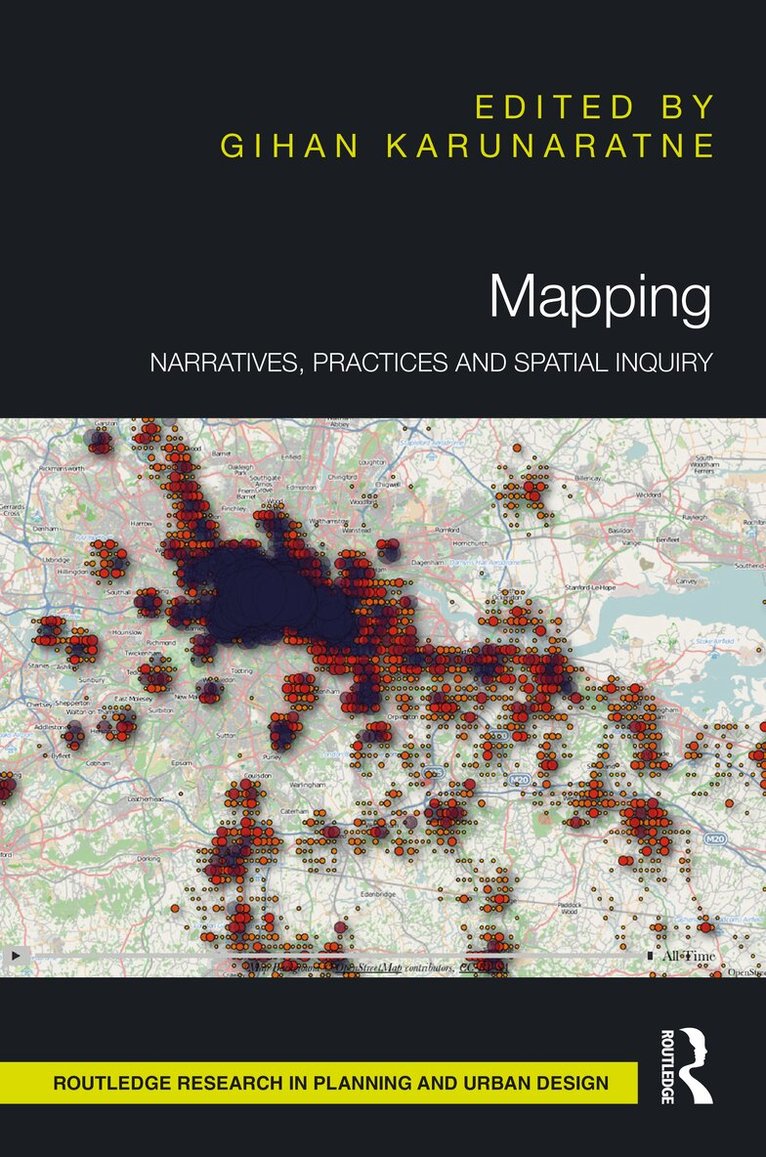
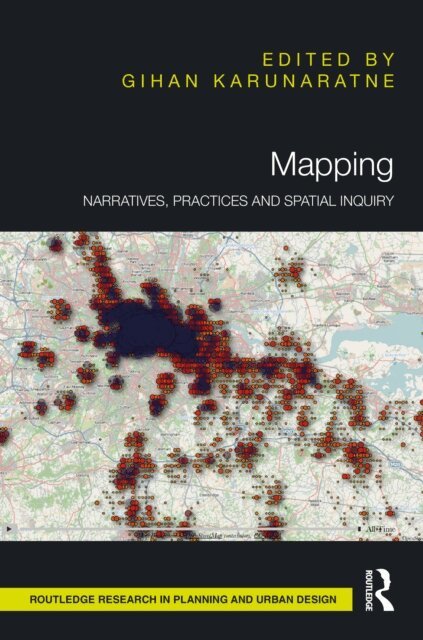
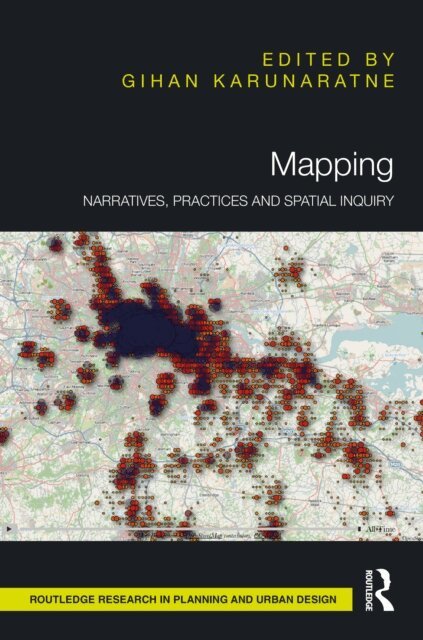
Mapping has evolved beyond navigation into a method for interpreting spatial, ephemeral, and sociopolitical dimensions of contemporary life. This volume explores how cartographic practices are being reimagined across disciplines to understand and reconfigure urban space.The chapters examine mapping as both representational and generative, spanning participatory mapping in informal settlements, film-based documentation of marginalised geographies, embodied cartographies, and data-driven analysis. Organised into five parts, “Representation,” “Critical Cartographies,” “Mapping Belonging,” “Performative Cartographies,” and “Data Mapping”, the volume highlights methodological and layered dimensions of contemporary mapping. By interrogating traditional cartography, the book emphasises maps’ role in constructing social realities and navigating contested urban terrains. Contributors demonstrate mapping as an engagement practice that reveals hidden geographies, amplifies marginal voices, and reimagines spaces.This volume challenges readers to reconsider mapping as an interdisciplinary practice and mode of inquiry that can transform our understanding of complex environments and social dynamics. It will be of interest to researchers and students of urban design, architecture, planning, human geography, politics and sociology.