Giles Hudson – författare
Visar alla böcker från författaren Giles Hudson. Handla med fri frakt och snabb leverans.
2 produkter
2 produkter
Inbunden, Engelska, 2012
637 kr
Skickas inom 5-8 vardagar
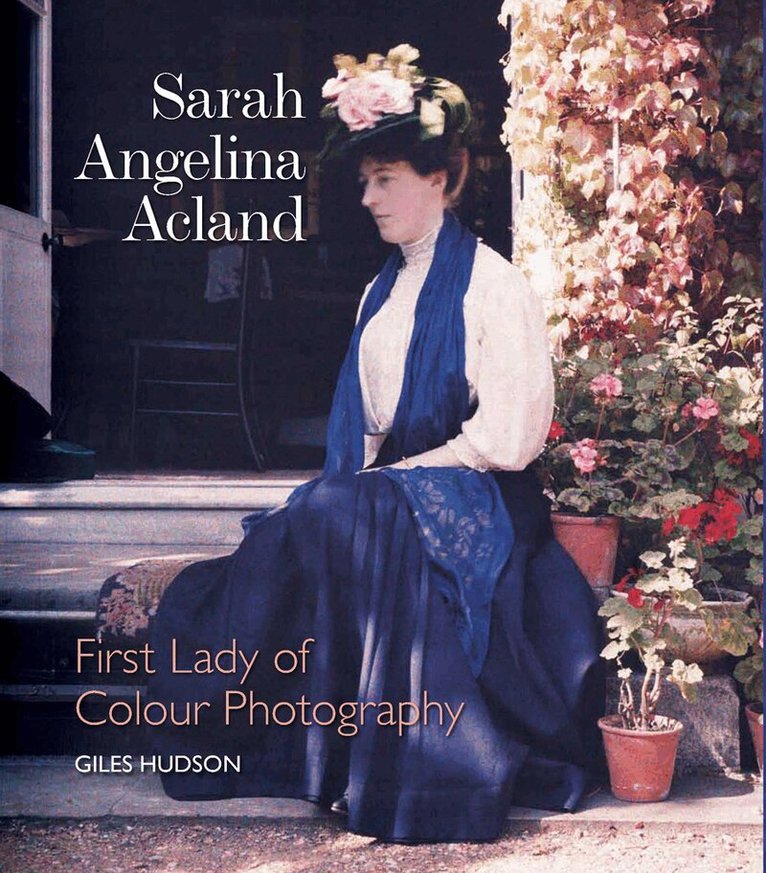
Sarah Angelina Acland (1849-1930) is one of the most important photographers of the late Victorian and early Edwardian periods. Daughter of the Regius Professor of Medicine at Oxford, she was photographed by Lewis Carroll as a child, along with her close friend Ina Liddell, sister of Alice of Wonderland fame. The critic John Ruskin taught her art and she also knew many of the Pre-Raphaelites, holding Rossetti's palette for him as he painted the Oxford Union murals. At the age of nineteen she met the photographer Julia Margaret Cameron, whose influence is evident in her early work. Following in the footsteps of Cameron and Carroll Miss Acland first came to attention as a portraitist, photographing the illustrious visitors to her Oxford home. In 1899 she then turned to the challenge of colour photography, becoming, through work with the 'Sanger Shepherd process', the leading colour photographer of the day. Her colour photographs were regarded as the finest that had ever been seen by her contemporaries, several years before the release of the Lumière Autochrome system, which she also practised. This volume provides an introduction to Miss Acland's photography, illustrating more than 200 examples of her work, from portraits to picturesque views of the landscape and gardens of Madeira. Some fifty specimens of the photographic art and science of her peers from Bodleian collections are also reproduced for the first time, including four unrecorded child portraits by Carroll. Detailed descriptions accompany the images, explaining their interest and significance. The photographs not only shed important light on the history of photography in the period, but also offer a fascinating insight into the lives of a pre-eminent English family and their circle of friends.
Häftad, Engelska, 2025
440 kr
Skickas inom 5-8 vardagar
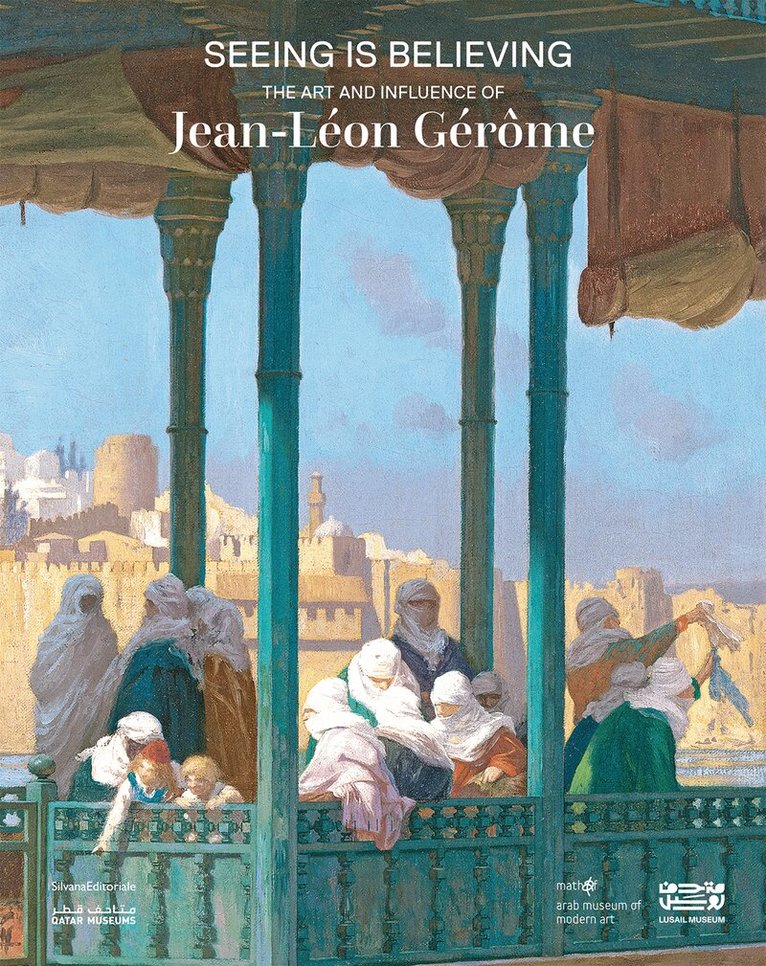
The catalogue is dedicated to one of the most celebrated Orientalist artists, the renowned French painter and sculptor, Jean-Léon Gérôme (1824–1904), on the occasion of the 200th anniversary of his birth.Born in 1824 in the small city of Vesoul in eastern France to a family of goldsmiths, Gérôme lived and worked through most of the long 19th century before his passing in 1904, becoming one of the best recognised and distinguished academic painters of the Second Empire (1852–1870).The first section, curated by Emily Weeks, delves into the biography of the artist, as well as his painting techniques, and raises critical questions about the reception of Gérôme’s art in different periods and circles. The second section, curated by Giles Hudson, explores the pivotal role of photography in Gérôme’s work, examining how it both facilitated his artistic process and contributed to his widespread acclaim. The third section, curated by Sara Raza, brings into the contemporary realm, showcasing artworks that respond to Gérôme’s oeuvre in diverse and thought-provoking ways.The book, published on the occasion of a major exhibition hosted at the Qatar Museums in Doha, saw the collaboration of two institutions, Mathaf: Arab Museum of Modern Art and Lusail Museum. Through this curatorial collaboration, the two museums were able to unite artworks from their collections and international institutions such as the Islamic Arts Museum in Malaysia, the Metropolitan Museum of Art in the United States, and the Musée d’Orsay in France, as well as numerous private collectors.