
Giovanni Grevi – författare
Visar alla böcker från författaren . Handla med fri frakt och snabb leverans.
2 produkter
2 produkter

1 642 kr
Skickas
The global balance of power has been shifting throughout the past decade and, faced with a changing security landscape, more countries across the NATO alliance and around the world have been compelled to reassess their defense and security strategies.This book, NATO and the South: A Tale of Three Futures, presents a report based on a study conducted in the framework of a NATO SPS Multi-Year Project and designed to assess and explore key variables likely to impact the political environment of NATO’s southern neighborhood over the coming years. The book reiterates the importance of a ‘consistent, clear and coherent’ approach to the South with the aim of ensuring that NATO remains ready, strong, and united for a new era of increased global competition. It outlines possible sources of change and introduces additional perspectives, exploring ways in which the Alliance can continue to adapt. Conflict spillover from fragile or failing states, instability and terrorism in the Sahel and Iraq, transnational terrorist groups such as Daesh and Al Qaeda and illegal trafficking of small arms and light weapons are all covered, as are the deteriorating security situation in the Sahel, the growing terrorist threat, and the instability of several countries in the area which constitute serious concerns for the alliance. The book and its recommendations provide a timely contribution to the reflection surrounding the development of the new NATO Strategic Concept in the context of preparations for the Madrid Summit, providing a useful basis to inform decision-makers from NATO member and partner countries.
Häftad, Engelska, 2023
367 kr
Skickas inom 5-8 vardagar
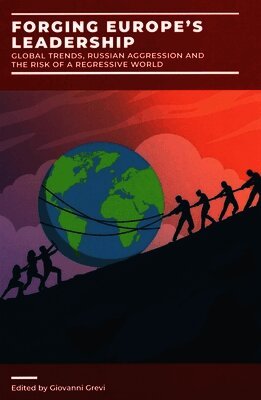
The world has been splintered by geopolitics and yet is still bound by inter dependence. As competition between the world's great powers surges, multiple trends point towards the collapse of the international order. Russia's aggression against Ukraine marks a tipping point, potentially turning an already contested world into one of lasting regression on the political, security, economic, social and environmental fronts. While this scenario is not inevitable, it will take determined leadership to ward it off. This book argues that the European Union can, in cooperation with others, play a crucial role in averting a regressive world. However, doing so will require a decisive change of gear: deepening European integration while pursuing EU enlargement, enhancing all dimensions of Europe's power, and shifting from crisis management to delivering structural solutions to systemic challenges.