Gísli Sigurdsson – författare
Visar alla böcker från författaren Gísli Sigurdsson. Handla med fri frakt och snabb leverans.
2 produkter
2 produkter
139 kr
Skickas inom 5-8 vardagar
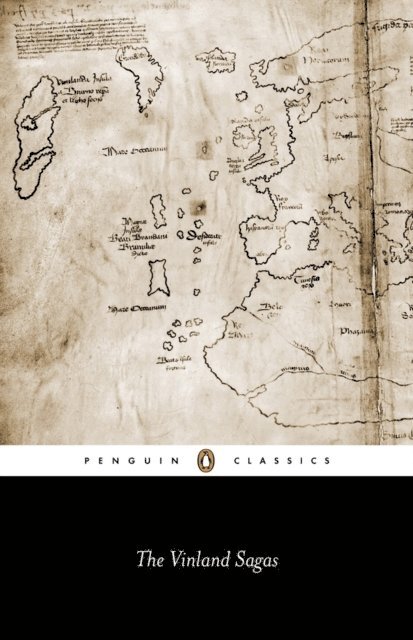
The Saga of the Greenlanders and Eirik the Red’s Saga contain the first ever descriptions of North America, a bountiful land of grapes and vines, discovered by Vikings five centuries before Christopher Columbus. Written down in the early thirteenth century, they recount the Icelandic settlement of Greenland by Eirik the Red, the chance discovery by seafaring adventurers of a mysterious new land, and Eirik’s son Leif the Lucky’s perilous voyages to explore it. Wrecked by storms, stricken by disease and plagued by navigational mishaps, some survived the North Atlantic to pass down this compelling tale of the first Europeans to talk with, trade with, and war with the Native Americans.
1 594 kr
Kommande
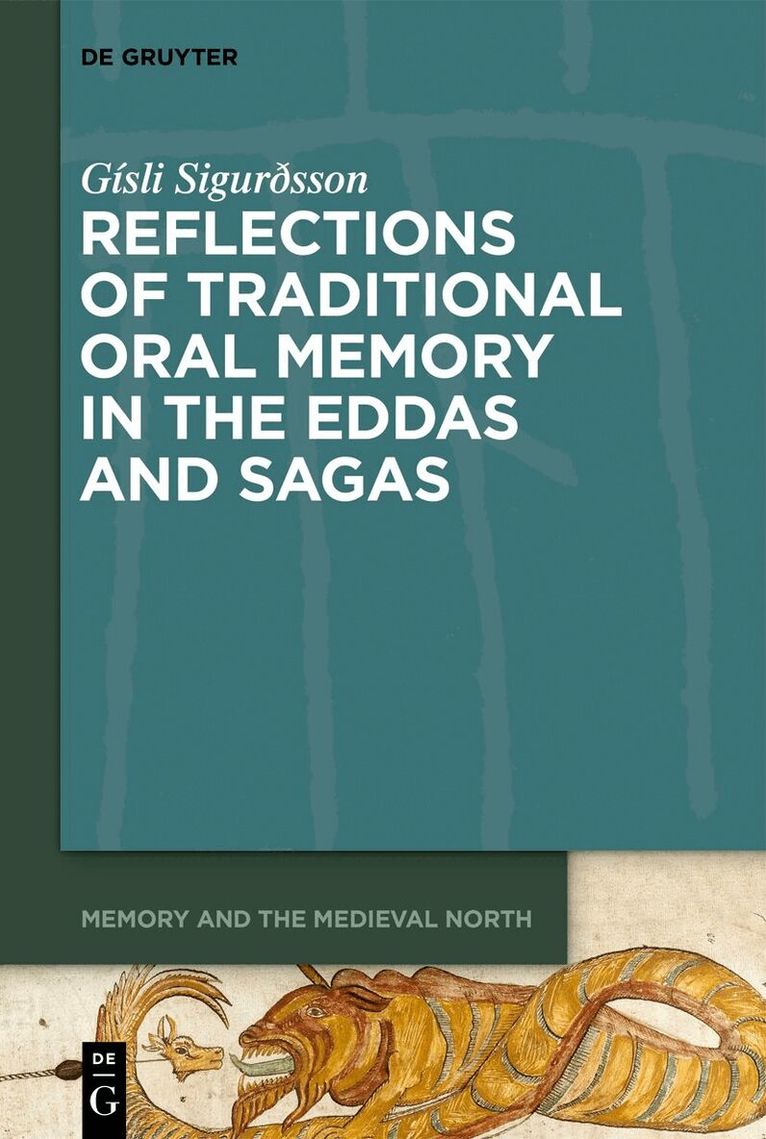
The Eddas and Sagas of medieval Iceland are remarkable literary achievements, reflecting both the imaginative power and the memory practices of the culture that produced them. Written in various genres and narrative styles, these texts combine learned ideas of their time with traditional storytelling methods. They provide a vivid, often realistic depiction of the previous two to three centuries, gradually moving into the legendary and mythological as stories reach further back in time or into more distant realms. Understanding these texts as rooted in traditional oral memory—alongside the influences of medieval book culture—is essential to fully appreciating their form, purpose, and significance.This book explores how Icelandic society remembered its past and environment, and how those memory practices shaped the literary culture. It examines what is unique about this literature, how the introduction of book culture transformed storytelling, and how written texts both preserved tradition and created new avenues for creativity and social prestige. The origins of Icelandic literary culture are traced to Norway, Ireland, and the British Isles, showing how intercultural exchange enriched narrative forms and themes.Key texts, including Vǫluspá and Njáls saga, are analyzed to reveal how authors drew on both oral tradition and learned knowledge. The corpus of the Sagas of Icelanders demonstrates how oral memory shaped storytelling, mediating ideas about the natural world, history, and social norms. Snorri Sturluson’s Edda is highlighted as a sophisticated example of how writing was used to teach traditional mythology, using the sky as a mnemonic device for young poets learning the foundations of professional court poetry.The book also examines the individuals who actively transformed oral tradition into literary culture. Snorri Sturluson and his nephew Sturla Þórðarson used the art of writing to elevate their social status while reshaping how their contemporaries—and later generations—understood the past. Their work laid the foundation for a new literary genre: the Sagas of Icelanders. Through their innovations, oral tradition was preserved, transformed, and made accessible to an increasingly literate audience, blending memory, history, and myth in unprecedented ways.By combining literary analysis, historical context, and theories of memory, this book offers a fresh understanding of Icelandic medieval literature. It presents the Eddas and Sagas not merely as texts to be studied for their stories or history, but as dynamic cultural artifacts that illuminate the transition from oral to written culture, the negotiation of social power, and the creativity of individual authors working within and beyond their tradition. For scholars and general readers alike, it provides new insights into how medieval Icelanders remembered, narrated, and imagined their world.