Giusi Russo – författare
Visar alla böcker från författaren Giusi Russo. Handla med fri frakt och snabb leverans.
5 produkter
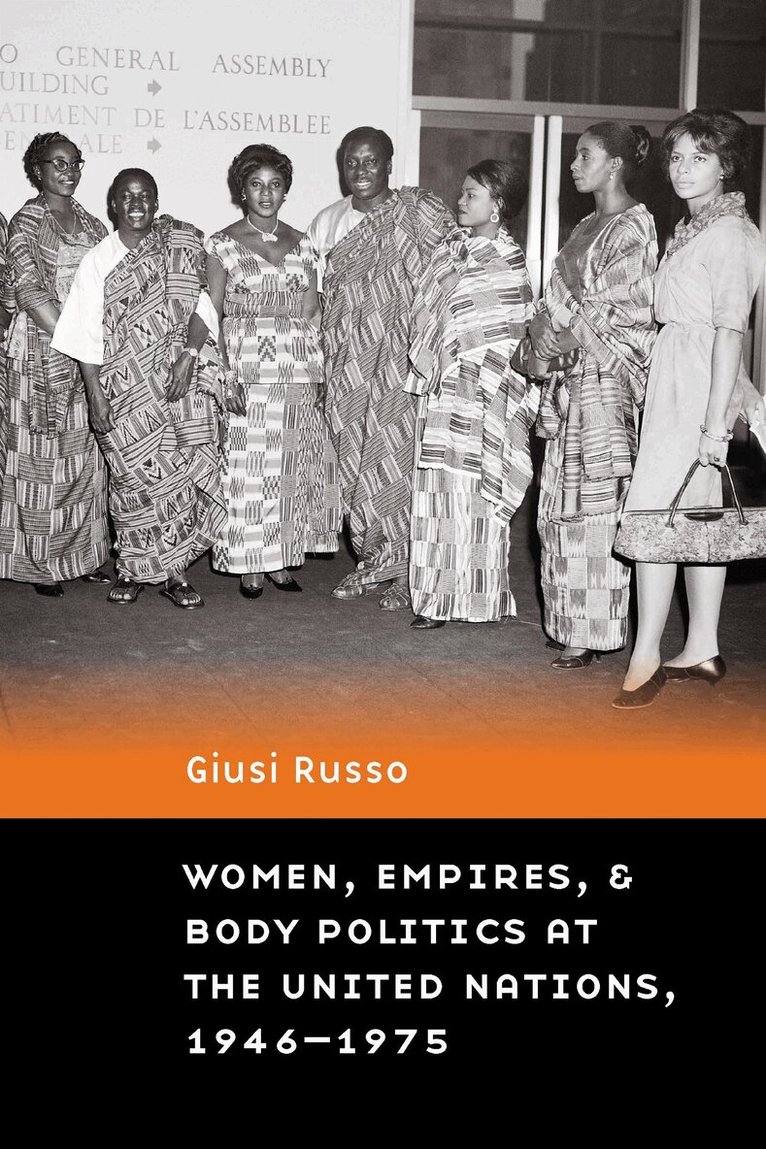
Women, Empires, and Body Politics at the United Nations, 1946–1975
Av Giusi Russo
Inbunden, 2023
1124 kr
Lägg i varukorg
Women, Empires, and Body Politics at the United Nations, 1946–1975 tells the story of how women’s bodies were at the center of the international politics of women’s rights in the postwar period. Giusi Russo focuses on the United Nation Commission on the Status of Women and its multiple interactions …
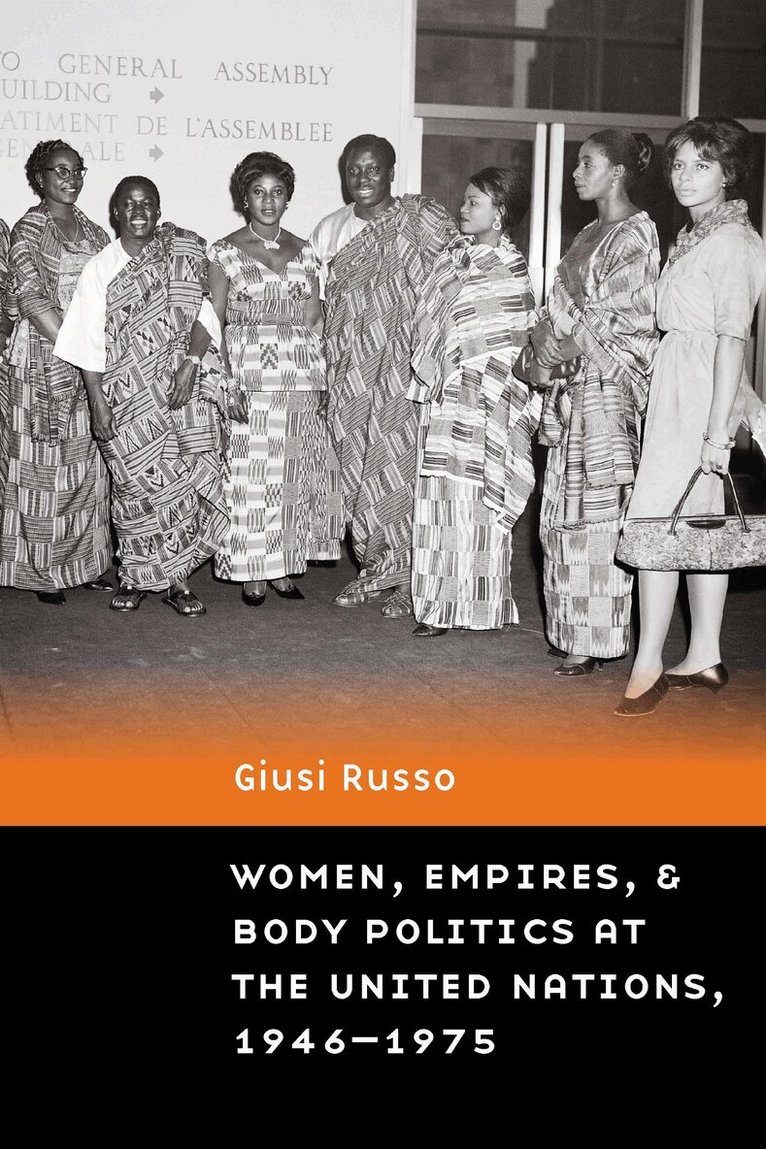
Women, Empires, and Body Politics at the United Nations, 1946–1975
Av Giusi Russo
Häftad, 2023
332 kr
Lägg i varukorg
Women, Empires, and Body Politics at the United Nations, 1946–1975 tells the story of how women’s bodies were at the center of the international politics of women’s rights in the postwar period. Giusi Russo focuses on the United Nation Commission on the Status of Women and its multiple interactions …
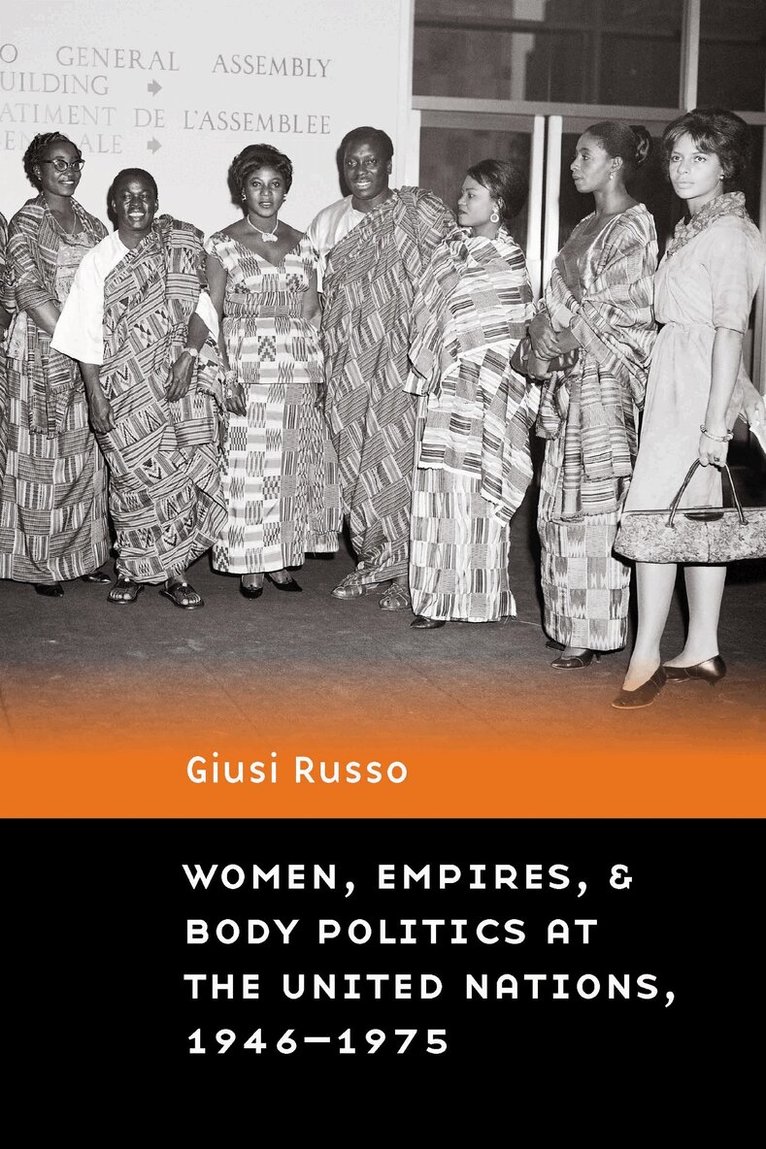
Women, Empires, and Body Politics at the United Nations, 1946–1975
Av Giusi Russo
E-bok, 2023
303 kr
Lägg i varukorg
Women, Empires, and Body Politics at the United Nations, 1946–1975 tells the story of how women’s bodies were at the center of the international politics of women’s rights in the postwar period. Giusi Russo focuses on the United Nation Commission on the Status of Women and its multiple interactions …
Visions of Third Worldism
Southern and Decolonial Morphologies of International Solidarity
Inbunden, 2026
1463 kr
Lägg i varukorg
This book provides a new, more complex definition of Third Worldism by exploring the dynamic collaborations between Europe and the Global South in response to colonialism. It focuses on how transnational initiatives surpassed Eurocentric limitations, highlighting Europe's role in decolonization …
Visions of Third Worldism
Southern and Decolonial Morphologies of International Solidarity
E-bok, 2026
1838 kr
Lägg i varukorg
This book provides a new, more complex definition of Third Worldism by exploring the dynamic collaborations between Europe and the Global South in response to colonialism. It focuses on how transnational initiatives surpassed Eurocentric limitations, highlighting Europe's role in decolonization …