Glen S. Aikenhead - Böcker
Visar alla böcker från författaren Glen S. Aikenhead. Handla med fri frakt och snabb leverans.
2 produkter
2 produkter
337 kr
Skickas inom 7-10 vardagar
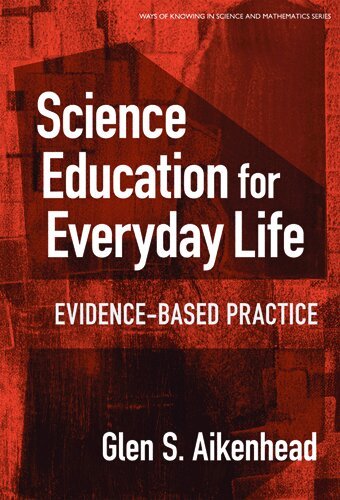
This book provides a comprehensive overview of humanistic approaches to science— approaches that connect students to broader human concerns in their everyday life and culture. Glen Aikenhead, an expert in the field of culturally sensitive science education, summarizes major worldwide historical findings, focuses on present thinking, and offers evidence in support of classroom practice. This highly accessible text covers curriculum policy, teaching materials, teacher orientations and teacher education, student learning, culture studies, and future research.Featuring important alternative views on the teaching of science, this text:Describes an approach to teaching science (grades 6-12) that animates students’ self-identities, encouraging their future contributions to society as savvy citizens and productive workers.Addresses the tension between educationally sound ideas and the political realities of schools.Presents evidence-based challenges to traditional thinking about school science, illuminating many productive directions for future research.
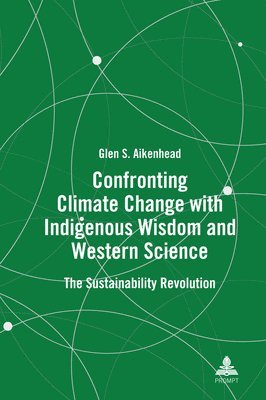
Confronting Climate Change with Indigenous Wisdom and Western Science
The Sustainability Revolution
Inbunden, Engelska, 2024
449 kr
Skickas inom 5-8 vardagar
This book is about an alternative path to mitigating the climate-change crisis. It explains why today’s status-quo approaches are not working, mainly due to limitations in science itself and to individual citizens’ prevailing mindset: “I am the centre of the universe.” The two main features of this alternative pathway are holistic reasoning and sustainability. These immediately lead one to the conclusion that Indigenous people who follow their culture are a major part of avoiding a serious tipping point in the future. The book calls for an organized collaboration between working groups of Indigenous and Eurocentric non-Indigenous workers.The book describes how science interacts with society and how it operates within its own ranks. Both knowledge clusters help inform readers making a decision on to trust or not to trust information they hear from a scientist, or on social media.