Glen S. Close – författare
Visar alla böcker från författaren Glen S. Close. Handla med fri frakt och snabb leverans.
7 produkter
7 produkter
Häftad, Engelska, 2006
672 kr
Skickas inom 5-8 vardagar
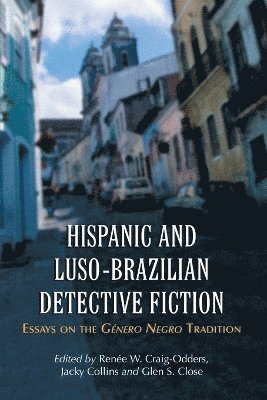
The image of the hard-boiled private investigator from gritty pulp fiction, a terse and mysterious figure, has become increasingly universal as the detective novel crosses more and more borders. A booming genre in Latin America, Spain and other Hispanic cultures, detective fiction has transcended the limitations of its influences. Hispanic authors relatively new to the genre have published novels and series popular with the public, while a number of well-known writers have adapted the genre to reflect the concurrent globalization of modern society and the crimes within it.This volume presents a compilation of 11 critical essays on genero negro--contemporary detective fiction in the Hispanic and Luso-Brazilian canon. Surveying the last twenty years, the text analyzes emerging trends in this rapidly evolving genre, as well as the mutations and innovations taking place within the style. The first section of the book is dedicated to the detective fiction of Spain and Portugal. The second section surveys works from Latin America and the United States, where topics touch on universal subjects like crime, identity and feminism.

E-bok
PDF, Engelska, 2026858 kr
Läs direkt efter köp
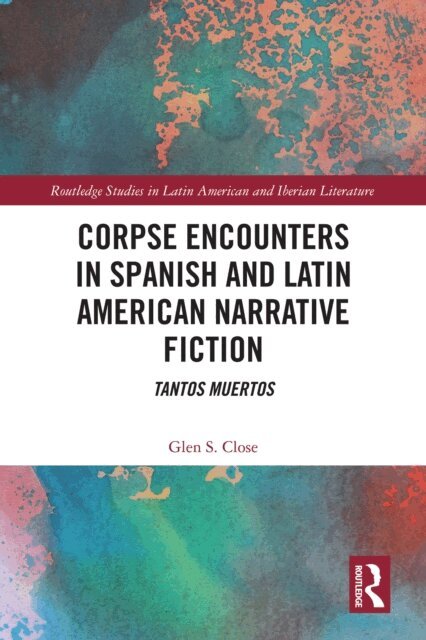
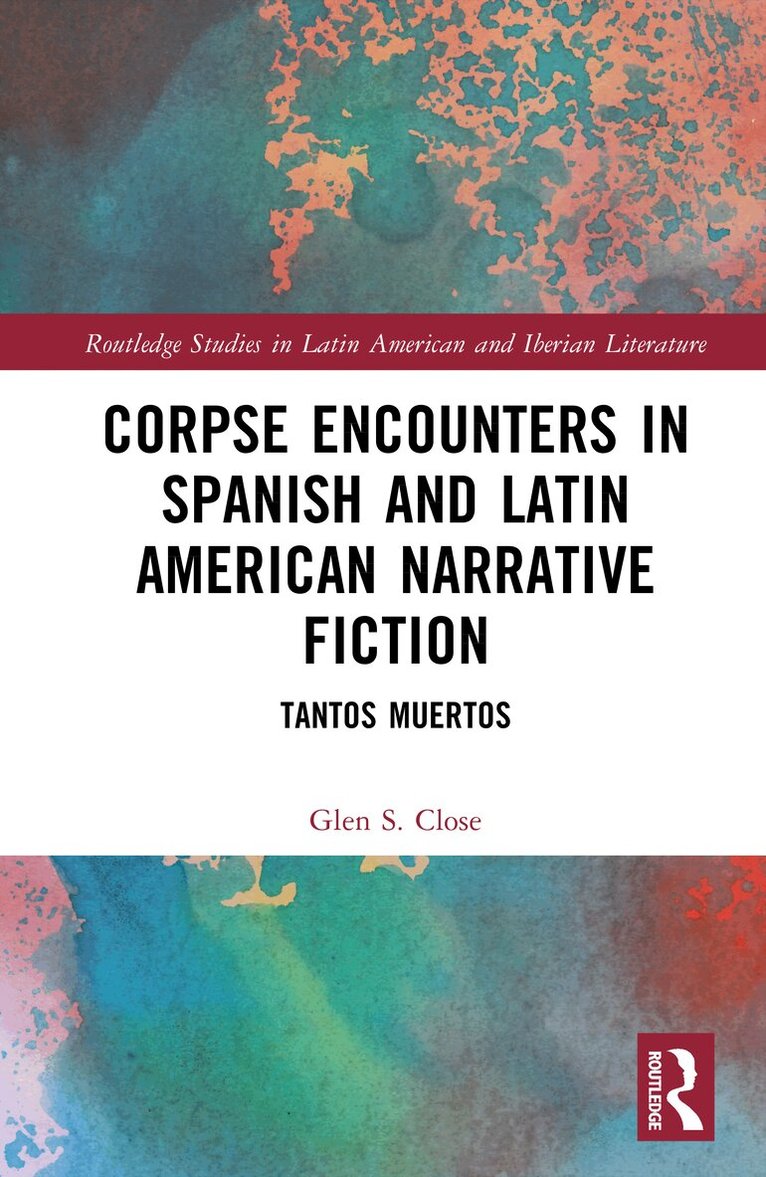
Corpse Encounters in Spanish and Latin American Narrative Fiction: Tantos muertos takes a historically and geographically broad view to argue for the central significance of corpses in modern and contemporary Spanish and Latin American narrative fiction.It offers critical readings of 20 novels and short stories from nine countries to show how modern and contemporary prose fiction addresses the human death crisis triggered by corpse encounters. It demonstrates that literary corpse encounters register histories of social violence that include both political repression and the current epidemic of organized criminality in Latin America. The corpse is shown to function in four primary ways: as an index of historical violence, as a figure of a social body rent by dissolutive forces, as a metaliterary figure of the narrative text itself, and as evidence of a necroecological sensibility shaped by post-Christian and posthumanist views of death.The book traces the rise of this necroecological sensibility and proposes that the autopsied corpse emerges as a prominent figure for the literary text itself, as authors liken writing and narration to post-autopsy stitching. Authors studied include Pio Baroja, Rafael Chirbes, Gabriel Garcia Marquez, Manuel Puig and Cristina Rivera Garza.
858 kr
Läs direkt efter köp
Corpse Encounters in Spanish and Latin American Narrative Fiction: Tantos muertos takes a historically and geographically broad view to argue for the central significance of corpses in modern and contemporary Spanish and Latin American narrative fiction.It offers critical readings of 20 novels and short stories from nine countries to show how modern and contemporary prose fiction addresses the human death crisis triggered by corpse encounters. It demonstrates that literary corpse encounters register histories of social violence that include both political repression and the current epidemic of organized criminality in Latin America. The corpse is shown to function in four primary ways: as an index of historical violence, as a figure of a social body rent by dissolutive forces, as a metaliterary figure of the narrative text itself, and as evidence of a necroecological sensibility shaped by post-Christian and posthumanist views of death.The book traces the rise of this necroecological sensibility and proposes that the autopsied corpse emerges as a prominent figure for the literary text itself, as authors liken writing and narration to post-autopsy stitching. Authors studied include Pio Baroja, Rafael Chirbes, Gabriel Garcia Marquez, Manuel Puig and Cristina Rivera Garza.
Inbunden, Engelska, 2026
2 512 kr
Skickas inom 10-15 vardagar
Corpse Encounters in Spanish and Latin American Narrative Fiction: Tantos muertos takes a historically and geographically broad view to argue for the central significance of corpses in modern and contemporary Spanish and Latin American narrative fiction.It offers critical readings of 20 novels and short stories from nine countries to show how modern and contemporary prose fiction addresses the human death crisis triggered by corpse encounters. It demonstrates that literary corpse encounters register histories of social violence that include both political repression and the current epidemic of organized criminality in Latin America. The corpse is shown to function in four primary ways: as an index of historical violence, as a figure of a social body rent by dissolutive forces, as a metaliterary figure of the narrative text itself, and as evidence of a necroecological sensibility shaped by post-Christian and posthumanist views of death.The book traces the rise of this necroecological sensibility and proposes that the autopsied corpse emerges as a prominent figure for the literary text itself, as authors liken writing and narration to post-autopsy stitching. Authors studied include Pío Baroja, Rafael Chirbes, Gabriel García Márquez, Manuel Puig and Cristina Rivera Garza.
Häftad, Engelska, 2019
677 kr
Skickas inom 10-15 vardagar
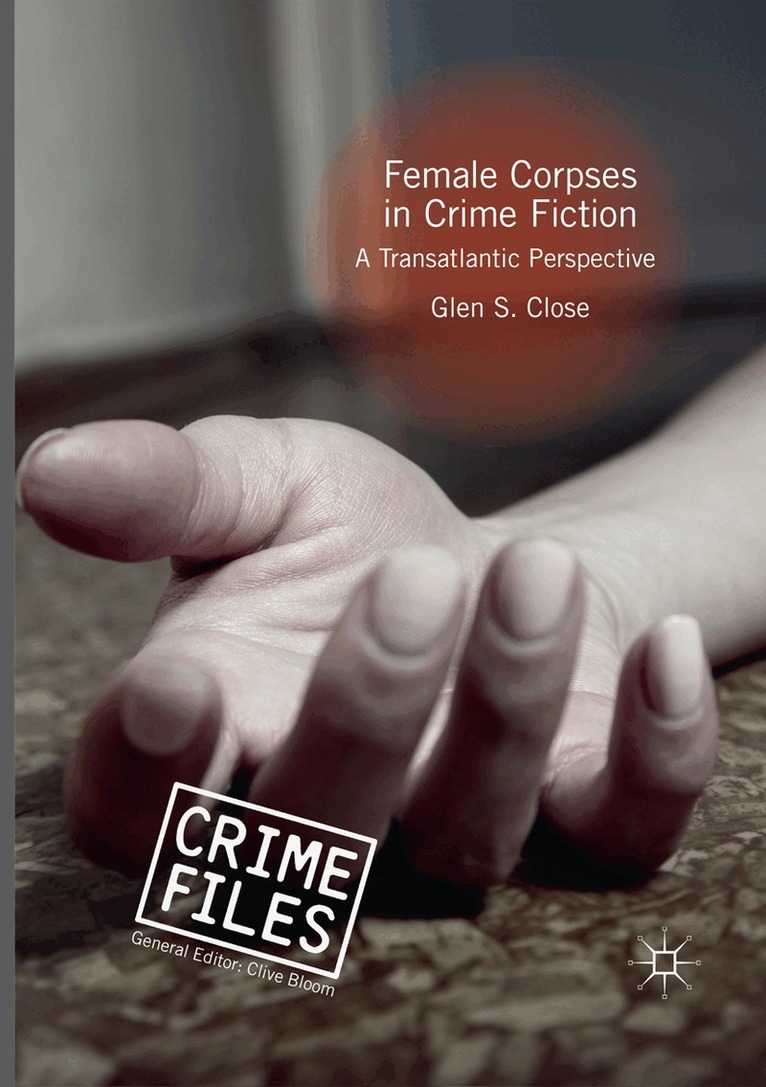
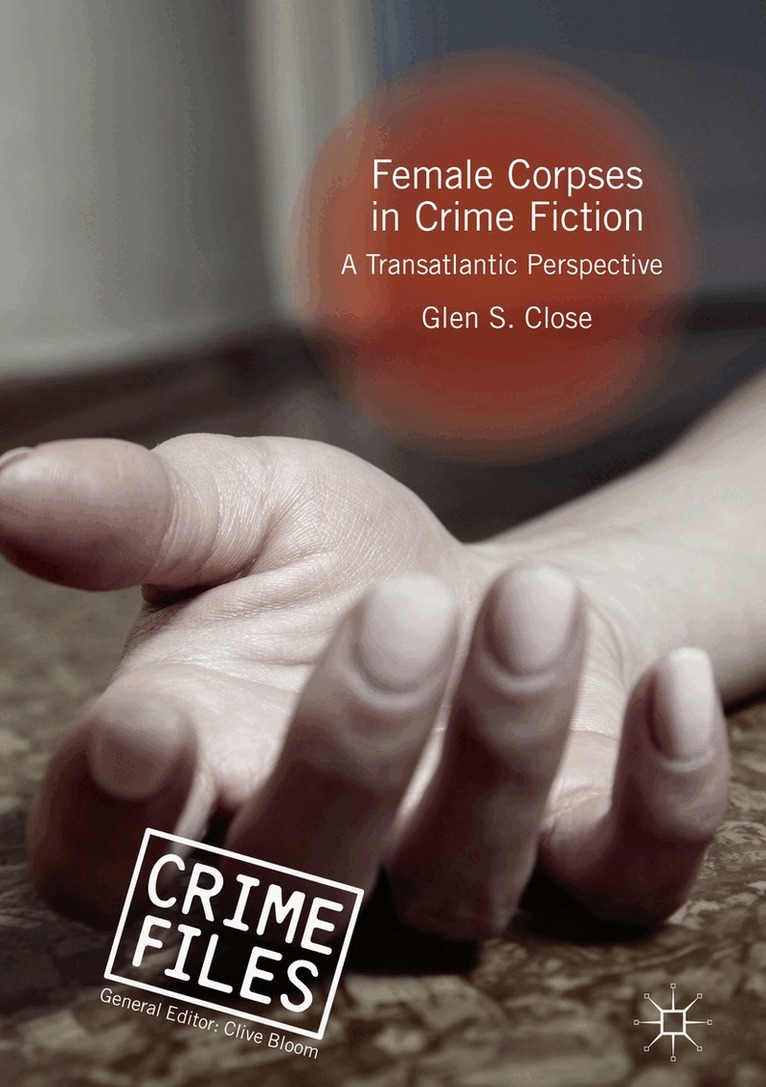
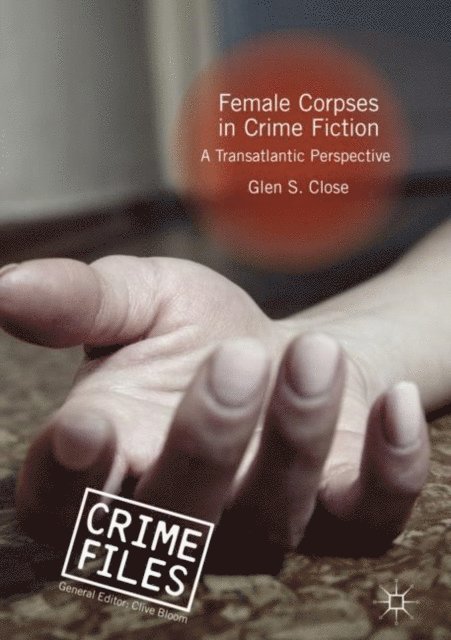
This book examines the central significance of sexualized female corpses in modern and contemporary Hispanic and Anglophone crime fiction. Beginning with the foundational detective fictions of the nineteenth century, it draws from diverse subgenres to describe a transatlantic tradition of necropornography characterized by lascivious interest in female cadavers, dissection, morgues, femicide, and snuff movies. Hard-boiled and police procedural classics from the U.S. and the U.K. are juxtaposed with texts by established Spanish and Spanish American genre masters and with obscure works that prefigure the contemporary transmedial boom in corpse-centered fictions. The rhetoric and aesthetics of necropornographic crime fiction are related to those of popular crime journalism and forensic-science television dramas. This study argues that crime fiction has long fixated disproportionately on the corpses of beautiful young white women and continues to treat their deaths and autopsies as occasions for male visual pleasure, male subjective self-affirmation and male homosocial bonding.
Inbunden, Engelska, 2018
947 kr
Skickas inom 10-15 vardagar
This book examines the central significance of sexualized female corpses in modern and contemporary Hispanic and Anglophone crime fiction. Beginning with the foundational detective fictions of the nineteenth century, it draws from diverse subgenres to describe a transatlantic tradition of necropornography characterized by lascivious interest in female cadavers, dissection, morgues, femicide, and snuff movies. Hard-boiled and police procedural classics from the U.S. and the U.K. are juxtaposed with texts by established Spanish and Spanish American genre masters and with obscure works that prefigure the contemporary transmedial boom in corpse-centered fictions. The rhetoric and aesthetics of necropornographic crime fiction are related to those of popular crime journalism and forensic-science television dramas. This study argues that crime fiction has long fixated disproportionately on the corpses of beautiful young white women and continues to treat their deaths and autopsies as occasions for male visual pleasure, male subjective self-affirmation and male homosocial bonding.
E-bok
Engelska, 2018836 kr
Läs direkt efter köp
This book examines the central significance of sexualized female corpses in modern and contemporary Hispanic and Anglophone crime fiction. Beginning with the foundational detective fictions of the nineteenth century, it draws from diverse subgenres to describe a transatlantic tradition of necropornography characterized by lascivious interest in female cadavers, dissection, morgues, femicide, and snuff movies. Hard-boiled and police procedural classics from the U.S. and the U.K. are juxtaposed with texts by established Spanish and Spanish American genre masters and with obscure works that prefigure the contemporary transmedial boom in corpse-centered fictions. The rhetoric and aesthetics of necropornographic crime fiction are related to those of popular crime journalism and forensic-science television dramas. This study argues that crime fiction has long fixated disproportionately on the corpses of beautiful young white women and continues to treat their deaths and autopsies as occasions for male visual pleasure, male subjective self-affirmation and male homosocial bonding.